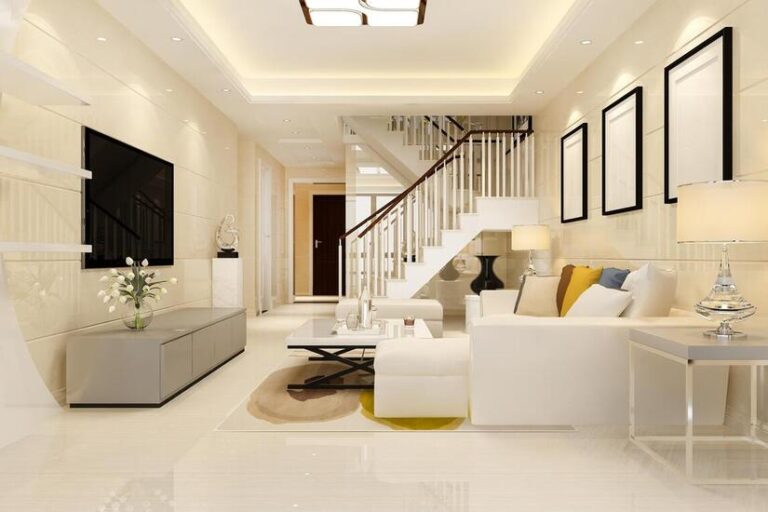

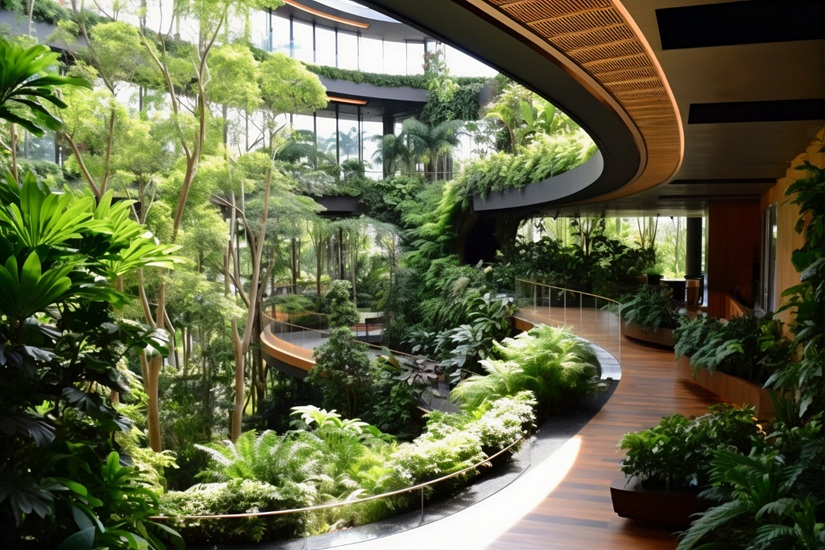
Walking into a room that feels almost instantly calm is a pretty safe bet to be down to something other than the furniture or the wall colour.
In all likelihood, it’s more down to something quieter, a connection to the great outdoors somehow.
Maybe it’s the way the sunlight streams in across the walls, or the aroma of timber drifting through, or the gentle swaying of those leaves near a window that gets your attention.
That’s biophilic design at work, and it’s giving the whole UK homebuilding and living a bit of a shake-up.
Biophilic design isn’t just some new-fangled trend that comes from high-end architecture magazines.
It’s actually about recognising that as humans, we are hardwired to respond to the natural world in a big way, and when we start to lose that connection, our wellbeing takes a bit of a hit.
Light, planting, and the use of natural materials aren’t just some fancy decorations, they’re actually the building blocks of a healthy living space.
What Biophilic Design Really Means For Us?
The term “biophilia” was actually made up to describe exactly this, humanity’s innate need for nature. It’s why we suddenly stop to watch the waves roll in, or why a walk in the park seems to clear our minds better than the odd screen break.
When it comes to design, biophilia is all about creating buildings that respect that link, places that let a little bit of nature in, rather than shutting it out.
Too often, biophilic design gets boiled down just to the idea of “adding more plants”. While plants are a big part of it, again, they’re only one part of a much bigger picture.
Proper biophilic design weaves nature into the fabric of a space, through light, materials, textures, air flow, and even the rhythm of how we move around the place every day.
In the UK, where daylight can be a bit scarce and gardens are often tiny, that approach needs a bit of an adaptation.
It’s all about making the most of what’s around, amplifying any little moments of connection that you can get.
Whether that’s the warm glow of that morning light streaming in through a skylight, or the rough comfort of a wool rug underfoot.
Light: The Foundation You Can’t Fake
If biophilic design had just one guiding principle, it’d be: start with light. Natural light is the key to how spaces feel and how people feel inside them, it affects circadian rhythms, mood, and even how productive we are.
Artificial lighting, no matter how fancy the bulbs, can’t quite replicate the changing warmth of sunlight throughout the day.
For many UK homes, light is a luxury they can only dream of. Terraced houses, overhanging roofs, and tiny window openings often mean rooms are plunged into shadow all too early.
So designing with natural light in mind starts by thinking about the orientation of your rooms. South-facing windows get a longer dose of sunlight, while north-facing spaces need a bit more strategic planning.
A few simple tweaks can make all the difference. Hang a mirror opposite a window, and you can bounce light further into the room. Using pale, non-reflective finishes helps avoid glare while still reflecting a bit of light.
Taking down internal walls with glazed panels can not only let light through to adjacent rooms, but keep them private, too. And even swapping heavy curtains for sheer fabric can make a huge difference in how a room feels and breathes.
Where the layout allows, and it often does – installing rooflights or sun tunnels can be a game-changer, especially in kitchens or lofts that struggle to get enough light.
These features bring a bit of the sky inside, keeping you connected to the changing weather and daylight patterns, and that’s one of the simplest yet most powerful mood-boosters going.
Planting: Where Plants Are More Than Just Decor

Plants are all too often treated as some final flourish in home staging, a splash of colour in a corner.
But in biophilic design, they’re not just decorative; they’re a vital part of the mix. Living greenery brings movement, oxygen, and texture that no other material can replicate. But it’s not about just sticking a load of potted plants everywhere.
The idea is to create living systems that look natural and balanced, like a miniature ecosystem. For example, grouping plants of different heights can create a canopy effect that softens the architecture and draws your eye upwards.
Hanging plants can bridge the gap between vertical and horizontal planes, creating a flow from shelves to ceilings to floors.
UK homes, with their limited light and central heating, can be tough places to keep plants alive, especially the tropical ones.
So you’ve got to be selective. Hardy species like snake plants, peace lilies, and pothos are great for rooms that don’t get much light.
If you’ve got a kitchen or conservatory that gets a lot of sunlight, then you can go for something like a fern or an herb, and they’re useful to boot.
Designers sometimes talk about “biophilic zoning”: using plants to create different areas without using walls.
A cluster of tall foliage can divide up an open-plan living space without cutting off light or airflow. The trick is knowing when to stop, too much greenery, and it can start to feel a bit chaotic, tipping from natural to jungle.
For those of you who aren’t exactly the next Monty Don, built-in planters or self-watering systems can make looking after plants a whole lot easier.
And even if you’re short on space, just one trailing plant near a window or a tiny kitchen herb garden can make a big difference.
What’s most important is that you’ve got a bit of consistency, living greenery that changes with the seasons, quietly reminding you that your home is a living, breathing thing too.
Materials: The Texture Of Calm
Natural materials have a sneaky effect on the human nervous system. Timber grain, stone edges, and woven fibres all have these slight irregularities that our brains just can’t help but pick up on as being real & genuine.
Synthetic finishes, on the other hand, are just too perfect, they reflect light all evenly, feel smooth as silk & just plain lack the tiny imperfections that make a surface feel so real & grounding to be around.
In Britain, when it comes to picking materials for the home, practicality usually comes first, what will put up with wear & tear, what fits within the budget.
But put a bit of thought into it & you can also get a sense of what will really bring your space to life.
There’s something to be said for a floor of reclaimed oak, it’s just so warm & aged in a way that laminate will never be.
Slate from Wales or limestone from the Cotswolds is just a quiet way of bringing a bit of the landscape inside, literally, under your feet.
Soft materials play a role too, wool rugs, linen curtains, cotton throws all do their part in regulating humidity & temperature, while also softening up the acoustics.
Little upgrades can make a real difference. Swapping gloss paint for limewash or clay paint adds a bit of texture & diffuses the light more naturally.
It’s not about trying to go for that ‘rustic look’, it’s more about choosing materials that hold up over time, that can develop a bit of patina rather than just wearing out.
It’s a practical sort of beauty that just fits with the UK’s love of homes that tell their own little stories over the years.
Why It Works: The Science Of Feeling Better

This isn’t all poetry and plants. There’s growing evidence that biophilic environments reduce stress and improve cognitive performance.
Studies show that access to daylight and greenery lowers cortisol levels, steadies heart rates, and even supports recovery in healthcare settings.
The principle is simple: the human body evolved outdoors. When we spend our days in spaces cut off from natural patterns, our systems lose sync.
Biophilic design nudges that rhythm back into place. It doesn’t need to be grand architecture, even modest homes benefit when light, greenery, and texture work together.
It’s also worth noting the overlap with sustainability. Natural materials and daylight optimisation reduce reliance on artificial systems. So, well-being and environmental responsibility, rather than being separate aims, often align beautifully.
Starting Small: Real Ways To Bring Nature Home
You don’t have to rebuild your house to live more biophilically. Start by noticing where light falls, how air moves, and what materials surround you.
Replace artificial light during the day with natural light where possible. Keep sightlines open to the outdoors.
Add a few plants that suit your environment, not just your Pinterest board. Choose one natural material to prioritise, maybe timber flooring, a wool blanket, or ceramic tableware. Over time, these touches layer up to create depth and comfort.
The biggest mistake people make is thinking it’s about volume, more plants, more wood, more sunlight. It’s not. It’s about harmony. Nature rarely overdoes it, and neither should we.
Trades And Design: Where Skill Meets Nature
Biophilic design isn’t just an aesthetic movement; it’s reshaping how tradespeople and designers think about their craft.
Electricians planning lighting layouts now consider daylight patterns alongside circuitry. Joiners working with reclaimed materials need an eye for character, not perfection.
It’s here that training makes a difference. Platforms like Tradefox give tradespeople a safe space to practise complex scenarios, from lighting design to ventilation, without real-world hazards.
For anyone in the building or design trade, developing intuition about natural systems is fast becoming as essential as technical skill.
Designing For Connection, Not Perfection
At its heart, biophilic design is about humility. It’s an admission that the natural world still knows more about comfort, proportion, and beauty than we do. When we bring that wisdom indoors, we create homes that restore rather than exhaust.
There’s no fixed formula, no single “look.” One house might glow with sunlight and linen; another might lean into deep greens, stone textures, and gentle shade.
The success of biophilic design isn’t measured by trend, but by how it makes you feel when you walk through the door.
A home connected to nature doesn’t shout. It breathes.