


Plastering guides.
Backgrounds, boards and a flawless skim.
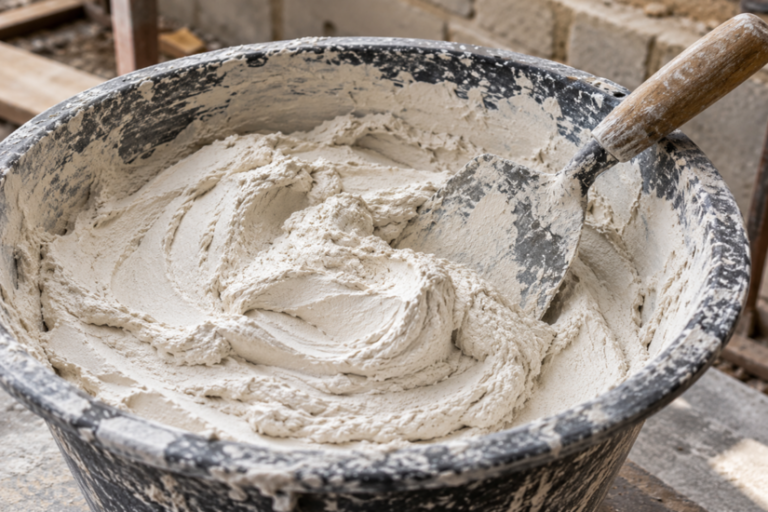
 Multi-finish plasterWhat it is and which backgrounds it suits.
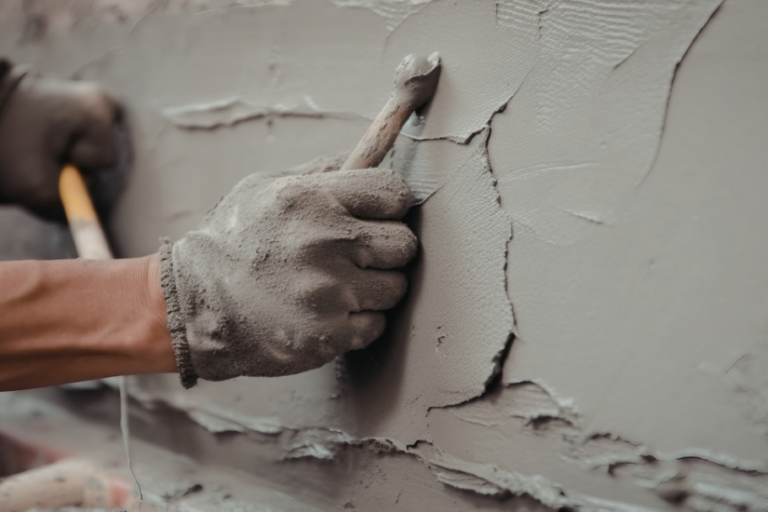 PVA before plasteringWhen it helps, when it doesn’t and the alternatives.
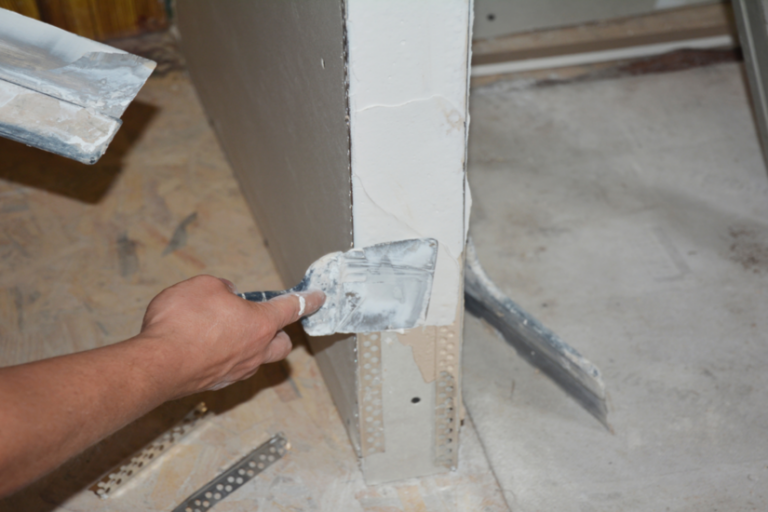 Skim coating a wallWhen a skim is the right fix and how it’s done.
Types of plaster
Preparation and plasterboard
Skimming and finishing
Problems and repairs
Calculators.
Free plastering calculators with textbook equations and the working shown.
AreasRoom wall and ceiling area less openingsOpen ›Gypsum plasterFinish plaster bags (skim, e.g. Thistle MultiFinish)Open ›Render and limeSand and cement render: cement bags and sand tonnesOpen ›PlasterboardPlasterboard sheets for an areaOpen ›Beads, coving and sundriesAngle bead and stop bead lengthsOpen ›Drying and site conditionsDrying time estimate before decoratingOpen ›
Questions.
What’s the difference between bonding and multi-finish plaster?
Bonding is an undercoat plaster for low-suction backgrounds such as smooth concrete or engineering brick. Multi-finish is a thin finishing coat that goes over undercoats or plasterboard to give a smooth surface.
What’s the difference between render and plaster?
Render is a cement- or lime-based coating designed for external walls and built to resist the weather. Gypsum plaster is for internal walls only and breaks down if it stays wet.
How do I paint new plaster?
Wait until the plaster has dried to an even, light colour all over. Then apply a mist coat of watered-down matt emulsion to seal it before the top coats.
All plastering articles.