
Value engineering in construction, it’s all about finding ways to cut costs without losing an ounce of quality, or at all sacrificing safety, or weakening the building’s performance in any way.
In other words, it’s a really disciplined process that lets you achieve cost savings, become more efficient in how you’re spending your money, and make smarter decisions right from the very start of a construction project.
When it’s done right, it leads to real long-term savings, lower maintenance costs, making better use of materials, less waste, and none of it has to come at the expense of what that building is meant to do.
The Real Reason Behind Value Engineering
The idea behind value engineering actually dates back to a time of serious post-war shortages, when engineers were under pressure to identify areas where they could get the same job done but without wasting resources.
The point was never to just find some cheap substitutions, it was all about thinking first and foremost about making things work well.
In construction today, that’s still exactly the same idea. It’s all about improving the full life cycle cost of a project, and getting things to work in a way that makes the most of your budget and doesn’t ask you to compromise on what you want the building to deliver.
Construction projects these days are a whole lot more complicated than the first examples, but the basic idea is still the same.
Define just what the building needs to do, figure out all the different ways you can make that happen, and then strike a balance between what it costs and how it’s going to perform.
It’s not a quick fix, it’s a whole structured process that combines all the technical know-how with a bit of practical judgement and some creativity.
That’s why the benefits of value engineering go way beyond just saving a bit of money upfront, they help shape what a building is like for years to come.
Key Principles Behind Effective Value Engineering
A value engineering process that’s done right isn’t some slapped-together afterthought.
It’s based on solid principles that make sure the solution you come up with isn’t just cheaper, but actually better for the building throughout its entire life.
The first one is to keep your eye on function, not just what materials you use. The question isn’t “How can we cut costs?” It’s “What exactly does this part need to do, and can we do it in a way that won’t break the bank?”
Ownership Cost
Another thing that’s super important is looking at the full cost of ownership, not just upfront costs, but also installation, running costs, maintenance, and eventually disposal.
It sounds good to save money up front, but if your savings get eaten away over time because you’re paying more to use and maintain the thing, then you weren’t really doing value engineering, you were just making a mistake.
You also need a safety-first attitude, where every alternative you consider has to be good enough to pass muster as far as safety and integrity go. The whole point of value engineering is to save money without sacrificing quality.
Thinking Differently: Strategically & Sometimes Logically
Thinking outside the box helps a lot. A lot of times, the best value engineering ideas come from challenging your assumptions.
What if you lay the floor slab a little differently, or reroute those MEP pipes, or swap out the facade system? That can make a huge difference in the bottom line without sacrificing quality in the slightest.
It’s also important to get all the stakeholders, contractors, consultants, engineers, and clients working together from the get-go.
When everyone’s on the same page and information is flowing freely across different disciplines, your cost analysis gets way more accurate and your decision-making way more informed.
The Value Engineering Process
Value engineering has a process that eliminates guesswork. It starts with the information phase, where requirements, constraints, drawings, site conditions, and performance criteria are clarified. Without this stage, teams are targeting the wrong problem.
Next is the analysis phase, where teams identify areas of high cost impact or inefficiencies. Structural components, HVAC systems, and specialty materials usually stand out.
This is where opportunities are found, not by cutting but by understanding why something costs what it costs.
Creative Phase
Once the problem areas are identified, the creative phase begins.
Engineers and designers explore options: alternative materials, modified sequencing, modular elements, design simplifications, or improved routing. At this stage, the goal is volume of ideas, not final decisions.
Evaluation & Development
The evaluation phase narrows those ideas down…
Teams assess feasibility, performance, life cycle cost, regulatory requirements, and risks. Only options that maintain or improve performance move forward.
In the development phase, the chosen options are turned into actionable proposals with quantified cost savings, risk assessments, and technical details.
Finally, the presentation phase packages everything for stakeholders. The proposal should show clearly the cost savings, performance outcomes, long-term savings, risks, and overall benefits of value engineering.
When the process is followed step by step, the outcomes are never controversial, because every decision is backed by analysis.
Cost-Saving Strategies That Maintain Safety & Performance
In construction, some parts of a design cost more than others. Value engineering identifies those and finds smarter ways to deliver the same outcome. Material optimisation is a good starting point.
Many traditional materials can be replaced with engineered alternatives that do the same or better at a lower life cycle cost. Structured panels, lightweight blocks, or improved composite elements fit into this category.
Changes in construction methods deliver big savings. Prefabrication reduces labour hours and waste and simplifies installation. Rebar optimisation in concrete structures is a classic value engineering win, reducing steel tonnage without compromising strength or safety.
Design changes can also deliver big gains. Sometimes the shape of a building, how beams intersect, or the routing of services adds unnecessary cost. By simplifying geometry or modifying system layout, cost efficiency improves dramatically.
Not all suggestions are value engineering, though. The goal is always the same: reduce cost without compromise.
When the decision delivers long-term savings and a more resilient building, that’s when the benefits show up.
Common Misconceptions About Value Engineering
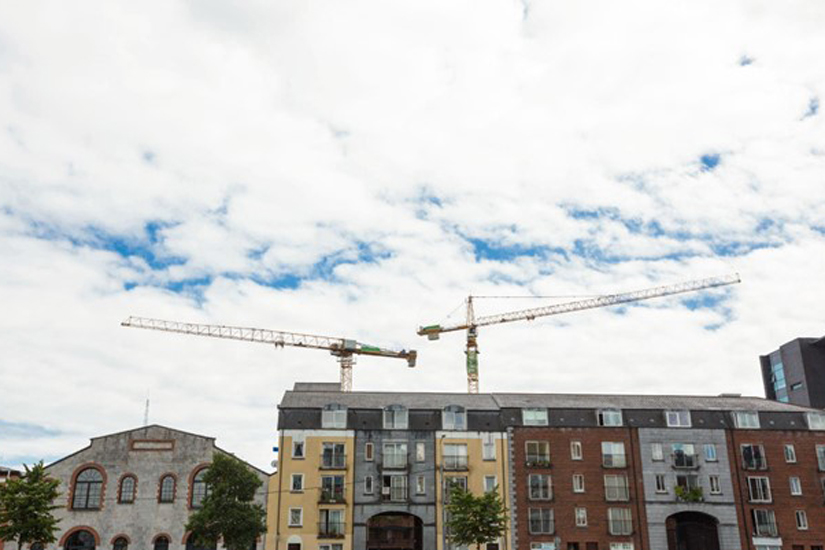
Many misunderstand value engineering because of how the term is sometimes abused. Some believe it means cheap materials, but that’s fabrication. True value engineering focuses on performance, safety, and function.
Others think it’s a late-stage rescue plan when a project goes over budget. In reality, the most successful examples start early, when design flexibility is still high.
There’s also the idea that value engineering reduces quality, but this only happens when teams misapply it. The best projects show that thoughtful optimisation supports better engineering, not shortcuts.
Reddit Insights:
Some verified engineers on Reddit say that VE usually appears when costs blow past budget, triggering stressful scope cuts rather than thoughtful design improvements.
Risk Management In Value Engineering
Every value engineering decision needs to be balanced with risk. Even when a change appears to bring cost savings, it must be analysed to ensure it doesn’t compromise structural integrity, safety, or regulatory compliance.
This is where tools like impact assessments, phased cost analysis, and performance modelling come into play.
These tools help teams identify areas where alternatives might introduce hidden risks. When done properly, value engineering strengthens a project rather than weakening it. The key is balancing cost reduction with accountability.
Value Engineering In Different Construction Sectors
Every construction sector sees value engineering differently. Residential projects often focus on optimising foundations, improving thermal performance, or incorporating prefabricated elements for speed and long-term savings.
Commercial buildings may look at HVAC redesigns, flexible floor plates, or standardised components to achieve cost efficiency without compromising performance.
Industrial projects often deal with energy systems, process piping, and operational access. Here, the balance of life cycle cost and maintenance costs becomes central.
Infrastructure projects focus on alignment, drainage, and material selection, all areas where value engineering can reduce costs on massive scales without sacrificing quality.
How Digital Tools Enhance Value Engineering
Digital models have reshaped engineering in construction. BIM allows teams to identify clashes, detect inefficiencies, and test alternatives before work begins.
Adding 4D and 5D modelling layers helps quantify cost savings and schedule improvements with more precision.
Simulation tools refine decision-making, bringing clarity and increasing the likelihood of effective value engineering outcomes.
When Value Engineering Goes Wrong?
Value engineering fails when the focus shifts from value to cost-cutting. Choosing untested materials, weakening structural margins, underestimating environmental conditions, or rushing approvals are common pitfalls.
When shortcuts override proper analysis, the risks outweigh the savings. This highlights why informed decision-making is the backbone of successful value engineering.
Training And Skill Development
For teams to implement value engineering properly, relevant skills are essential. Professionals must understand drawings, anticipate cost impacts, and evaluate alternatives based on function and performance.
Platforms like tradefoxapps.sitepreview.me allow tradespeople and engineers to explore system design choices, test alternatives, and learn practical applications of value engineering without real-world risk.
Skill development is part of what ensures value engineering stays true to its purpose: building smarter, not cheaper.
Bottom Line
Value engineering in construction is not about cutting corners; it’s about understanding function, improving life cycle cost, and finding smarter ways to deliver performance.
When applied correctly, it brings significant cost savings, long-term savings, reduced maintenance costs, and improved design clarity.
It’s a systematic way to balance cost with performance, keeping buildings safe, durable, and efficient.
For modern construction projects, it’s one of the most important tools for delivering cost-effective results without compromising safety, quality, or reliability.