

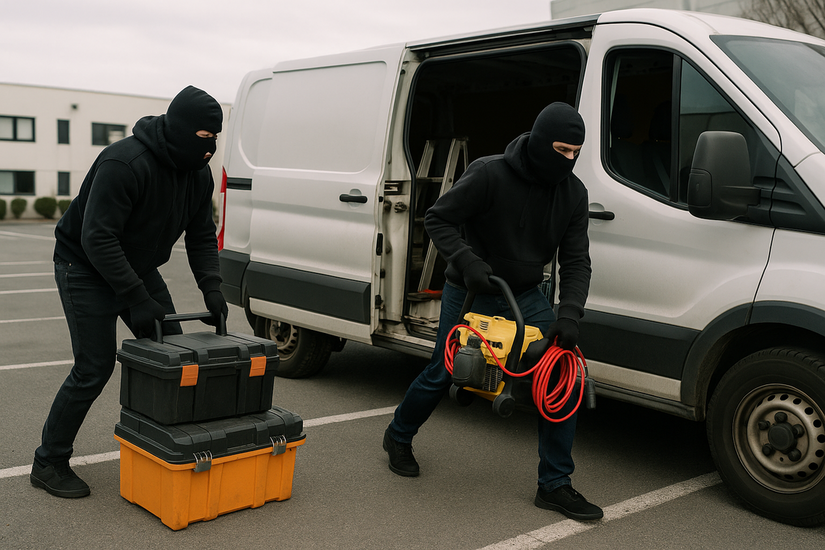
Thefts from trade vans aren’t just annoying, they’re costly, disruptive, and getting worse by the day across the UK. Whether you’re an electrician, plumber, carpenter, or general contractor, the tools you use every day are being targeted by opportunist thieves and organised criminal gangs. For many tradespeople, their van is a mobile workshop and warehouse. And that makes it vulnerable to theft, especially at night.
This article breaks down the growing problem of tool theft in the UK, how it affects tradespeople, and the practical steps you can take to protect your tools, secure your van, and reduce your risk of becoming the next victim of tool theft.
The Rise Of Tool Theft In the UK
Over the last few years, tool theft in the UK has continued to rise, particularly on residential streets and job sites. Thousands of hand tools, power tools, and expensive equipment are stolen every month, often overnight and in seconds.
In many areas, vans have become easy targets. Thieves know they can strike in seconds, grab what they nee,d and disappear before anyone notices. Some even use signal jammers or silent entry techniques. For self-employed tradespeople, this isn’t just about lost gear, it’s lost time, delayed jobs, and sometimes a damaged reputation.
Why Vans Are A Prime Target
There’s a reason van break-ins are so common. Vans are left parked outside homes or on site overnight, loaded with tools and materials that are difficult to trace and easy to sell. This makes them especially vulnerable to theft when no extra security measures are in place.
Opportunist thieves look for vans with clear windows, signs of expensive equipment or poor locks. More experienced criminals operate in gangs, casing out vehicles before hitting multiple in one area. Without van security upgrades or habits that discourage targeting, your van could be next.
The Real Cost Of Being A Victim Of Tool Theft
When tools are stolen, it’s not just the price tag that hurts. There’s the downtime while you replace equipment, possible damage to the van itself, and the risk of job delays or cancellations. Some tradespeople face hundreds or even thousands of pounds in losses, not all of which are covered by insurance.
Even if insurance does cover the loss, many find that premiums go up, claims take ages to process, and some tools can’t be replaced straight away. And beyond the financial hit, being a victim of tool theft can leave you feeling exposed, annoyed, and angry, especially if it happens more than once.
Common Methods Thieves Use To Break Into Vans
Knowing how thieves operate can help you spot vulnerabilities. Some of the most common methods used to gain access are:
- Peel and steal: Pulling back the top corner of van doors to force them open.
- Door drilling: Creating a hole to access locking mechanisms.
- Key fob jamming: Blocking the signal when drivers press the lock button.
- Smash and grab: Breaking windows when tools are visible.
- Clone keys and relay attacks: Used more often on newer models with electronic entry.
Each of these methods is designed to get in fast and quietly. That’s why layered tool security matters more than ever.
Practical Steps To Protect Your Tools
Securing your tools starts with being proactive. Here are several steps you can take to minimise the risk and avoid being an easy target.
1. Van Security
- Install deadlocks or slam locks to reinforce standard locking systems.
- Use steel tool vaults or secure storage inside your van to store valuable gear.
- Add a visible alarm system or warning decals.
- Park with doors close to a wall or fence to block access.
- Use window blanks or tint to keep tools out of sight.
2. Smart Habits
- Don’t leave tools in vans overnight if you can help it.
- Vary where you park and avoid routines.
- Don’t advertise your trade on the van if you regularly leave it loaded.
- Keep a tool inventory—photos, serial numbers, receipts.
- Mark your tools visibly and invisibly (UV pens, engraving, paint).
3. Tech For Tool Security
- Use GPS trackers for expensive tools or full toolkits.
- Install a dash cam or CCTV facing your van with motion alerts.
- Smart locks or digital sensors can track access and notify you immediately.
Use apps to monitor your fleet or even link tool inventories with digital platforms like Tradefox.
Insurance Tips Every Tradesperson Should Know
Even the best security measures can’t guarantee that your tools won’t be targeted. That’s why having the right insurance matters.
First, don’t assume your van insurance covers tools by default. In many policies, tool cover is either limited or doesn’t apply when the van is parked overnight, especially on public roads. To avoid nasty surprises, read the fine print carefully.
It’s often worth taking out dedicated tool insurance, especially if you carry a large amount of gear. Look for coverage that includes theft from locked vehicles, tool replacement, and minimal downtime. Keep in mind that claims often require proof of ownership, so keeping a tool inventory can speed up the process.
Also, some insurers offer lower premiums for tradespeople who can show they’ve installed extra van security or use secure storage for their tools.
What To Do If Your Tools Are Stolen
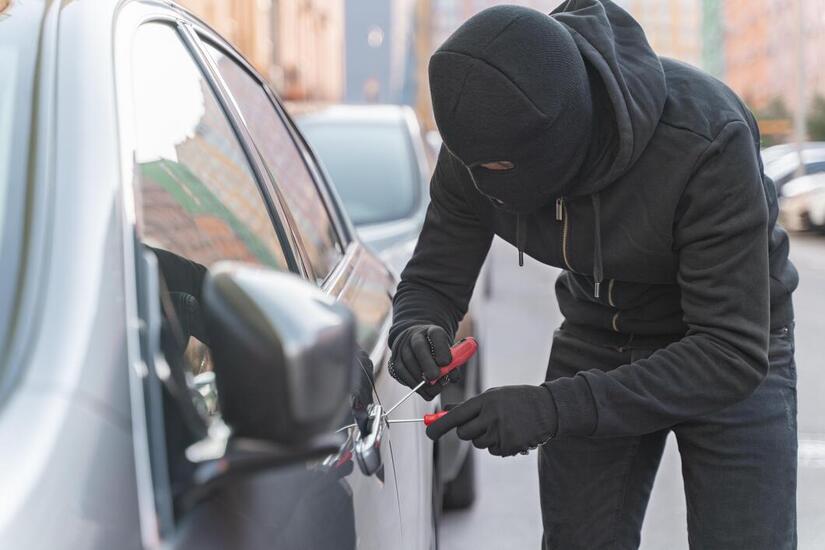
If you do become a victim of tools theft, acting fast makes a difference. Here’s what you should do immediately:
- Report it to the police – Call 101 or report online. You’ll get a crime reference number that’s needed for insurance.
- Notify your insurer – Start your claim with all necessary documents: receipts, photos, and your police reference.
- Share details in local groups – Post the make, model, and markings of stolen tools on community forums, local trades groups, or social media. Sometimes stolen items surface on resale platforms or pawn shops.
- Update your tool register – If you’ve used databases like Immobilise or Toolwatch, update the tool’s status as stolen.
Quick action increases your chances of recovery and may help prevent others from falling victim in the same area.
Register Your Tools And Build A Digital Inventory
One of the most overlooked security measures is proper documentation. When tools are stolen, you need proof, not just for insurance, but to aid recovery.
There are several ways to register your tools:
- Use national tool registers like Immobilise
- Record serial numbers and store them securely
- Photograph tools with close-ups of any markings
Make a habit of logging any new purchases immediately. That way, if something is stolen, you’re not scrambling for information.
Work Together: Community Support And Crime Prevention
Tackling the problem of tool theft requires more than individual effort. Many local communities, especially those with active trades networks, are forming informal watch groups, using WhatsApp or Facebook to share updates and alerts.
If break-ins happen in your area, let other tradespeople know. The more informed people are, the harder it is for potential thieves to move undetected. Some trades also collaborate to bulk-purchase security measures, share parking spaces with CCTV, or rotate equipment between trusted team vans.
Final Thoughts
The growing problem of tool theft in the U.K. is a reality that tradespeople can’t afford to ignore. As vans continue to be a target for both organized and opportunistic thieves, protecting your gear has never been more important.
By combining common-sense habits with smart tech and stronger van security, you can reduce the risk of being hit, and bounce back faster if it does happen. Keep a backup plan, mark your tools, and always be one step ahead of potential thieves.
Don’t wait until you’re a victim of tool theft. Take action today to protect your tools, your business, and your peace of mind.