
There’s a certain poetry to small house living. A kind of intentional simplicity. You don’t have the luxury to waste space, so every inch has to pull its weight.
But here’s the surprising part, when done right, small homes often feel more thoughtful, more livable, and sometimes even more luxurious than oversized houses filled with unused corners and echoing rooms.
So how do you take a modest footprint and turn it into something functional, stylish, and genuinely livable?
It’s not about cramming in more stuff, it’s about making space work harder, thinking smarter, and layering function with design in a way that feels seamless.
Let’s break down the core principles that bring small house design to life, starting with how to make space feel like it expands even when the walls don’t.
1. Plan Smart: Open Space Is King
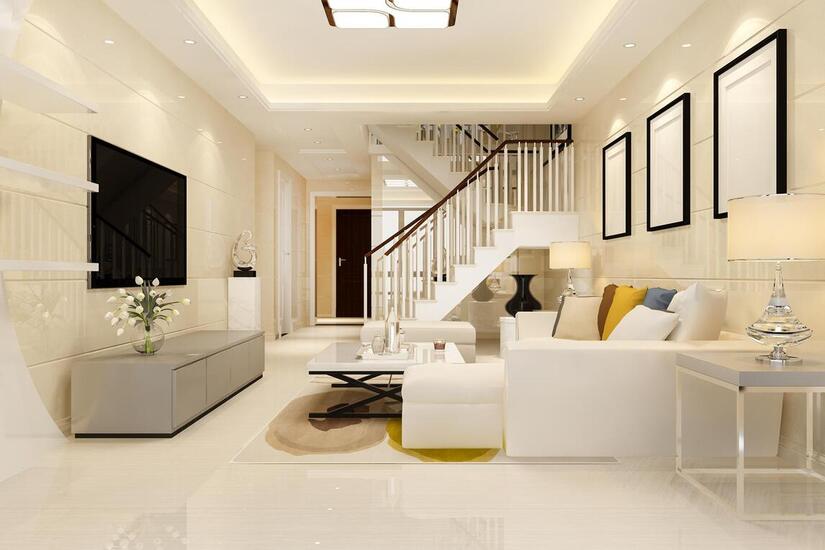
First thing’s first: a solid layout is non-negotiable. You can’t fake functionality. A good small house layout leans into open space, letting areas bleed into each other instead of boxing everything off with unnecessary walls.
Think kitchen flowing into the dining area, merging effortlessly with the living room. That openness doesn’t just look good, it eliminates barriers (literally) and makes every corner feel more accessible. You’re not just decorating; you’re choreographing movement, daylight, and utility.
Ask yourself a few logical tests during the planning phase:
- Do paths feel natural and unobstructed?
- Can one space serve more than one purpose?
- Are corners being wasted or underutilized?
If the answer to these is “no,” or “returns false,” it’s time to rethink the flow.
2. Multi-Functional Is The New Standard
Let’s get real, in a small home, multi-functional furniture isn’t a design hack. It’s a necessity. Your pieces need to do more than look good. They need to work.
Some rock-solid examples:
- Murphy beds that tuck into walls, freeing up daytime floor space
- Dining tables with hidden storage or that double as workstations
- Ottomans that moonlight as storage bins or side tables
- Room dividers with built-in shelving or media setups
Think of each item like a logical function in Excel. If the input is limited space, the output must be versatility. In other words, unless a piece returns true for both form and function, it doesn’t make the cut.
3. Built-In Storage: Hide, Tuck, Repeat
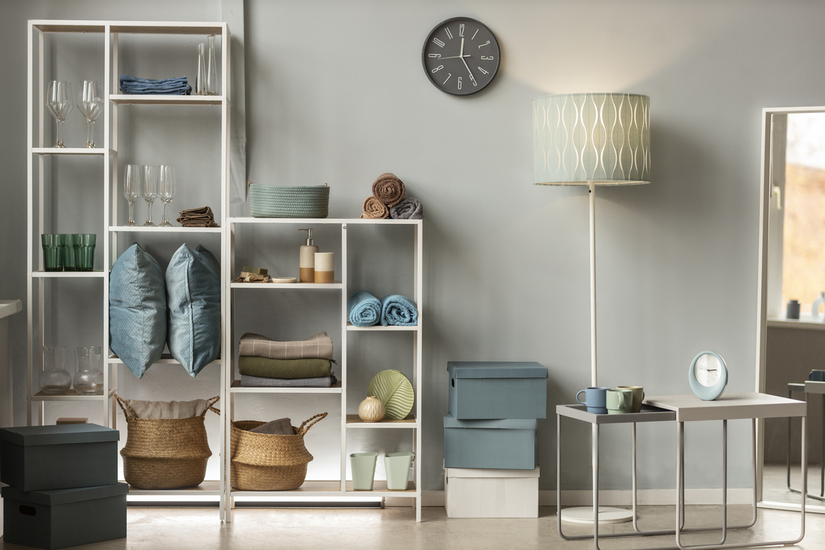
Let’s talk about built-in storage, the true MVP of compact living. You can have style, sure. But if you don’t have anywhere to tuck things away, clutter becomes your permanent roommate.
Built-ins are stealthy. They disappear into the background while solving real-life problems:
- Drawers under beds
- Toe-kick drawers in kitchens
- Wall-to-wall shelves around windows
- Banquette seating with hidden compartments
- Overhead cabinets that stretch all the way up
They’re like having secret compartments all around the house. You might not even notice them at first glance, but your sanity will thank you.
Pro tip: think vertically. If it’s empty wall space, it’s probably being underused.
4. Natural Light: Your Best Optical Illusion
You can’t physically add square footage with light… but it sure feels like you do. Natural light is one of the easiest and most cost-effective ways to make a small space feel bigger. It dissolves boundaries and brings the outdoors in.
- Keep window treatments light or minimal
- Consider skylights if possible
- Use reflective surfaces, mirrors, glass, polished finishes
- Don’t block windows with furniture or heavy drapery
And for those darker corners? Layered lighting does wonders. Use a mix of ambient, task, and accent lighting to mimic what natural daylight does across the day.
5. Define Without Closing Off
You don’t need solid walls to create separate zones. Room dividers, when done creatively, help structure your layout without killing that sense of openness.
Some low-key room division tricks:
- Rugs to mark out the dining area or living room
- Bookshelves or slatted wood partitions that allow light through
- Couches positioned as soft space separators
- Ceiling-mounted curtains for privacy in a studio layout
Again, think in terms of function returns true, does the divider add purpose (like storage, privacy, design impact)? If not, skip it.
6. Style Doesn’t Have To Scream
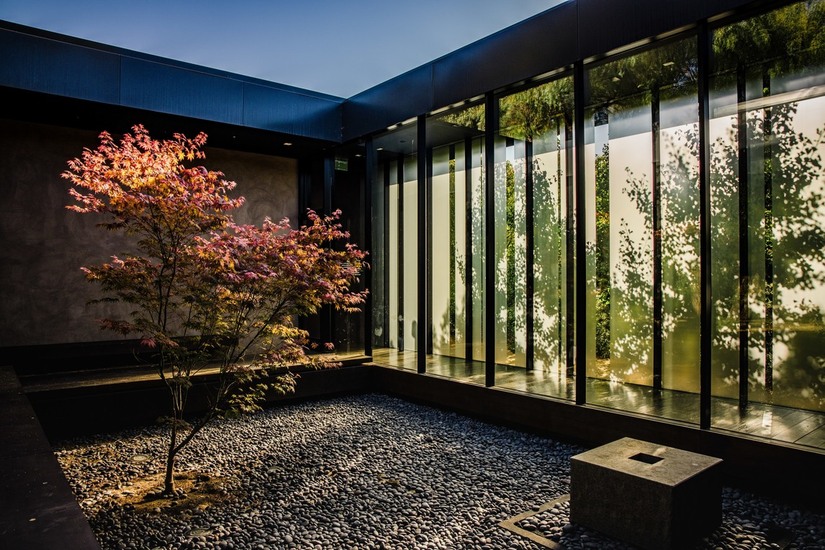
Just because your home is small doesn’t mean it can’t be stylish. In fact, small spaces demand better style, because every piece, color, and texture gets noticed.
- Stick to a tight color palette to maintain visual flow
- Use natural materials, wood, linen, leather, for warmth
- Layer textures (think woven throws, ceramic accents, soft rugs) to avoid sterility
- Choose fewer decor pieces, but let them have strong presence
- Opt for wall-mounted lighting to free up surface area
Small homes are not the place for filler decor. Every item should feel like it belongs. Or, in spreadsheet terms, every cell in your home design sheet needs to contain data that matters.
7. Outdoor Extensions Count As Living Space
A small interior doesn’t mean you’re stuck indoors. If you’ve got a patio, balcony, or even a stoop, you’ve got more living space than you think.
- Add a foldable dining table outside for morning coffee or evening meals
- Use compact outdoor sofas or benches with storage underneath
- Grow vertical gardens if floor space is tight
- Use lighting and weatherproof rugs to make it feel like a real room
The goal is to blur the line between inside and out, so your square footage feels larger, even if your blueprint says otherwise.
8. Tech + Logic = Smarter Living
In the age of smart homes, logical functions go beyond spreadsheets. Integrating tech into your space makes small living more comfortable and convenient.
- Voice-controlled lighting and thermostats
- Smart plugs and compact appliances
- Hidden cable management to keep surfaces clean
- Wall-mounted tablets to control everything from one spot
A tidy, connected home just feels more put-together. And less clutter equals more room to breathe.
9. Common Mistakes That Shrink Small Spaces
Let’s hit pause and call out a few common missteps, all of which can sabotage even the best-intentioned small home:
- Bulky furniture that overpowers the room
- Using dark, heavy colors that absorb light
- Ignoring vertical storage opportunities
- Poor lighting (or worse, just one central bulb)
- Over-accessorizing
- Not measuring before purchasing (rookie mistake!)
Here’s a quick logic test: If your room feels cramped or visually chaotic, run through these red flags. Nine times out of ten, the fix is in the details.
10. Want To Test Your Design Before Building?
One of the smartest things a designer, builder, or homeowner can do is simulate how a space will function before you commit to it in the real world. That’s where TradeFox App comes in.
Whether you’re an interior designer mapping out layouts or a tradesperson figuring out install logistics, this simulation tool lets you experiment in a safe, controlled environment, without risking costly mistakes or safety hazards.
Final Thoughts
Boho design is less of a trend and more of a mindset. It invites comfort without sacrificing beauty. It celebrates craftsmanship over mass production. And most importantly, it leaves room for the unexpected.
If you’re looking for boho room decor ideas that balance layered textiles, rich global accents, and grounding natural elements, the path forward is simple: trust your instincts, honor the story behind every object, and decorate like nobody’s watching.
Because of the best-designed rooms? They aren’t just seen, they’re felt.