
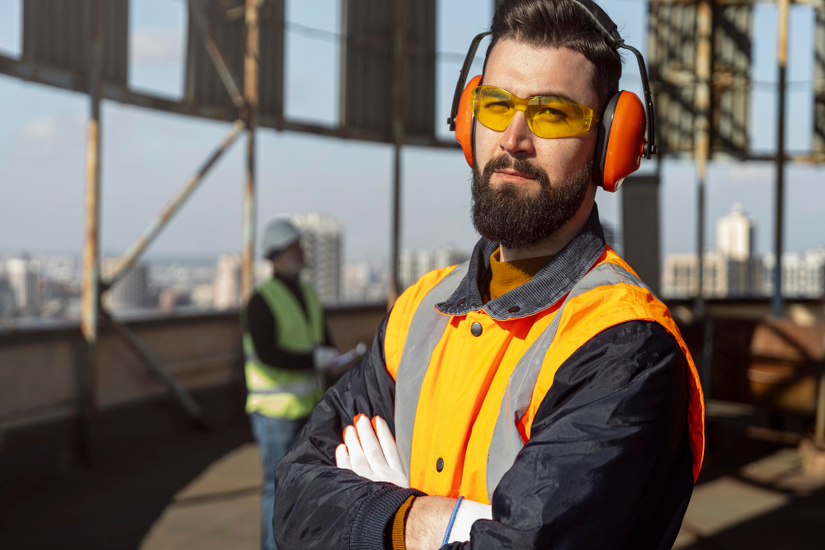
Step onto any construction site and you’ll feel it immediately, the thrum of machinery, the clang of steel, the constant motion of people and parts. It’s intense. And it should be. You’re building things that matter. But within that energy, one thing must remain non-negotiable: safety.
Workplace health and safety tips aren’t just tick-box exercises or posters gathering dust in a breakroom. They’re the lifelines that protect our people from the very real dangers that come with the trade, falls, crush injuries, electrocution, heat stroke, you name it.
Whether you’re managing a crew of 5 or 50, prioritizing health and safety means investing in three foundational pillars: proper staff training, active risk management, and real first aid preparedness.
Get these right, and everything else, efficiency, morale, even profitability, follows. Let’s break down exactly how to do it, without the corporate fluff and with real, field-tested insights.
1. Staff Training That Sticks
You Can’t "Wing It" With Safety
You may meet a guy in the field, who has 20 years of experience, knows every shortcut, and never wears a harness unless someone’s watching. The truth is, experience doesn’t equal immunity. And assuming new workers will “pick it up on the job”? That’s how accidents happen.
Proper safety training needs to go beyond “watch this video and sign here.” It must be active, layered, and tailored.
Types Of Training That Matter
1. Induction Training
2. Toolbox Talks
3. Task-Specific Training
4. On-the-Job Mentorship
Pair rookies with experienced, safety-conscious workers. The informal learning that happens here is key.
Training Delivery Tips From The Trenches
- Use interactive demos, not just slides. People remember what they do, not what they read.
- Rotate through real-world scenarios: What happens if a nail gun jams mid-use? How do you handle overheating on a roof in 40°C heat?
- Document everything. Not for box-ticking, but for identifying who’s ready and who needs more guidance.
Making It A Culture, Not A Course
- Reward safe behavior publicly. A shoutout during toolbox talks can boost morale and compliance.
- Normalize hazard reporting. Frame it as contributing to team success, not tattling.
- Make sure leadership walks the walk. If the foreman’s wearing flip-flops, why should anyone else bother with boots?
Risk Management Isn’t A Binder On A Shelf
Identifying Hazards: Eyes Wide Open
Common construction hazards:
- Falls from height (ladders, scaffolds, roofs)
- Electrical exposure
- Forklift/machinery incidents
- Sharp or unstable materials
- Repetitive strain from poor ergonomics
- Noise and dust (the silent creepers)
Train everyone, yes, everyone, to report hazards as soon as they notice them. You’ll get more input than from formal inspections alone.
Risk Assessment That Makes Sense
| Likelihood | Severity | Risk Rating |
|---|---|---|
|
Unlikely |
Major |
Medium |
|
Likely |
Moderate |
High |
|
Rare
|
Catastrophic |
High |
Then act. Don’t overcomplicate it with spreadsheets that no one updates.
Applying The Control Hierarchy: Real Site Examples
- Elimination – Remove the hazard entirely
- Substitution – Replace with a safer alternative
- Engineering Controls – Physically separate people from hazards
- Administrative Controls – Change how people work
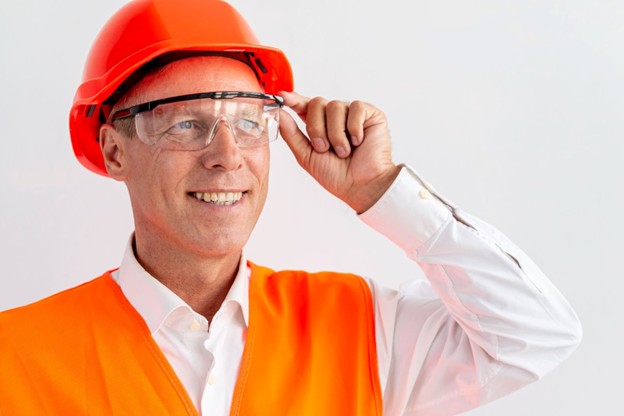
- PPE – Personal protective equipment (last resort)
Example: Helmets, gloves, harnesses, make sure they fit and are worn correctly.
Monitoring And Adapting
- “What’s changed since our last risk assessment?”
- “What near misses occurred?”
- “What’s annoying or impractical about our current controls?”
Adapt. Risk management isn’t static. It evolves with your site.
Tech Can Help (But Doesn’t Replace Thinking)
- Apps like iAuditor, SiteDocs, or HammerTech can log hazards, assign fixes, and track inspections.
- QR code checklists save time on mobile.
- Use photos and videos to document before/after risk conditions.
But remember: a fancy app doesn’t replace good judgment. Tech should support, not replace, your crew’s instincts and vigilance.
Risk management works best when everyone’s eyes are open, not just the safety officer’s.
First Aid Isn’t Optional, It’s Urgent
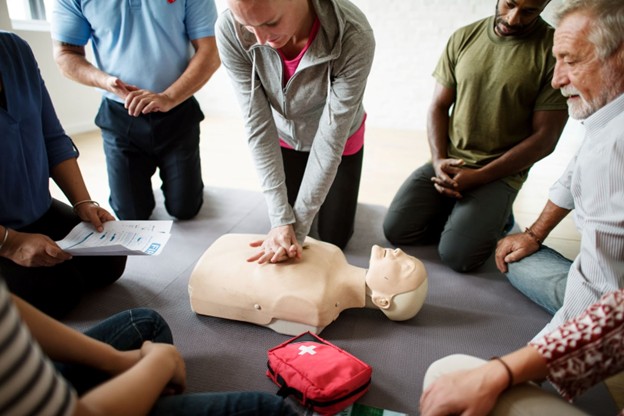
Imagine this: a grinder kicks back. A worker’s arm is cut deeply. You’ve got 90 seconds before blood loss becomes serious. What happens next?
You either have trained first aiders, or you panic. That difference can cost a life.
Stocking Your First Aid Kits (Properly)
- Heavy-duty dressings for major bleeds
- Saline for eye injuries
- Instant cold packs for sprains or heat stress
- Burn gel
- Emergency blanket
- Instructions for CPR and choking
Appointing The First Aiders
- Low-risk workplaces (like offices): At least one appointed person for every 25 employees.
- High-risk environments (like construction, electrical work, or confined spaces): One qualified first aider for every 5 to 50 workers, more if tasks are particularly hazardous.
First aiders should hold a valid First Aid at Work (FAW) or Emergency First Aid at Work (EFAW) certificate, issued by an HSE-approved training provider. These certifications typically remain valid for three years and require a refresher to stay up to date.
You must clearly display the names, roles, and contact information of all first aiders in a visible location onsite, ideally near first aid stations or entry points.
It’s also smart to run mock drills occasionally, so staff know who to turn to in real emergencies.
Emergency Drills That Don’t Feel Like Homework
- Confusion about who’s in charge
- Bottlenecks at exits
- Forgotten emergency numbers
It's Not Just Red Tape
Safety paperwork doesn’t exist to please inspectors, it exists to protect your crew and your business when things go south.
What You Should Be Tracking
- Training logs: Who’s been trained on what, and when?
- Incident reports: Even for minor injuries or near misses.
- Risk assessments: Dated, signed, and reviewed regularly.
- First aid treatment records: Keep them confidential but accessible.
Near Misses Are Gold
Penalties Are No Joke
So yes, paperwork matters. But more than that, it reflects the health of your safety culture.
Leadership & Culture
A safe site isn’t built by one person, it’s built by leadership that listens and workers who feel heard.
Lead by doing. If you shortcut safety, so will your team. Hold informal check-ins. Reward safe behaviors. Encourage every worker to point out hazards, even to their boss.
Want real engagement? Put safety goals on par with productivity targets. “Zero lost-time injuries” should matter as much as “X units completed.”
Safety culture doesn’t mean no risk. It means shared responsibility and smart decisions, made together.
Final Thoughts & Next Steps
Workplace health and safety isn’t a one-off initiative, it’s a living, breathing commitment. Whether you’re tightening your risk protocols, overhauling your training approach, or upgrading first aid readiness, every action counts.
And if you’re looking for a way to sharpen skills without putting lives on the line, check out Tradefox.
It’s a brilliant simulation tool for tradespeople, electricians, apprentices, builders, who want to get hands-on experience in a risk-free, virtual job site. Perfect for new starters or anyone wanting to boost confidence and practical skills before the real world takes over.
Stay sharp. Stay safe. Your team’s counting on it.