
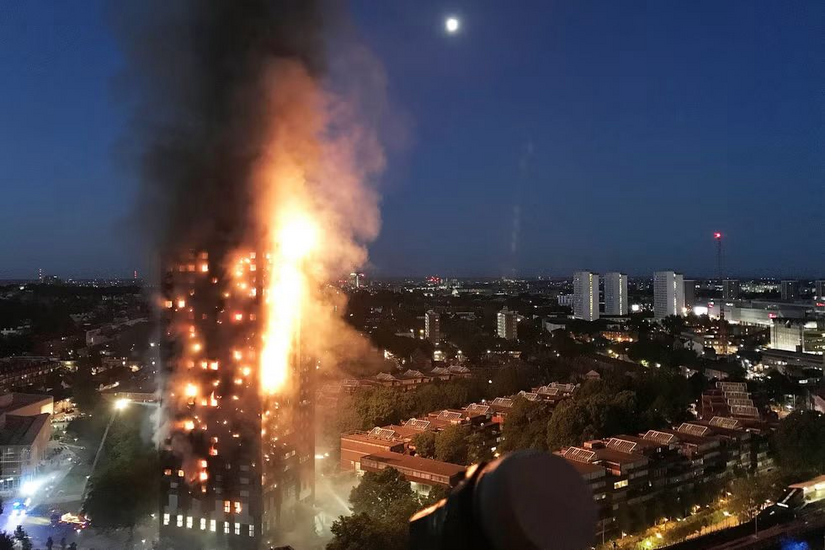
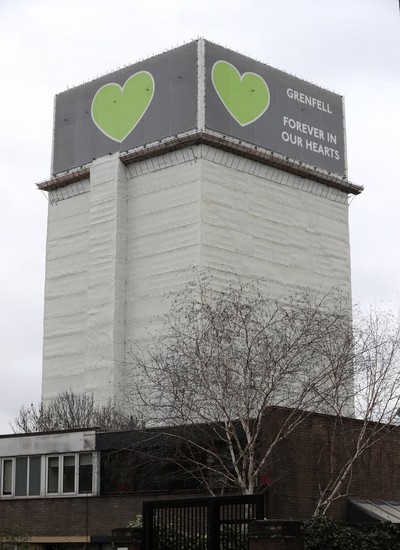
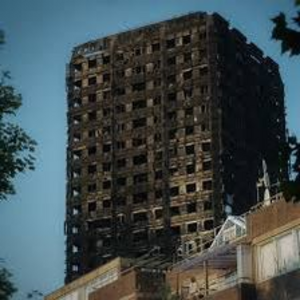
In the early hours of 14 June 2017, a fire broke out in Grenfell Tower, a 24-story residential block in West London.
Within minutes, what began as a minor appliance fault spiraled into one of the deadliest structural fires in modern British history, claiming 72 lives and injuring many more.
While the blaze shocked the public, it was the construction failures, layered, systemic, and avoidable, that turned a manageable incident into a catastrophe.
The disaster wasn’t just a tragic accident. It was a structural failure of oversight, regulation, and decision-making that exposed deep cracks in the UK’s building safety culture.
The Refurbishment: A Turning Point
Grenfell Tower was built in 1974, an era when high-rise concrete tower blocks were everywhere in the UK.
Despite its age, the original structure had a decent fire record and was made of reinforced concrete, known for its fire-resistant properties.
But between 2012 and 2016 it was refurbished.
This included:
- Installing external cladding made of aluminum composite material (ACM) with a polyethylene core
- Adding insulation behind the cladding to make it more energy efficient
- Replacing the windows and altering the ventilation
On paper, these upgrades were meant to modernise and make the building more energy efficient. In practice, they compromised its fire safety in ways that would prove disastrous.
Dangerous Cladding: A Critical Mistake
One of the biggest construction failures was the use of ACM cladding. While these panels were common in commercial construction, the specific type used on Grenfell had a highly flammable polyethylene core, essentially plastic.
In a fire, this material behaves like solid petrol. Once ignited it melts, drips and accelerates flame spread up and across facades. And that’s exactly what happened.
The design had a “chimney effect”: cavities between the cladding and insulation that allowed hot gases and flames to shoot up the building.
This goes against every principle of compartmentalisation in high-rise fire design where flames should be contained to one unit or one floor.
Worst of all, there were safer alternatives available at the time. Fire retardant cladding, although slightly more expensive, was rejected. The decision, in hindsight, was a catastrophic compromise on safety for cost.
Fire Barriers That Didn’t Work
A well-clad high-rise should include fire-stopping measures, barriers, and intumescent materials that expand during fire to block heat and flames.
Grenfell’s cladding system did include such barriers, but investigations found them “missing, incomplete, or improperly installed.”
In several places, these fire-stops left gaps large enough for smoke and flames to bypass, effectively turning the façade into a superhighway for fire.
Without adequate fire-stopping, even the best materials would’ve struggled to contain the blaze.
But this wasn’t a one-off mistake.
The failure to ensure installation quality speaks to a wider problem in the UK construction sector: poor oversight during refurbishment and an over-reliance on contractor self-certification.
Compromised Compartmentation
In tall buildings, the principle of compartmentalization is sacred. Each flat is meant to act like a sealed box, preventing fire and smoke from spreading for at least 60 minutes. This gives residents time to evacuate or follow a “stay put” policy if safe.
Grenfell’s internal compartmentation was compromised in several ways:
- Gaps around newly fitted windows weren’t properly sealed
- Ducts and service risers lacked sufficient fire stopping
- Fire doors failed to hold back smoke and heat
When the fire reached inside flats, it didn’t stop at the walls. It leaped between units, breached corridors, and flooded the central stairwell, leaving evacuation routes impassable.
It’s one thing for external fire to reach a flat. It’s another time when internal protections, designed by regulation, fail to hold. These weren’t abstract technical errors. They were critical safety systems failing under stress, with fatal consequences.
Lack Of Sprinklers And Alarm Systems
Another shocking omission was the lack of an active fire suppression system. Grenfell Tower had no sprinklers. No fire alarms in communal areas.
No central alert system to override the “stay put” advice once the fire spread.
While not mandatory at the time for refurbishments of that scale, the absence of such basic safety measures is indefensible.
Especially in a building housing vulnerable residents, including children, the elderly, and people with limited mobility.
Sprinklers could have bought vital minutes. A central fire alarm could have triggered an earlier evacuation. Instead, confusion and conflicting advice led to tragic delays in residents fleeing the building.
Regulatory And Procurement Weaknesses
Behind the construction choices sat a web of flawed regulations and fragmented responsibilities.
UK building regulations at the time were open to interpretation, allowing materials to be “deemed to satisfy” fire safety without full-scale testing.
Even worse, the procurement model used for Grenfell’s refurbishment encouraged cost-cutting. The cladding was selected not based on fire performance, but on appearance and budget constraints. Safety took a backseat.
Multiple contractors worked on different elements of the refurbishment. Oversight was patchy. Critical information got lost between the design, supply, and installation stages.
And when warnings were raised by residents about fire risks, they were largely ignored.
A Sector-Wide Wake-Up Call
Grenfell wasn’t just a failure of one building, it exposed an entire ecosystem of systemic neglect. From regulatory gaps and poor construction oversight to inadequate enforcement, the disaster forced the UK to confront a harsh truth: the safety of social housing tenants had been deprioritised for too long.
The tragedy prompted sweeping changes, including:
- The Building Safety Act 2022
- Mandatory fire risk assessments
- Stricter rules on materials and installation accountability
Yet many experts warn that deeper cultural change is still needed, especially in how construction decisions are made and who gets held accountable when things go wrong.
Preparing Future Tradespeople For Real Safety
No modern tradesperson should enter the industry without fully understanding the consequences of construction errors.
And that’s where tools like Tradefox come in.
This simulation-based app allows electricians, plumbers, and other trades to practise their skills safely, learning not just the “how,” but the “why” behind each task, without ever facing real-world risk. Examples of this include our diverted neutral current test simulation which we are starting work on this month.
Safety training like this could be one of the legacies of Grenfell.
Final Thoughts
The Grenfell Tower fire was not an isolated misfortune, it was the end result of design choices, material decisions, and oversight failures that should never have passed muster.
As the industry rebuilds trust, every planner, contractor, and policy-maker must remember: buildings aren’t just structures. They’re homes. And when construction goes wrong, lives are lost.
Accountability is not just about courts or inquiry panels. It’s about a collective moral duty to never let this happen again.