
When a pipe bursts, water doesn’t wait for you to Google what to do. It just keeps running, often like a small firehose, and that’s when knowing your stopcock becomes the difference between a minor drama and a disaster.
The truth is, most households in the UK don’t actually know where theirs is. Some only find out during the worst possible moment.
A stopcock or stop tap isn’t a complicated kit, but it’s one of those fittings you tend to overlook until it’s desperately needed.
This guide will show you how to find it quickly, how to deal with a stubborn valve, and what to do if yours won’t play ball.
What Is A Stopcock?
In simple terms, the stopcock is the master tap that controls the incoming mains water into your home. Turn it off, and the water inside your property shuts down. Turn it back, and the flow returns.
There are two types of homes in the UK:
- Internal stopcock – inside the property, usually on the incoming supply pipe. This is the one you’re responsible for.
- External stop valve – outside, often in a small chamber under a metal or plastic cover near the pavement. Water boards use this, and in some cases, you’re allowed to operate it in an emergency.
Most internal stopcocks are brass with a simple round handle or, in modern installations, a quarter-turn lever. Pipes are usually copper or plastic, 15–22mm wide, so once you know what you’re looking for, it’s relatively easy to find.
Typical Locations In The UK Homes
The good news is that stopcocks aren’t hidden with malice; they follow rules. The bad news is that builders over the decades haven’t always followed the rules, and modern renovations often cover them up.
The first place to check is under the kitchen sink. This is the most common spot in UK homes, especially post-war builds. If it’s not there, try:
- Downstairs toilet or utility room, often near the rising main.
- Under the stairs or in a hallway cupboard.
- Older houses may have them in cellars, larders or even behind removable panels.
- In flats, they may be inside the unit itself or in a shared service cupboard.
New builds tend to put them near the front of the property, following the line of the incoming supply. Wherever it is, once you’ve found it, make a mental note. Emergencies aren’t the time to go hunting.
How To Identify It Quickly?
Even when you’re looking right at it, people miss the stopcock because it blends in with all the other pipework.
The trick is to look for a small valve on the main incoming cold water pipe, usually low down and pointing upwards.
Clues you’ve found the right one:
- Brass body, with a round tap head or lever.
- On the pipe coming into the building, not on the branches to the appliances.
- Turning it clockwise should reduce the water flow. A quick test, run a cold tap and turn the valve slightly. If the flow slows, you’ve got it.
This matters because in some houses, you’ll also find isolation valves around. They look similar, but only control individual appliances like washing machines or toilets.
Common Problems With Stopcocks
Unfortunately, stopcocks don’t get the respect they deserve. Left untouched for years, they often misbehave when finally needed.
The most frequent headaches include:
- Stiff or seized valves – corrosion or mineral buildup makes them hard to turn.
- Leaking around the spindle – water drips when the valve is operated.
- Worn washers – leading to dribbles even when fully closed.
- Awkward locations – boxed in behind kitchen units, tiled over, or buried under flooring.
- Overtightening damage – DIY attempts sometimes snap the spindle or shear the valve.
None of these are unusual, but they can cause panic if you’re trying to shut off water in a hurry.
How to Free or Operate a Stiff Stopcock
A stiff stopcock doesn’t necessarily mean failure, but it does demand care. Forcing it with brute strength is a quick way to break it.
The better approach:
- Spray a little penetrating oil like WD-40 around the spindle and let it soak.
- Use gentle back-and-forth movements rather than a single hard twist. This loosens corrosion gradually.
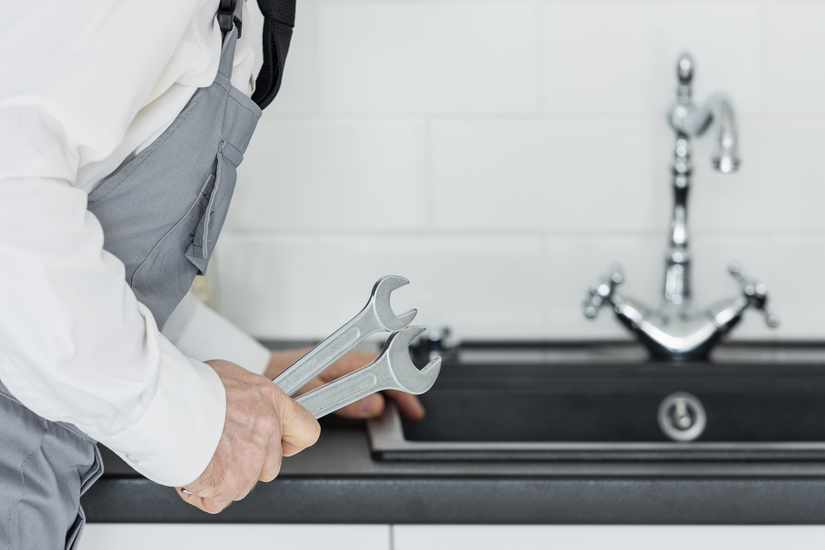
- A cloth around the handle can give more grip. For spindles, an adjustable spanner might help, but always with light pressure.
- If it refuses to budge, stop. A snapped stopcock means no control at all, and a plumber will be needed.
As a preventative measure, it’s worth “exercising” the stopcock every few months, turning it off and on again so it doesn’t seize up.
Emergency Alternatives if The Stopcock Fails
So what if the internal stopcock is useless or inaccessible? There are fallback options:
- External stop valve – usually in the pavement, covered by a metal or plastic lid. Some require a special key to turn. In many cases, you can operate it in emergencies, though if it’s jammed or unclear, call the water supplier.
- Appliance isolation valves – those small lever valves on the pipes behind washing machines, dishwashers, and toilets. They won’t cut all the water, but they can control local leaks.
- Freezing kits – plumbers sometimes use pipe-freezing sprays or clamps to create temporary ice plugs, buying time for repairs. Not a DIY trick for everyone, but it exists.
- Water board support – in serious cases, your regional water supplier can send someone to assist with shutting off the supply.
The main point is this: even if your stopcock is unusable, you’re not without options.
Preventative Maintenance & Best Practices
Like many fittings, stopcocks benefit from a little attention now and then. The simplest routine includes:
- Turning the valve off and on every few months to keep it free.
- Making sure it isn’t boxed in or buried behind clutter.
- Labelling it clearly so tenants, guests, or family know what it is.
- Considering upgrades, modern quarter-turn lever valves are easier to operate than traditional wheel-head styles.
A few minutes of care now prevents frantic searches and stiff handles later.
Tools And Resources For Homeowners & Trades
It doesn’t take a professional toolkit to manage a stopcock, but a few basics help: a torch, WD-40, an adjustable spanner, and some old towels. Beyond that, knowledge is the best tool.
For plumbers, apprentices, and even experienced tradespeople looking to sharpen their skills safely, digital training has become more common.
Platforms like Tradefox offer simulated environments where you can practise handling stopcocks, leaks, and other plumbing scenarios without the risks of live systems.
Conclusion
Finding and operating your stopcock isn’t complicated, but it does require awareness. Know where it is, keep it maintained, and you’ll avoid the chaos of scrambling during a leak.
If it fails, alternatives exist, from external valves to isolation taps, but prevention is always better than last-minute problem-solving.
In the end, the stopcock is a simple piece of brass and pipework, but when trouble strikes, it becomes the most important fitting in your home.