

[language-switcher]
[wpdreams_ajaxsearchlite]

Tradefoxapp

Different Types Of Bricks Used In The UK: Engineering, Facing, Commons & Where Each Excels

Bricks are the unsung heroes of British building. From Georgian terraces to Victorian factories to modern eco-homes, these small rectangular blocks shape our built environment. They’ve been around for centuries, but not all bricks are created equal. Some are designed to withstand huge loads, others to look good, and some are simply designed to fill […]


Different Types Of Bricks Used In The UK: Engineering, Facing, Commons & Where Each Excels Read More »

Gas Tightness Tests Explained: Pass Or Fail Criteria, Allowable Pressure Drops, And Common Pitfalls

Gas safety isn’t a nice to have in the UK; it’s a legal requirement. Every year, incidents caused by leaks remind us why checks and procedures aren’t optional. Among these, the gas-tightness test is key. It’s the test that tells an engineer if a system of pipework is sound, safe, and fit for purpose. Whether

Gas Tightness Tests Explained: Pass Or Fail Criteria, Allowable Pressure Drops, And Common Pitfalls Read More »

How To Avoid Roller Marks On Walls And Ceilings: Pro Techniques For A Flawless Finish

If you’ve ever painted a wall or ceiling in a UK home, you’ll know that feeling of stepping back and seeing roller marks. Those faint lines, flashing patches or tramlines across what should be a smooth finish can ruin even the most beautiful colour. The worst part is they often appear after the paint is

How To Avoid Roller Marks On Walls And Ceilings: Pro Techniques For A Flawless Finish Read More »

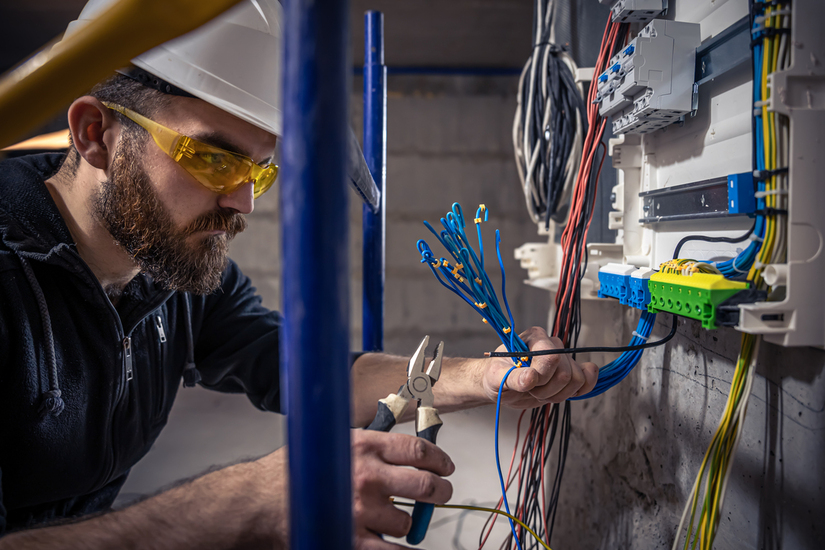
Ring Vs Radial Circuits In UK Homes: Pros, Cons & When To Choose

Every UK home has electrical circuits, but most people never think about how those circuits are laid out. Behind the sockets and switches, there are two main systems at play: ring final circuits (often called ring mains) and radial circuits. Each has its own design, history, and benefits. Choosing the right setup isn’t just an

Ring Vs Radial Circuits In UK Homes: Pros, Cons & When To Choose Read More »

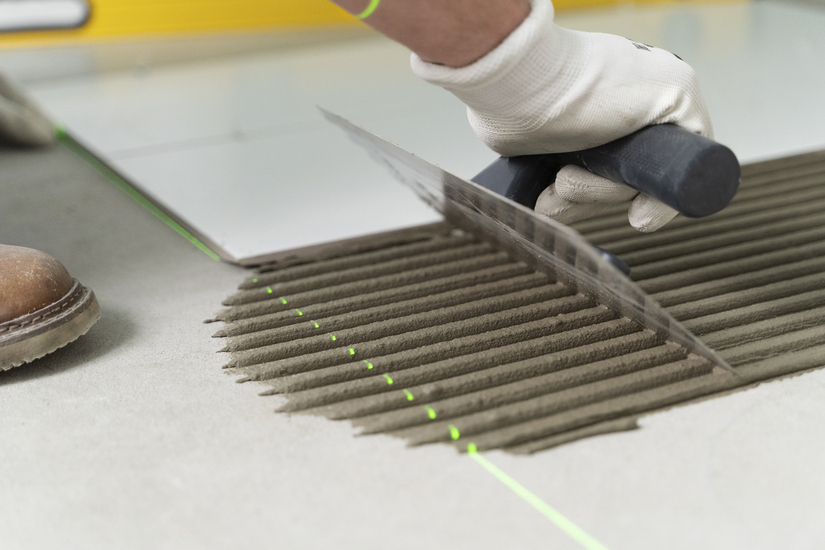
Grouting Tiles The Pro Way: Mix Ratios, Joint Profiles, And Hygiene Tips

Tilework shows all the shortcuts. A wonky line, a mismatched joint or grout that flakes away too soon, these aren’t just cosmetic, they’re a sign the job wasn’t done properly. Grout is often underestimated. People think of it as a filler, a gap plugger, something that comes in at the end of the process. But

Grouting Tiles The Pro Way: Mix Ratios, Joint Profiles, And Hygiene Tips Read More »

Brick Bonds Explained: Stretcher, English, Flemish Patterns Guide

Walk down almost any street in Britain and you’ll notice brickwork patterns staring back at you. From the neat uniform lines of post-war housing estates to the ornate façades of Georgian terraces, the way bricks are laid is rarely random. These patterns, or bonds, are more than decoration. They’re structural choices that dictate strength, stability,

Brick Bonds Explained: Stretcher, English, Flemish Patterns Guide Read More »

Guide To GS38: What They Are And How To Stay Compliant

Electrical work has always been one of the riskiest parts of construction and maintenance. Live testing, fault-finding, or simply measuring voltages exposes workers to dangers that can escalate in seconds. That’s why in the UK, there’s a set of rules designed specifically to reduce those risks,  the GS38 guidance. Too often overlooked outside of electrical

Guide To GS38: What They Are And How To Stay Compliant Read More »

Carpentry Joints Explained: From Butt, Lap, And Housing To Dovetail

Carpentry is one of those trades where the details make all the difference. A cut a millimetre off, or a joint that hasn’t been thought through, can turn what should be a solid structure into something that feels flimsy or unfinished. At the heart of this craft lie the joints, the techniques carpenters use to

Carpentry Joints Explained: From Butt, Lap, And Housing To Dovetail Read More »

Protecting Workers On Site Through Effective HAVS Monitoring

Construction sites have never been short of risks. Working at height, with heavy machinery, and moving vehicles, the hazards are visible. Yet some dangers creep in quietly, almost invisibly. One of them is vibration. Hand-arm vibration, to be precise. Caused by prolonged use of tools like breakers, grinders, and drills, it’s not a risk you

Protecting Workers On Site Through Effective HAVS Monitoring Read More »

How To Identify If A Building Is Structurally Unstable

Buildings are supposed to feel solid. Safe. Permanent. Yet anyone who’s spent enough time around older homes, commercial units, or even modern developments in the UK knows that not every structure is as sound as it looks from the outside. Structural instability isn’t something that crops up every day, but when it does, the consequences

How To Identify If A Building Is Structurally Unstable Read More »

Secret Link