
Flickering lights. That faint smell of burning plastic. A socket that feels just a bit too warm. Most of us shrug these things off until the power goes out, or worse, a real electrical hazard develops.
And in many UK homes, the root cause often sits quietly in a cupboard or under the stairs: the fuse box. Or, if you’ve had your wiring updated in the last couple of decades, your consumer unit.
Either way, it’s the central control point for every circuit in your house, and while it doesn’t demand much attention day to day, it’s not something to ignore either.
In this guide, we’ll walk you through what to check, what’s normal, and what isn’t, plus when to call in the pros. Whether you’re a homeowner or a landlord, staying on top of fuse box safety is non-negotiable.
What Is A Fuse Box, And Do You Still Have One?
Let’s get this cleared up early. What many people still call a “fuse box” is technically a consumer unit in modern setups. But in older homes, you may well have an actual fuse box, the old-school kind with rewirable fuses and ceramic holders.
Here’s the difference:
- Old fuse boxes use fuse wire to break the circuit when overloaded. Manual. Outdated. Fire risk.
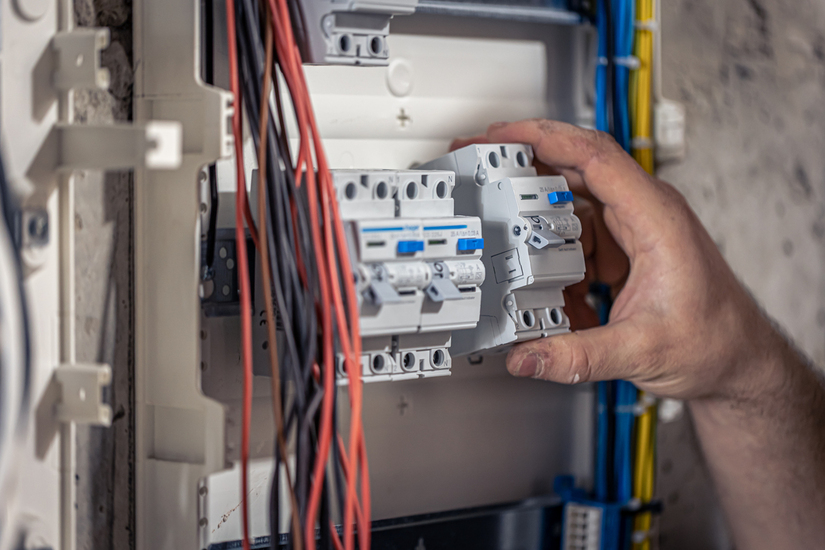
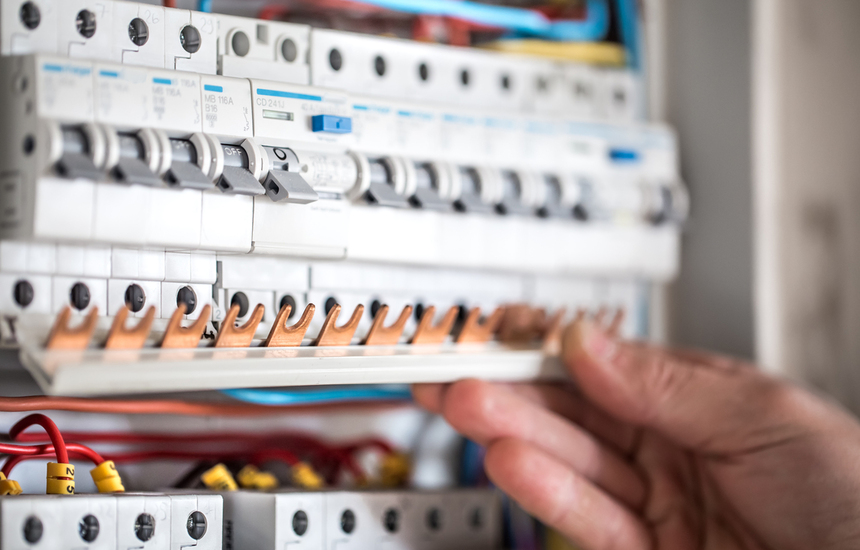
- Modern consumer units use Miniature Circuit Breakers (MCBs) and Residual Current Devices (RCDs) to protect against overloads and earth faults. Much safer and compliant with today’s electrical regulations.
Both systems are usually found in similar places, under the stairs, in the hallway, or utility cupboards. And regardless of type, both should be treated with caution and checked regularly.
Fuse Box Safety: How To Inspect Without Taking Risks
Before anything else: Don’t start unscrewing covers or poking inside live circuits. If you’re not qualified, keep your inspection purely visual. That said, there’s a lot you can spot with a bit of common sense and careful observation.
Start With These Basic Safety Rules:
- Switch off and lock off the external isolator before opening the unit (if you plan to look inside)
- Never touch live components; keep it to a visual inspection only.
- Wear rubber-soled shoes and avoid damp conditions.
- Use a torch, not your phone’s camera light.
- And if something feels off, a smell, a hum, a flicker, it probably is
Common Fuse Box Problems Found In UK Homes
Let’s break down the issues you’re most likely to encounter and what they mean.
1. Overloaded Circuits
This one’s more common than you’d think. Hair dryers, kettles, air fryers, heaters, and modern appliances demand a lot of power.
Signs:
- MCBs trip repeatedly
- Certain rooms lose power during high usage.
- The lights dim when heavy appliances are turned on.
Why it matters: Overloading can overheat wires and cause fires. It’s a warning sign that your circuits aren’t balanced properly.
2. Rewirable Fuses (Yes, They Still Exist)
If you see little boxes with coloured fuse wire inside, you’ve got an outdated setup. These fuses blow when overloaded, but they don’t trip like modern breakers, meaning your wiring’s vulnerable.
Problems:
- Manual replacement (you have to physically change the wire)
- Slower response than MCBs
- No earth leakage protection (unless you’ve had an RCD retrofitted)
Time to upgrade? Absolutely. Not just for convenience, but for safety.
3. Buzzing Or Clicking Noises
Fuse boxes shouldn’t make noise. If you hear buzzing, clicking, or humming coming from the consumer unit, shut it off and investigate.
Likely causes:
- Loose connections
- Arcing
- Faulty breaker
- Overheating neutral wire
Tip: Listen with the cover closed. If you still hear something, it’s time to call an electrician, no delay.
4. Heat Damage Or Discolouration
This one’s self-explanatory. Brown marks around breakers? Melting plastic smell? Warm to the touch?
That’s a red flag. You’re looking at either:
- Excessive load
- Loose terminals
- Internal short circuit
- Or an old unit that’s past its safe lifespan
Never ignore signs of heat. Electrical fires often give subtle warnings before things go south.
5. RCD Or MCB Keeps Tripping
Imagine trying to isolate the oven during an emergency, and not knowing which breaker controls it.
Unlabelled circuits = dangerous.
Every switch should be marked, sockets, lighting, cooker, upstairs, and downstairs. If it’s not, use a circuit identifier (or hire a spark) to label it properly.
6. No Labels Or Confusing Setup
It could be a fault with the wiring, moisture ingress, or even a dodgy appliance.
Try unplugging everything on the affected circuit. If it stops tripping, plug items back in one at a time. Still tripping with everything unplugged? That’s deeper, could be an earth fault.
And if your board doesn’t have RCD protection at all? It’s not compliant with current UK standards.
When To Call A Professional?
There’s a line between being safety-aware and playing electrician.
Here’s when to bring in a qualified spark:
- You’ve got rewirable fuses or a board older than 20 years
- Breakers keep tripping with no clear cause
- You see or smell signs of heat damage
- The consumer unit is buzzing or hissing
- You want to install high-demand tech (EV charger, hot tub, solar, etc.)
Under Part P of the UK Building Regulations, most electrical work, especially involving the consumer unit, must be done or signed off by a registered electrician.
And if you’ve just moved into a property and the last inspection was years ago (or never), book an EICR (Electrical Installation Condition Report). It’s a health check for your home’s electrics.
Good Habits That’ll Keep Your Fuse Box Safe
Here’s the bit people skip, the boring maintenance. But this stuff makes all the difference.
Simple Fuse Box Care Tips:
- Test your RCDs monthly, use the test button (it should trip instantly)
- Keep the area clear and dry, no coats, no leaks, no dusty storage
- Avoid DIY overloads, don’t piggyback 4-way extensions into each other
- Label every circuit, it’ll save time (and panic) in an emergency.
- Book a full inspection every 5–10 years (5 for rentals or older homes)
Should You Upgrade Your Consumer Unit?
If you’ve got any of the following, it’s likely time for an upgrade:
- Fuse wire
- No RCDs
- Overheating
- Confusing layout or no labelling
- Tripping problems that never get resolved
- Planning major renovations or smart home installs
Average cost in the UK? Depending on the home’s size and complexity.
It might sound steep, but compared to the cost of fire damage, insurance claims, or injury, it’s money well spent.
Want To Learn Without The Risks?
If you’re a tradesperson, apprentice, or just someone who loves to know how things work, there’s a safe way to level up your knowledge without playing with live wires.
TradeFox is a simulation app for UK electricians, plumbers, and other skilled trades. You can practice real-world electrical scenarios, learn how to inspect safely, and sharpen your instincts, all without touching a cable.
Final Thoughts
A fuse box (or consumer unit) might not be the most glamorous feature of your home, but it’s easily one of the most critical.
Small signs like tripping breakers or buzzing noises are often the first hint of bigger problems brewing behind the scenes.
The key takeaway? Look, listen, stay alert. If something feels off, don’t ignore it. A few minutes of inspection or a call to a qualified electrician could prevent a costly or even dangerous outcome.
Stay safe, and don’t be afraid to open that cupboard once in a while.