
A boiler’s pressure running a bit higher than it should be isn’t utterly unheard of, but it’s not something you can just pretend is no big deal.
When the boiler pressure gets too high, it puts a lot of strain on the key components of your central heating system, and in some cases forces the pressure relief valve to start dumping water outside. Most modern boilers are set so that when the system is cold, the safe operating range is around 1.5 bars.
Any pressure that starts creeping towards 3 bars is starting to get into excess pressure territory, & while boilers are built to look after themselves, ignoring the warning signs usually ends up with you needing to call out a boiler repair man.
This guide takes you through the DIY checks you can do yourself & the situations where it’s time to call in a Gas Safe registered engineer.
How A Sealed System Handles Pressure?
The thing about a sealed central heating system is that it doesn’t let water escape like those old open-vented systems used to.
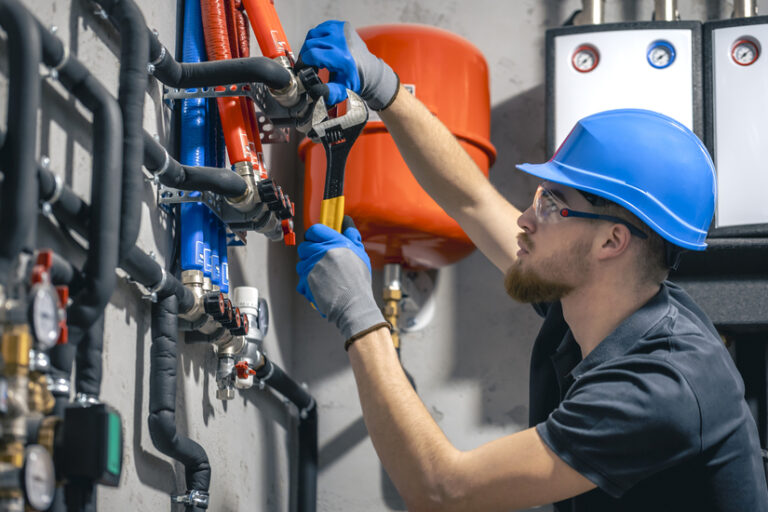
It relies on an expansion vessel, which is a bit like a pressure tank that’s got a flexible membrane & an air bladder inside.
As heated water expands, the tank absorbs some of the extra pressure. If that vessel starts to fall over, essentially if it’s not working properly, any small leaks of water into the system can send the boiler’s pressure gauge shooting upwards in no time.
It generally runs safely for most UK boilers at a cool 1 to 1.5 bars & only rises slightly as it does its rounds, cycling through the heating system.
But if you’re consistently seeing the pressure creeping up, especially if you’ve not touched the filling loop, it’s a sign of something being out of balance inside your system.
Clear Signs The Boiler Pressure Is Too High
The easiest giveaway is the gauge itself. If the pressure is too high, you’ll typically see:
- The needle is sitting well above the “green zone”
- The gauge rises sharply when the heating turns on
- The boiler is locking out with an overpressure code
- Drips from outdoor pipework connected to the pressure relief valve
- Radiators are hissing at the radiator valves due to strain
Any combination of these signs suggests the boiler is compensating for more pressure than it should.
Is High Boiler Pressure Dangerous?
Not right away, but eventually it will become a problem.
Boilers have pretty good safety features built in, but when the pressure gets high, we’re talking around 3 bars, the system starts to react.
The pressure relief valve might kick in and start releasing water, the seals can start to weaken, and in the worst-case scenario, the components inside the casing can start to overheat.
If you start to notice water leaks, electrical noises, or a burning smell, then turn the boiler off, pronto, and forget about trying to do it yourself. These are not jobs for the faint of heart.
Safe DIY Checks: No Touching Gas Components
This section covers all the tasks that don’t require opening up the boiler casing or messing around with any of the combustion-related parts. They’re safe, simple, and will give you a good idea where the high pressure is coming from.
1. Make Sure The Gauge Is Showing The Right Reading
Analogue gauges are notorious for sticking. If you give the dial a little tap, that might sort it out.
This won’t actually fix the high-pressure problem, but it’s a quick way to rule out a dodgy gauge before you start looking elsewhere.
2. Check That The Filling Loop Isn't Half Open
A half-open filling loop is probably the most common cause of high pressure. If you’ve got an external loop, turn both valves to the fully off position.
You’ll typically know it’s working when you turn it the other way (anti-clockwise) and the water starts flowing in, so make sure you’re going the opposite direction.
Internal filling loops are off-limits to DIYers, they need to be left to the professionals.
3. Give Your Radiators A Good Bleed
Bleeding can help if the system is overfilled.
Opening the valve will let some air out, and a bit of water will be released, which helps bring the pressure back down naturally.
It’s a relatively safe step because you’re not messing around with the boiler itself.
But don’t go overboard, bleeding all your radiators excessively can take the pressure down too far, and then you’ll start thinking you need to add more water back in.
4. Test the Expansion Vessel From The Outside
The expansion vessel has a small Schrader valve on it, similar to a bike pump connection. Give it a quick press:
- If air comes out, the vessel still has some charge in it
- If water comes out, the membrane has failed (and you'll need to call an engineer in)
This is purely a diagnostic check, you can’t recharge or replace the vessel yourself.
5. Keep An Eye Out For Any Visible Leaks
If pressure is fluctuating, it’s often because the homeowner is unwittingly topping up the system with water. Keep an eye out for any small drips at radiator unions, towel rails, or pipework.
DIY Tasks You Should Never Attempt
These cross into gas safety, sealed combustion, and regulated components, strictly for professionals.
1. Don’t Open The Boiler Casing
Anything behind that panel is for Gas Safe engineers only. Internal access risks combustion imbalance and voids any boiler servicing agreements.
2. Don’t Recharge The Expansion Vessel
Although there are tutorials online, repressurising the vessel involves depressurising the whole system. Easy to cause pressure swings that stress the boiler further.
3. Don’t Replace Internal Valves Or Sensors
A failing PRV, stuck internal filling loop, or damaged pressure sensor are all internal components that shouldn’t be touched by unregistered individuals.
4. Never Adjust Internal Settings Or Bypass Controls
Altering internal pressure settings or flow parameters affects combustion quality. Never.
When To Call A Gas Safe Registered Engineer?
Some symptoms point straight to internal faults.
1. Expansion Vessel Failure
If the pressure rises rapidly every time the heating turns on, the vessel isn’t absorbing expansion anymore. Only an engineer can recharge or replace it.
2. Persistent Dripping From The PRV Pipe
A PRV that has opened once won’t reseal fully. Replacement is the only fix.
3. Internal Filling Loop Faults
If the boiler increases pressure slowly even when the external loop is off, the internal loop is leaking, which requires dismantling the boiler.
4. Pump or Circulation Problems
Poor circulation raises temperature and pressure unevenly. Engineers diagnose this through flow checks and system balancing.
5. Control Board Pressure Misreadings
If the boiler reacts to pressure that isn’t actually there, you’ll need repairs involving electronics, never DIY.
Common Causes Of High Boiler Pressure
Understanding why the pressure rises helps you avoid it in the future:
- Overfilling during top-ups
- Expansion vessel losing charge
- PRV stuck partially open
- Sludge restricting circulation
- Scale buildup inside the heat exchanger
- System design issues, especially in larger radiator circuits
Temperature swings during winter also change pressure more than you think.
Long-Term Prevention You Should Know
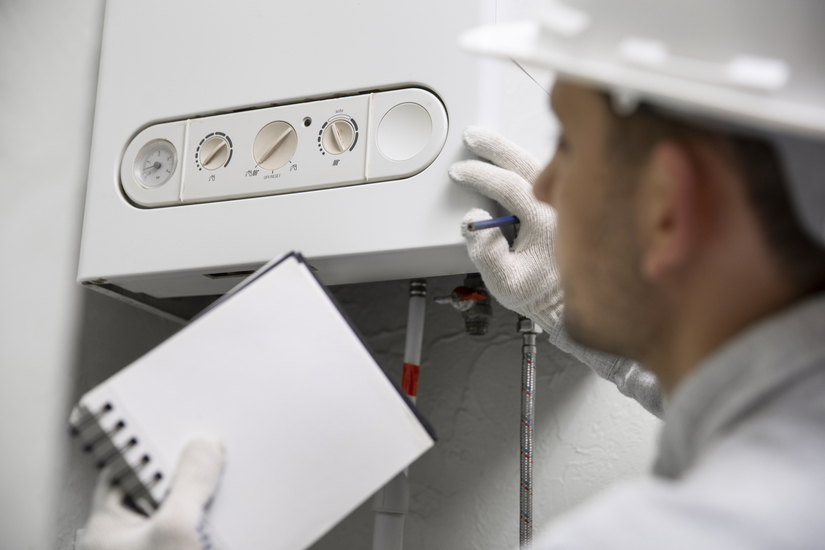
Regular checks matter more than most people think. Maintaining safe levels is easier when you:
- Monitor pressure monthly
- Bleed radiators once or twice a year
- Avoid adding unnecessary water to the system
- Fix small leaks quickly
- Prioritise annual boiler servicing
These simple habits keep both the boiler and the wider central heating system stable.
High-Pressure Myths About Gas Boiler
A few misconceptions often circulate:
-
“High boiler pressure is dangerous.”
It can be, but safety mechanisms prevent immediate hazards. -
“Bleeding radiators fixes every pressure problem.”
It helps only when overfilling is the cause. -
“Low pressure is worse than high pressure.”
Both strain different parts of the system.
How Gas Engineers Diagnose High Pressure
Professionals run multiple tests:
- Expansion vessel pressure test
- PRV function check
- Internal filling loop assessment
- Temperature differential tests across radiators
- Combustion and safety checks
- Leak tracing around hidden pipework
These steps pinpoint issues quickly without guesswork.
Subtle Signs Many Homeowners Miss
Pressure rising only when hot water runs, steady overnight drops, or dripping outdoors only during heating cycles all point toward deeper system issues. Warm patches on floors or walls may even signal hidden pipe leaks influencing pressure.
Cost Of Fixing Pressure Problems In The UK
Prices vary, but generally:
- Expansion vessel recharge: moderate
- Full vessel replacement: higher
- PRV replacement: fairly standard
- Severe internal leaks or control board problems: significantly more
Leaving high pressure unaddressed increases maintenance costs and shortens boiler lifespan.
Training Trade Professionals Safely
For plumbers and heating apprentices who want hands-on pressure diagnostics without risk, tradefoxapps.sitepreview.me offers simulation scenarios that replicate real central heating faults safely.
It’s an effective tool for learning system behaviour before stepping into real homes.
Bottom Line
High pressure isn’t instantly dangerous, but it shouldn’t be ignored. The safe DIY checks, gauge checks, bleeding radiators, and filling loop inspection are simple and external.
Anything involving the expansion vessel, PRV, internal loops, or the boiler casing belongs strictly to a Gas Safe registered engineer.
With consistent maintenance, early checks, and proper servicing, boiler pressure problems remain manageable and less costly long-term.