
Picture this. You’ve just bought a brand-new smart TV, settled down with a cuppa, and out of nowhere, there’s a thunderstorm.
Lightning cracks in the distance, and suddenly the screen flickers black. Done. Finished. £1,000 down the drain in a second.
That, in essence, is the type of scenario surge protection devices (SPDs) are designed to prevent.
They’re not glamorous, and they don’t get much attention compared to shiny solar panels or fancy EV chargers, but they quietly sit in the background of a building’s electrical system, acting as guardians.
And in today’s homes and businesses, where just about everything runs on delicate electronics, their role is more important than ever.
So, how does a surge protection device work? And why is it now considered a key part of electrical safety in the UK? Let’s break it down in a way that makes sense without drowning in technical jargon.
What Is A Surge Protection Device?
At its core, a surge protection device is a small unit designed to safeguard electrical systems and the equipment plugged into them from sudden voltage spikes.
These spikes, often called “transient overvoltages”, are short-lived but powerful surges in electrical energy.
They’re not the same as a trip from an RCD or a blown fuse. Those protect people and circuits from faults like overloads or earth leakages. SPDs, on the other hand, focus specifically on excess voltage.
Think of them like shock absorbers on a car. Day to day, the suspension doesn’t do much noticeable work. But hit a pothole without them and you’ll know about it.
And here’s the catch: today’s electronics are far more sensitive than the sturdy old machines of the past. The microchips in laptops, smart fridges, and even LED lighting, all of them are vulnerable.
That’s why the demand for SPDs has grown rapidly across UK households, offices, and commercial sites.
The Science Behind Surges
So where do these surges come from?
The obvious culprit is lightning. A strike, even one that doesn’t hit a building directly, can send a massive voltage surge racing through the mains supply. But lightning isn’t the only cause. Surges often occur due to:
- Switching operations on the National Grid.
- Large motors are starting and stopping in commercial environments.
- Faulty wiring or damaged power lines.
- Every day activity like turning on high-powered appliances.
To put it into perspective, a transient surge may only last a few microseconds. Blink and it’s gone.
But in that instant, the voltage can reach thousands of volts. The sensitive kit simply isn’t built to handle that.
The UK, in particular, has been seeing more of these issues with the rise of renewable energy systems and EV chargers.
They’re great for sustainability, but they can introduce additional electrical disturbances. And when you’ve got thousands of pounds’ worth of electronics at stake, leaving things unprotected is a gamble.
How Does A Surge Protection Device Work?
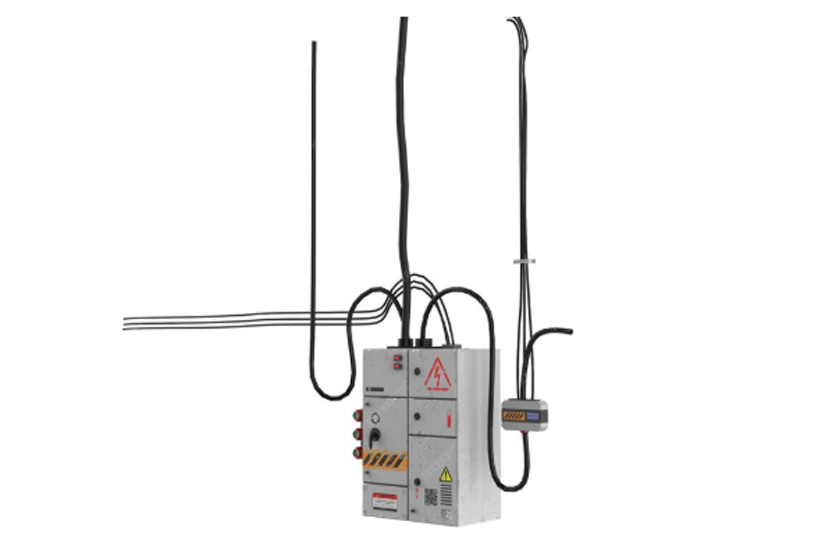
Let’s get to the heart of it. An SPD acts like a pressure release valve. Under normal voltage, electricity flows through your circuit uninterrupted. The SPD just sits there, passive, doing nothing.
When a surge hits, the SPD detects the excess voltage instantly and provides an alternative route, diverting the surge safely to earth. Instead of letting it fry your kit, it channels the unwanted energy harmlessly away.
Inside, the clever components make it happen:
- Metal Oxide Varistor (MOV) : This is the workhorse. It reacts when the voltage exceeds a certain threshold, switching from high resistance to low resistance and diverting current away.
- Gas Discharge Tube (GDT) : Often used alongside MOVs, especially in higher-level SPDs, these tubes can handle very large surges like those caused by lightning.
- Thermal fuses : They’re there for safety, cutting off the SPD if it overheats or degrades.
It’s a bit like having a bouncer at the door. Regular guests (normal voltage) come and go freely. A rowdy troublemaker (the surge) shows up? Straight out the back door before they cause chaos inside.
Types Of Surge Protection Devices
SPDs aren’t all built the same. UK regulations categorise them into three main types:
Type 1 SPD
- Designed to handle direct lightning strikes or high-energy surges.
- Usually installed at the building’s service entrance in larger commercial or industrial setups.
Type 2 SPD
- The most common type for UK homes and standard commercial installations.
- Protects against everyday switching surges and indirect lightning strikes.
Type 3 SPD
- Point-of-use protection, such as plug-in adaptors for TVs, computers, or gaming consoles.
- Best used as an additional layer, not a stand-alone defence.
In most modern UK homes, you’ll find Type 2 devices built into consumer units. In big commercial sites, electricians often combine Type 1 and Type 2. And for particularly sensitive equipment, say servers in a data centre, a Type 3 layer might also be used.
SPD And UK Wiring Regulations (BS 7671)
Here’s where it gets practical. Surge protection isn’t just a “nice to have” anymore; it’s written into the wiring rules.
The 18th Edition of the IET Wiring Regulations (BS 7671) made SPDs a requirement in many circumstances. For instance, they must be installed in:
- Public buildings (schools, hospitals, offices).
- Commercial and industrial premises.
- Anywhere where sensitive equipment or safety systems are in place.
In domestic properties, an SPD is required unless a risk assessment demonstrates it’s not needed. But considering the cost of modern electronics, and the relatively small price of an SPD, most electricians now recommend fitting them as standard.
From an installer’s perspective, ignoring this isn’t worth the risk. Compliance with BS 7671 isn’t just about ticking boxes, it’s about protecting clients and avoiding liability if things go wrong.
Real-World Applications
The theory’s all well and good, but SPDs prove their worth in real-life scenarios:
- Data centres : A single surge could wipe out racks of servers, leading to downtime worth millions. SPDs are non-negotiable here.
- Homes with EV chargers : With high-powered chargers becoming common, the risk of switching surges increases. SPDs help prevent damage to both the charger and the car’s onboard systems.
- Hospitals and schools : Service continuity is vital. SPDs help ensure life-saving equipment and IT systems remain operational.
Even insurers are starting to take note. Buildings fitted with surge protection may find it easier to make claims, or in some cases, qualify for reduced risk premiums.
Benefits Of Surge Protection Devices
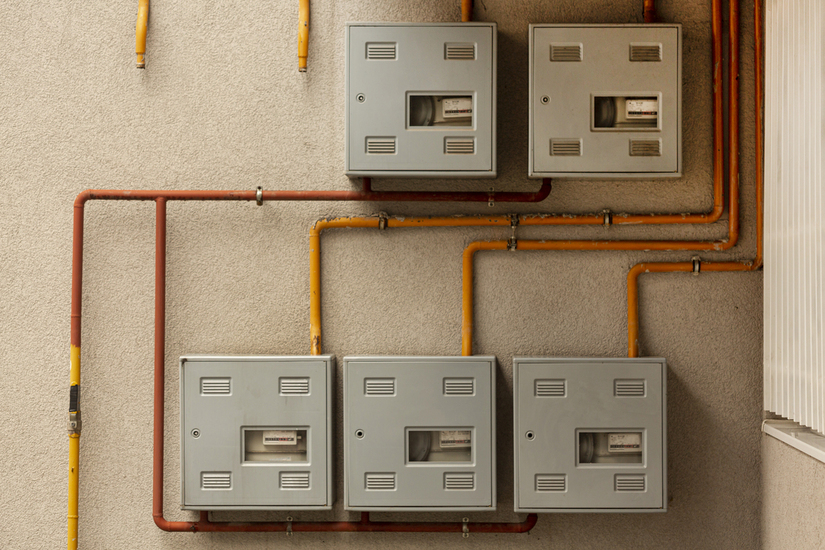
Why bother fitting one? The benefits speak for themselves:
- Protection of electronics and appliances.
- Lower fire risk caused by overheated equipment.
- Reduced downtime in workplaces.
- Long-term savings compared to the cost of replacing the damaged kit.
- Added value for properties, increasingly expected in modern installations.
Put simply, SPDs save hassle, time, and money.
Limitations And Misconceptions
That said, SPDs aren’t a silver bullet. It’s worth clearing up some common misunderstandings:
- They don’t prevent power cuts or voltage dips (brownouts).
- They degrade over time, especially after multiple surges, and may need replacing.
- They’re not a substitute for RCDs or MCBs, they work alongside them.
- Plug-in protectors alone aren’t enough for whole-property protection.
Think of them as part of a layered defence system. Not the whole army, but an essential unit.
Installation And Maintenance
While SPDs sound simple, proper installation makes all the difference. They should always be fitted by a qualified electrician. Key considerations include:
- Correct placement within the consumer unit.
- Ensuring a proper earth connection (without this, SPDs can’t work effectively).
- Choosing the right type of SPD for the environment.
- Regular inspection as part of routine electrical checks.
Most modern SPDs include indicators that show when the unit is no longer operational. Ignoring these signs means running unprotected, a mistake that could cost far more than a replacement device.
Training And Tools For The Trade
With electrical standards and technologies evolving, tradespeople need to stay sharp. That’s where simulation and training tools come into play.
Platforms like Tradefox App give electricians, plumbers, and apprentices a safe space to learn and practise real-world scenarios.
No risk of shocks or blown circuits, just practical experience that translates directly to the job site.
Conclusion
Surge protection devices might not be flashy, but they’re unsung heroes of modern electrical safety.
By detecting and diverting sudden voltage spikes, they protect everything from a family’s laptop to a hospital’s critical care equipment.
With the UK wiring regulations pushing them into the mainstream, SPDs are quickly becoming a standard feature in consumer units across the country.
And rightly so. In a world where our lives depend on fragile electronics, it’s not a question of whether you should have surge protection, it’s a question of whether you can afford not to.