

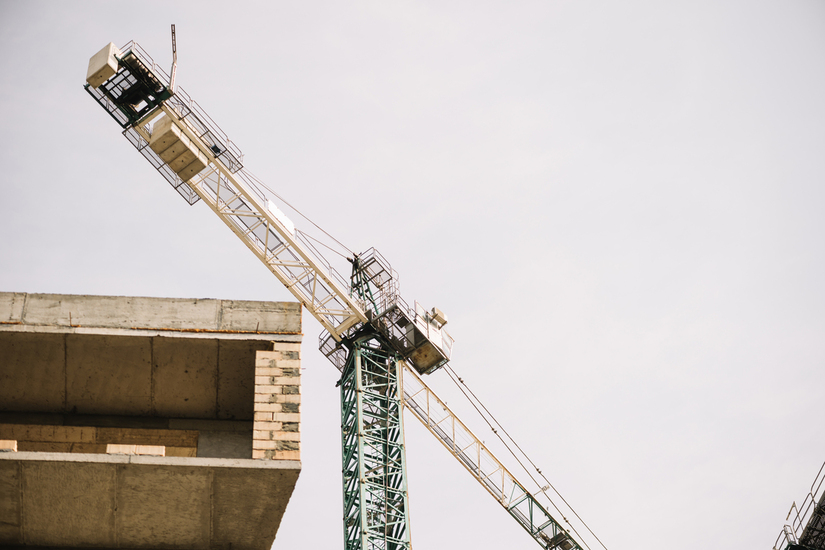
The UK construction sector is under more pressure than ever, pressure to build housing faster, meet net‑zero targets, plug skills gaps, and tighten budgets.
Traditional methods have served well, but they’re starting to creak under demand. The industry needs innovation, not just incremental tweaks.
Enter modern construction techniques. These approaches aren’t sci‑fi, they’re being used today to tackle real challenges.
They’re faster, leaner, greener. This isn’t just about getting clever with tools or materials. It’s a systemic shift: how projects are planned, built, managed and maintained is changing.
Clients expect delivery at speed. Councils expect carbon‑smart designs. Tradespeople expect safer, more efficient worksites.
These pressures are converging. And modern methods are becoming the answer. Not because they’re shiny. But because they actually solve the real‑world mess most sites face every day.
What Do We Mean By “Modern Construction Techniques”?
What’s being talked about when “modern techniques” get thrown around? It’s more than a buzzword. It includes:
- Off‑site manufacturing (modular, prefabrication)
- Digital tools (BIM, drones, project software)
- Sustainable materials (CLT, hempcrete, low‑carbon concrete)
- Automation (3D printing, robotics)
- Sensors and wearables on site
These aren’t futuristic pipe dreams. They’re active tools used in current UK builds. They shift work from muddy sites into controlled workshops or cloud‑based planning systems.
More importantly: they reduce risk, waste and uncertainty.
Here’s the catch, traditional builds still dominate. But across housing, commercial, health and education sectors, uptake is accelerating. Why? Because the benefits are visible. Faster handovers. Fewer defects. Lower carbon. And fewer site constraints. For UK builders facing labour shortages or inclement weather, they’re game‑changers.
Off‑Site Construction & Modular Methods
Off‑site methods involve building elements, or even entire units, in factories.
Then trucking them to the site and slotting them into place. It sounds simple. But it flips traditional construction on its head.
Why it’s taking off:
- Speed. A module built indoors doesn’t suffer rain delays.
- Quality. Weather‑proof conditions mean tighter tolerances and better finishes.
- Disruption reduction. Especially in urban infill sites, noise and delivery issues decrease.
- Waste control. Factory environments manage materials more efficiently.
UK firms are pioneering this. Legal & General Modular Homes pushes out replicable houses, while Tide Construction’s modular towers in London appear almost overnight. These aren’t sheds, think full‑scale one‑bed flats lifted into position.
That said, it isn’t a panacea. Transport logistics can be complex. Planning approval for a modular sometimes takes longer, because local authorities aren’t familiar with it.
But once on site, speed and efficiency shine. And for housing targets that London and other cities are chasing, this approach is increasingly compelling.
Digital Transformation: BIM, Drones, And Site Tech

The digital transformation in UK construction is no passing phase. It’s a shift from reacting on site to planning digitally beforehand.
BIM (Building Information Modelling) lets architects, engineers and contractors collaborate in a single 3D environment.
Conflict detection, energy modelling, sustainability forecasts, all happen before a spade hits ground. That avoids costly surprises later.
Then there are drones. They’ve replaced manual surveying in many cases. Roof inspections, progress tracking, site mapping, they’re faster and safer. Especially handy on large sites or confined towns.
Other tech: AI‑powered scheduling tools, live snagging apps, cloud‑based document management.
Dig a little deeper and you’ll find digital twins being used on big UK infrastructure projects like HS2 cross‑site coordination. The digital layer helps flag issues early, reduce rework, and keep budgets tighter.
True, smaller firms aren’t cloud‑native yet. But even if they’re adopting parts, a shared drawing or digital site log can make all the difference on daily coordination and snag resolution.
Sustainable Construction Techniques Changing The Game
Modern construction isn’t just about speed. It’s increasingly about sustainability. UK regulations and Net Zero 2050 goals push builders toward greener choices.
CLT (Cross‑Laminated Timber) is growing fast. Strong, lightweight, and carbon‑sequestering, it’s used for mid‑rise flats, schools, even commercial offices.
Hempcrete and low‑carbon concrete pop up in more niche projects. Aerated blocks, recycled aggregates, and green recipes reduce environmental impact.
The logic is simple: If a material stores carbon or reduces CO₂ in manufacture, it contributes to environmental goals.
Combined with airtight build techniques, solar‑integrated facades, and passive house principles, modern techniques can get buildings close to zero operational energy.
Waste‑reduction innovations matter too. Some firms operate circular‑economy models, off‑cuts become reused components, or waste‑to‑energy schemes power site offices.
Clients and councils are now specifying low‑embodied carbon thresholds. Architects love smart materials. Developers demand lifecycle cost savings. Builders, who must stay competitive, are adapting.
3D Printing And Robotics In Construction
3D printing and robotics are still niche, but progressing fast in UK R&D. Concrete printers that print formwork or even entire walls are emerging from universities and pilot schemes.
Robotic bricklaying arms reduce repetitive strain injuries and offset shortages of skilled labour. They don’t replace brickies, but they work alongside them, especially for large social housing sites needing consistent output.
That said, widespread roll‑out still faces hurdles. Planning and building control rarely have established standards for printed structures. Normalising these methods requires more case studies and clearer regulatory pathways. Yet momentum is building, literally. With robotics and printing trial projects underway across UK universities and tech parks, the potential is real.
How These Innovations Tackle Industry Pain Points

Why the push for modern methods? Because they resolve stubborn industry issues:
- Labour shortages.Tech lets fewer people do more, or shift skilled labour into less repetitive roles.
- Budget and schedule overruns. Digital tools and factory production add predictability.
- Urban constraints. Modular works well in small London sites or tight urban footprints.
- Health & safety. Drones and remote sensors reduce risky site visits.
Covid wasn’t gentle, it disrupted supply chains and made dense sites living hard. Builders responded by accelerating tech adoption. Remote coordination, off‑site fabrication, digital handovers, they’re here to stay. What once felt futuristic now feels mandatory.
Skills Shift: The Workforce Of Tomorrow
Trades won’t vanish. But their tools will evolve. Electricians or plumbers might work alongside digital plans, VR models, even robots. Data literacy is becoming as important as hammer handling.
Construction education and apprenticeships must keep pace. Not just in building craft, but in digital collaboration. People need to know how to read BIM files, use tablet‑based snag apps, or interpret 3D models on site.
Simulation training platforms are a perfect fit. Platforms like Tradefox let apprentices and tradies practise tasks in a virtual environment. It’s low risk, effective training. Before stepping foot on site, skills can be sharpened in safety. And that makes site work safer, smarter, more effective.
Challenges Holding Back Wider Adoption
Still, rollout isn’t friction‑free.
For many SMEs, upfront investment is a recurring barrier. New factory lines, software licences or robotics cost money. Risk averse firms stick with tried and tested methods.
Resistance to change is real too. Traditional builders know their ways. New tech can feel intimidating or unnecessary until proven on their patch.
Regulation and planning rules sometimes lag behind innovation. Approvals for modular or 3D printed structures can take longer because processes aren’t in place yet.
Lastly, training gaps persist. Older workers might find digital systems daunting. Digital literacy, or lack thereof, remains a limiting factor, not just for young recruits but across entire site teams.
Final Words
Modern construction techniques aren’t optional extras. They’re essential tools for building faster, safer, greener in the UK context. The industry is already moving beyond bricks and mortar into digital, off‑site, and automated systems.
What matters now is mindset. The tools exist. The voices advocating adoption are louder. What’s needed is confidence, confidence from clients, councils, tradespeople, and developers.
A future build landscape that’s lean, efficient, and sustainable isn’t distant. It’s happening now. And the UK stands at the front of that wave. Building smarter is no longer a choice, it’s the standard.