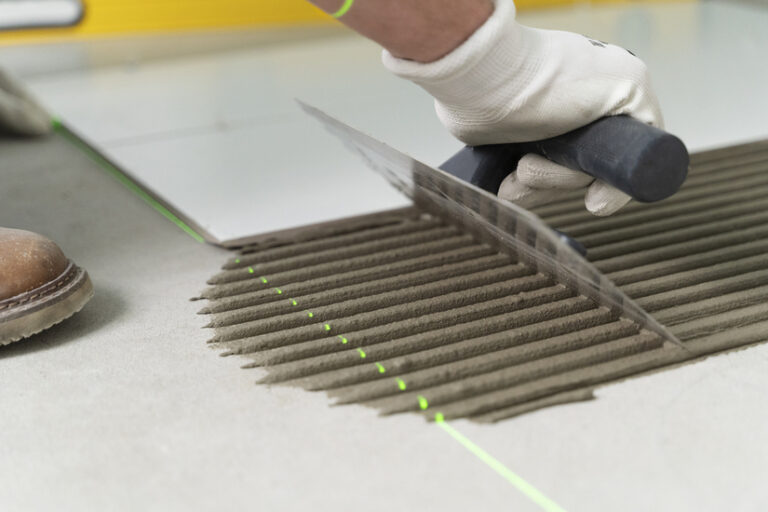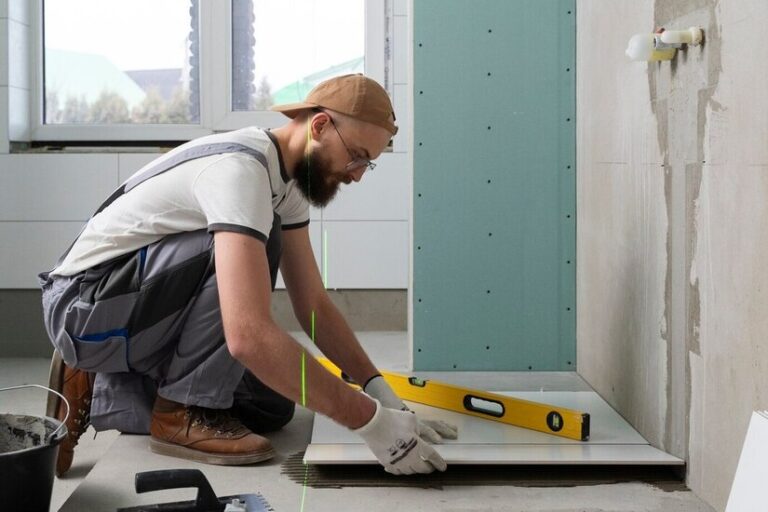

Porcelain looks great when installed. Clean edges, tight joints, and a perfect finish can make a wall or floor appear to be from a high-end showroom.
But ask any tradesperson what they hate most about porcelain, and most will say the same word: drilling.
Porcelain is beautiful but unforgiving. It’s dense, vitrified, and has no give. If you get the wrong bit, the wrong pressure, or a bit too much speed, the tile will chip, sometimes just enough to be noticeable once the fitting is in place.
This guide explains the professional approach: the right drill bits, how fast to run them, and the small but important habits that keep holes clean and edges crisp.
Understanding Porcelain: Why It’s Tougher Than It Looks
Porcelain isn’t your run-of-the-mill ceramic. It’s fired at higher temperatures, so it’s fully vitrified and almost glass-like in hardness. That’s why it shrugs off water and foot traffic so well, but also why it resists drilling.
Unlike softer ceramics, porcelain has no porosity. Masonry bits overheat fast and burn out. Even if they make it through, the heat buildup can cause microcracking that spreads later. The material won’t “self-clean” dust from the hole, so bit glazing becomes another issue.
The moral of the story? You don’t muscle through porcelain. You let the right bit and a controlled process do the work.
Choosing The Right Drill Bit
A good finish starts before the drill even touches the tile. The bit is 90% of the outcome.
Diamond-tipped Drill Bits
For porcelain, this is the gold standard. Diamond-tipped bits don’t cut in the traditional sense; they grind through the glaze and body at a microscopic level.
- Dry core bits: For small, controlled holes (up to 12mm). Used when water cooling isn’t practical, such as on vertical walls.
- Wet core bits: For larger holes, think 22mm to 70mm, often used for pipe penetrations or shower valves. Continuous water cooling keeps them sharp and clean.
A diamond bit may cost more upfront, but anyone who’s ruined a tile knows it pays for itself in one job.
Carbide-Tipped Bits
Useable in a pinch but not ideal. They’ll handle thin, soft porcelain tiles, but they wear out quickly and glaze. For professional results, they’re more of a backup than a main tool.
Size And Compatibility
Most tradespeople in the UK work with standard shank sizes that fit cordless rotary drills or SDS machines. The key rule: no hammer mode, porcelain won’t survive the impact. Stick to rotary only.
A quick trick: apply a strip of masking tape or use a tile guide jig to stop the bit from wandering at the start. Many seasoned fitters keep both in the van.
Speed, Pressure, And Cooling: The Balancing Act
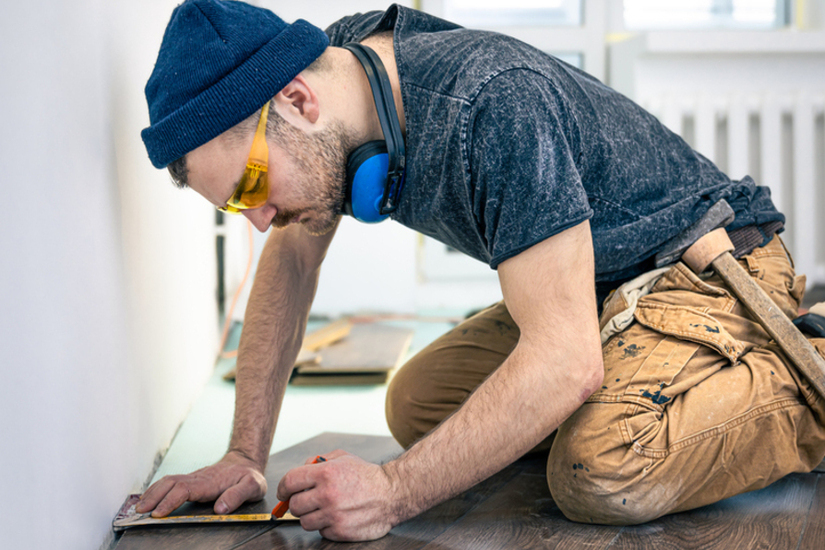
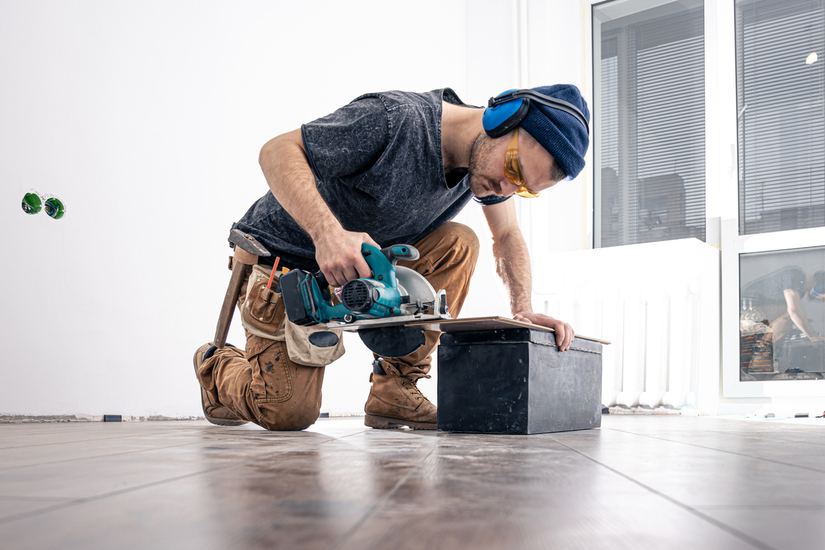
Drilling porcelain isn’t about brute force; it’s about control. Three things matter most, speed, pressure, and temperature.
Speed
High speed generates friction, and friction generates heat. Heat kills both bits and tiles. Go slow, around 400-600 RPM for small bits, lower for larger diameters. Cordless drills with variable speed triggers are perfect for this.
Pressure
Let the diamonds do the work. Gentle, consistent pressure is key. Forcing the bit speeds up wear and risks chipping once you break through.
Cooling
Porcelain tiles absorb heat like stone. Water cooling stops both the bit and tile from overheating. Pros use a damp sponge held beneath the bit or a simple spray bottle.
Others create a “putty dam”, a small ring of plumbers’ putty around the hole that holds a puddle of water over the drilling area.
If you see smoke or hear squealing, stop immediately. You’re too hot.
Step-By-Step: Drilling Porcelain Like A Pro
1. Mark Your Spot
Measure twice. Tiles hide pipes and cables behind them, so scan first. Mark the drilling point with a pencil or a small cross of masking tape. The tape gives the bit a slight grip.
2. Secure The Surface
If you’re drilling a loose tile (before fitting), back it with scrap timber. On walls, make sure it’s well supported to avoid vibration.
3. Start Gently
Set the drill to rotary only. Angle the bit slightly to “bite” into the glaze, then straighten up once it starts cutting. This stops the bit skidding across the surface, something even old hands forget in a hurry.
4. Keep It Cool
Use a steady drip or spray of water, or press a damp sponge underneath to feed moisture to the bit. As soon as you feel resistance build, back off and let it cool.
5. Patience At The Finish
As the bit nears the back of the tile, lighten the pressure even more. The final millimetre is where chips usually form. Slow down, let the last grains of porcelain crumble away.
6. Clean Up
Rinse away slurry and debris. A quick pass with fine-grit sandpaper or a diamond pad tidies any micro-chips if needed.
Done right, you’ll have a perfectly smooth hole with no star cracks and no burnt glaze.
Avoiding The Common Pitfalls
Most failures are due to impatience or the wrong kit.
- Using hammer mode. Instant tile death.
- Skipping cooling. Bits glaze over; tiles overheat.
- Pressing too hard. Forces the bit to “grab” and chip.
- Drilling at full speed. Heat builds exponentially.
- Forgetting PPE. Porcelain dust and slurry can irritate skin and eyes.
- Ignoring what’s behind the wall. Always use a detector before committing.
Even pros get caught out by worn bits. Diamond tools degrade slowly, they still cut, but less cleanly. If you see dull grey glazing on the tip, retire it.
When To Hand It Over To A Specialist
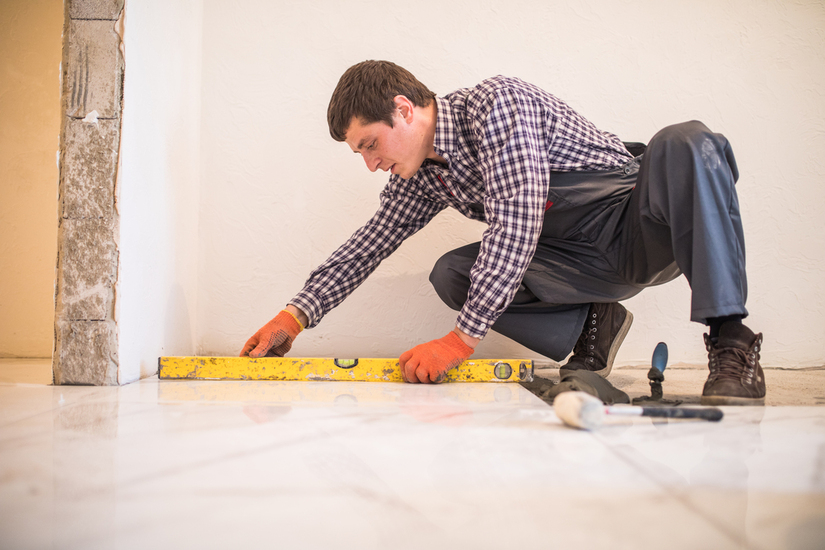
Most holes, screws for clips, and small pipe outlets are easy once you have the right technique. But some situations are better left to tiling or plumbing specialists.
Large format slabs (the 1200 × 600 mm trend) are unforgiving. One crack can mean a full replacement. Same with holes for heavy fixtures, wall-hung toilets, basins, or grab rails, need to be accurate to the mm.
If you’re drilling into expensive porcelain or need multiple matching holes, a tradesperson with a drill stand and water-fed bit setup will do it faster and cleaner. The cost is usually less than the time and risk of one cracked tile.
Advanced Techniques For A Perfect Finish
Seasoned tilers often develop their own small tricks to make drilling safer:
- Use a suction drill guide to lock your starting point in place.
- Alternate dry and wet drilling if the bit supports it, dry for the glaze, wet for depth.
- Clear the dust pocket every few seconds to keep the bit cutting freely.
- If drilling repetitive holes, use a variable-speed stand or bench press setup. It saves fatigue and keeps accuracy sharp.
These aren’t gimmicks, they’re time-savers that separate tidy work from top-tier work.
Safety And Compliance
While there’s no specific UK regulation for tile drilling, the Provision and Use of Work Equipment Regulations 1998 (PUWER) still apply. In short, use the right tool, maintain it properly, and make sure you’re competent in its use.
Electrical safety matters too. Mains drills in bathrooms or wet areas are a no-go unless protected by an RCD. Keep cables clear of water, and dry the work area afterwards.
Dispose of porcelain dust responsibly, it’s fine particulate, so don’t wash slurry straight into drains.
Training And Skill Development
Drilling porcelain might seem like a small skill, but it defines craftsmanship. Understanding pressure, temperature, and speed balance doesn’t just protect tiles, it refines your control over every power tool you use.
For those who like to practise without risk, platforms like Tradefox simulate real trade scenarios, plumbing, electrical, and construction, letting you build precision and confidence without damaging actual materials. It’s a smart tool for apprentices or even seasoned pros keeping their edge.
Conclusion
Porcelain doesn’t forgive shortcuts. The only way to drill it cleanly is through respect for the material, the tools, and the process.
Slow speed, minimal pressure, and constant cooling. Every successful hole is a quiet lesson in patience.
When done right, the result speaks for itself: a clean, glass-smooth edge with no chips, no burns, and no stress marks.
That’s the mark of a tradesperson who knows their craft and treats every tile like it’s the finishing piece of the job.