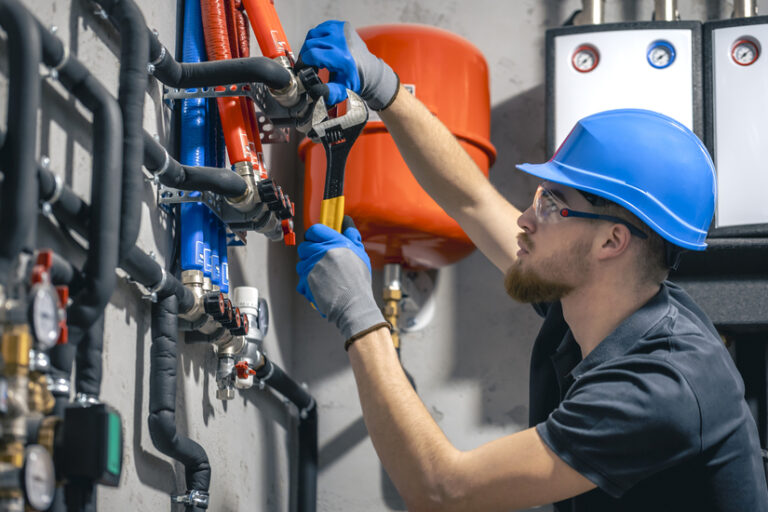

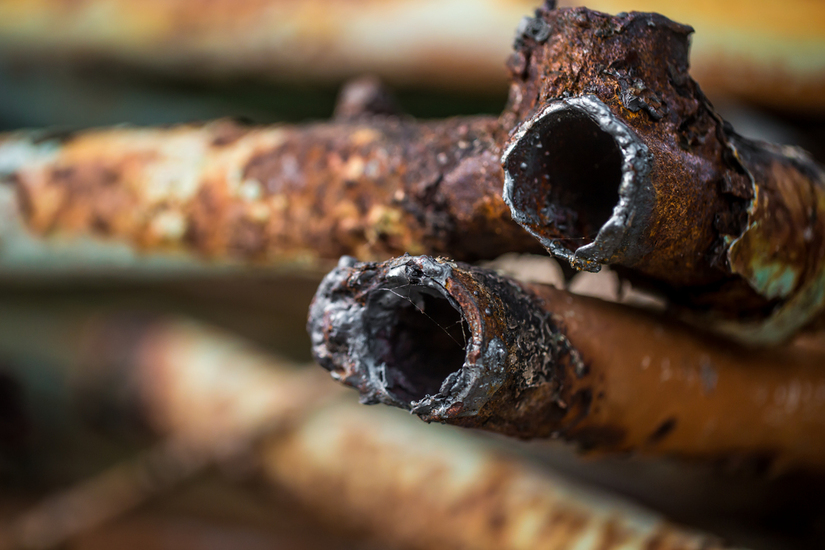
It always starts the same way, a suspicious puddle under the sink, a dark patch spreading across the ceiling, or that slow, rhythmic drip that sounds louder at night. Cracked pipes don’t exactly announce themselves with fireworks. They sneak up quietly, catching most homeowners off guard.
And in the UK, where we’re blessed aging plumbing systems (especially in older properties), this kind of surprise isn’t rare.
Add a sudden cold snap or relentless water pressure, and bingo, you’ve got yourself a cracked pipe.
Now, here’s the good news: a cracked pipe doesn’t automatically mean you need to rip out your entire plumbing system. Far from it.
In many cases, the right approach, paired with a bit of common sense and reliable tools, can keep things running without calling in a demolition crew.
This guide? It’s here to walk you through all of it. From spotting early signs and understanding what went wrong, to choosing the right temporary or long-term fix, and knowing when to rope in a professional.
Let’s get stuck in.
What Causes Cracks In Pipes?
There’s no single reason pipes crack, it’s usually a mix of stress, time, and environment. Here are the most common culprits:
- High pressure: UK water systems can experience surges, especially in urban blocks or terraced housing. Sudden spikes stress the pipe walls, which can lead to tiny cracks over time.
- Freezing temperatures: A proper winter freeze will cause any lingering water in pipes to expand. If the pipe can’t handle the expansion, it cracks. Classic problem in loft spaces and external walls.
- Old pipework: Galvanised steel, lead, and even early PVC don’t last forever. As they degrade, they become brittle and more susceptible to cracking.
- Shifting ground: Especially in areas with lots of clay soil, slight movements in the earth can put uneven pressure on underground pipes.
- Corrosion or chemical exposure: Cleaning chemicals, hard water, or soil acidity can eat into pipe material from the inside out.
Understanding the cause helps shape your response, it tells you whether you’re dealing with a one-off hiccup or a symptom of something wider.
Early Warning Signs Of A Cracked Pipe
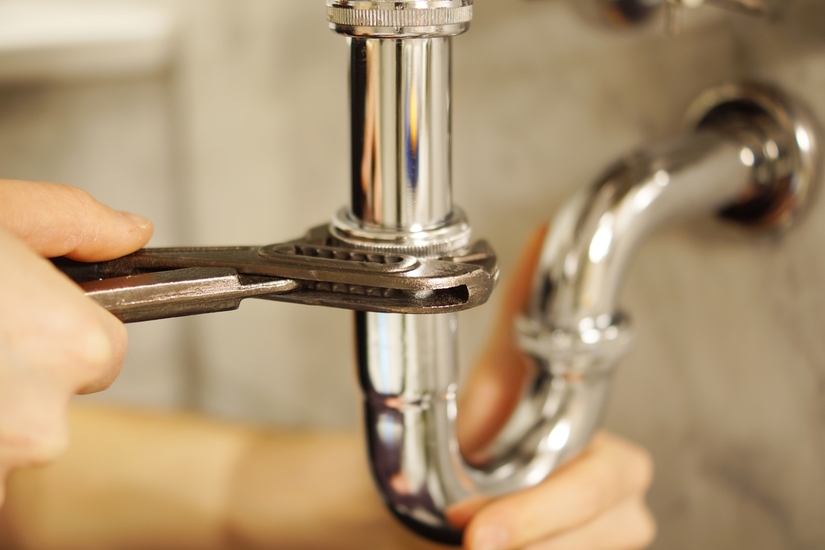
Don’t wait until there’s a full-blown leak. The earlier you catch a crack, the simpler (and cheaper) the fix. Look for:
- Water pressure drops – If your shower suddenly feels like a drizzle, you could have a crack letting water escape before it reaches the outlet.
- Unexplained damp spots – On walls, floors, or ceilings, especially in bathrooms or kitchens.
- Dripping or trickling noises – Heard behind the wall? That's water travelling where it shouldn't.
- Mould or musty smells – Stagnant water from a slow leak is a breeding ground for mould.
- Spike in water bills – Water escaping from a cracked pipe adds up fast, especially if it’s in constant use.
Tools And Materials For Temporary Pipe Repairs
Let’s be honest, calling a plumber at 2 AM isn’t always ideal or financially appealing. That’s where a solid temporary fix buys you time.
Here’s what you’ll want on hand in a basic plumbing emergency kit:
- Epoxy putty – Easy to apply and quick-setting. Great for small cracks and holes.
- Silicone repair tape – Flexible and waterproof. Wraps tightly and resists high pressure.
- Pipe clamps – Metal braces with rubber padding that pressurise and seal damaged areas.
- Rubber pipe connectors – Used to create a tight seal around damaged sections.
- Hacksaw and sandpaper – For smoothing the pipe surface and cutting away corroded bits.
- Bucket and towels – Because let’s face it, water will get everywhere.
Each of these tools has a time and place. We’ll break down which to use based on the crack you’re facing.
How To Fix A Cracked Pipe Without Replacing It
Step 1: Shut Off The Water Supply
Sounds obvious, but it’s often missed in panic. Shut the water off at the mains. Open the lowest tap in your home to drain excess water out of the system.
Step 2: Dry And Clean The Pipe Surface
You can’t seal what you can’t stick to. Dry the area thoroughly with a cloth. Use sandpaper to smooth the pipe surface so your materials (putty or tape) adhere properly.
Step 3: Assess The Damage
-
Small cracks or pinholes? Go for epoxy putty or silicone tape.
- Wider fractures or breaks? A rubber patch with a pipe clamp will hold better.
- Long-term damage to older pipes? You might be looking at a partial pipe replacement (still not a full-system job).
Step 4: Apply The Fix
- Epoxy putty – Cut a piece, knead until uniform, then press into the crack. Smooth it over and wait for it to cure (usually about 10 minutes).
- Silicone tape – Stretch and wrap it tightly over the damaged area, overlapping layers as you go. It self-fuses and creates a watertight seal.
- Pipe clamps – Wrap the rubber over the crack and secure the clamp around it. Tighten with a screwdriver until the leak stops.
Step 5: Test The Fix
Once everything’s dry and cured, turn the water back on, slowly. Watch for any signs of dripping or moisture. If it holds? You’ve bought yourself time.
Knowing When To Call A Plumber
Temporary fixes are just that, temporary. Some cracks need proper professional intervention, especially if:
- The pipe is under high pressure (like mains supply or heating systems).
- The crack is near a joint or is hard to access.
- You've had to patch it more than once.
- The area stays damp even after sealing.
- You see corrosion, scale, or exposed wiring nearby.
Don’t wait for the ceiling to collapse. A qualified plumber will assess whether you need a partial re-pipe or a deeper system check.
Common Types Of Pipe Damage (And Their Fixes)
| Damage Type | Common Cause | Best Quick Fix | Long-Term Approach |
|---|---|---|---|
| Hairline Crack | Pressure, Age | Epoxy Putty | Pipe Sleeve Or Replacement |
| Pinhole Leak | Corrosion | Silicone Tape | Replace Section |
| Long Surface Split | Freezing | Clamp & Patch | Professional Repair |
| Joint Crack | Improper Install | Temporary Seal | Replace Joint |
| Burst Pipe | Pressure Surge | None-Shut Off Water | Full Section Replacement |
Pipe Material Matters: PVC, Copper, And More
A word on pipe material, because not every fix works for every type.
- PVC pipe: Easy to work with. Use compatible epoxy and connectors. Avoid heat-based fixes.
- Copper: Excellent durability but trickier to seal. Most clamps and tapes work, but epoxy may not bond as well.
- Steel: Less common these days, but still found in old UK homes. Prone to rust, temporary fixes won’t last.
- PEX and plastic: Often used in newer builds. Flexible, but must use correct push-fit fittings or sleeves.
When planning a future repair, match your material with the right connector or bonding agent.
How To Avoid Pipe Cracks In The First Place
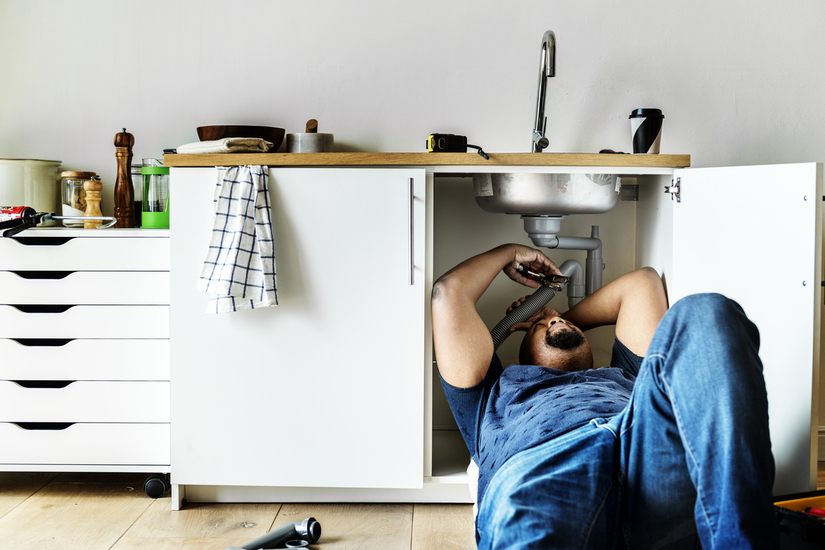
Prevention’s always cheaper than repairs. Here’s how to keep cracks and holes at bay:
- Insulate exposed pipes – especially those in lofts, garages, and external walls.
- Keep heating on low in winter – Prevents freezing in unused properties.
- Install pressure regulators – To reduce water hammer and spikes.
- Avoid chemical drain cleaners – These corrode pipes over time.
- Check joints annually – Loose connections are early warning signs.
- Replace old pipework in stages – No need to gut the house in one go.
If you’re a landlord or tradesperson, add these checks to your annual inspection routine.
Emergency Repairs: What To Do When Disaster Strikes
Water pouring from the ceiling? Pipe blown behind a wall?
Here’s your emergency action plan:
- Turn off the mains – Usually located under the kitchen sink or in a utility cupboard.
- Drain the system – Open all taps to get the water out.
- Contain the water – Buckets, towels, whatever you’ve got.
- Identify the source – If visible, inspect the crack or split.
- Apply a temporary fix – Use tape or clamps as needed.
- Call a plumber – Especially if damage is widespread.
Quick thinking saves money, prevents long-term rot, and keeps your insurance happy.
Add To Your Toolkit: TradeFox Simulation App
If you’re a UK tradesperson or even a DIY enthusiast looking to sharpen your pipe repair skills safely, there’s a brilliant solution.
TradeFox is a simulation-based learning app designed specifically for electricians, plumbers, and other trades. It lets you practise complex fixes, like pipe repairs under pressure, without risking real-world damage or injury.
The app’s particularly useful for mastering emergency repairs, understanding different materials, and improving your response in high-risk scenarios, like construction sites or tight indoor spaces.
Think of it as your practice ground before you pick up real tools.
Final Thoughts
Cracked pipes are more common than you think. And while they can cause a serious headache, they don’t have to drain your wallet or your sanity. With the right tools, a bit of know-how, and a calm approach, you can stop the leak and stabilise your plumbing without replacing everything in sight.
Whether you’re patching a PVC pipe in your kitchen or handling a burst under the floorboards, the key is to act quickly and fix smart. And when in doubt? Don’t hesitate to call the pros.
Better a small invoice now than a flooded house later.