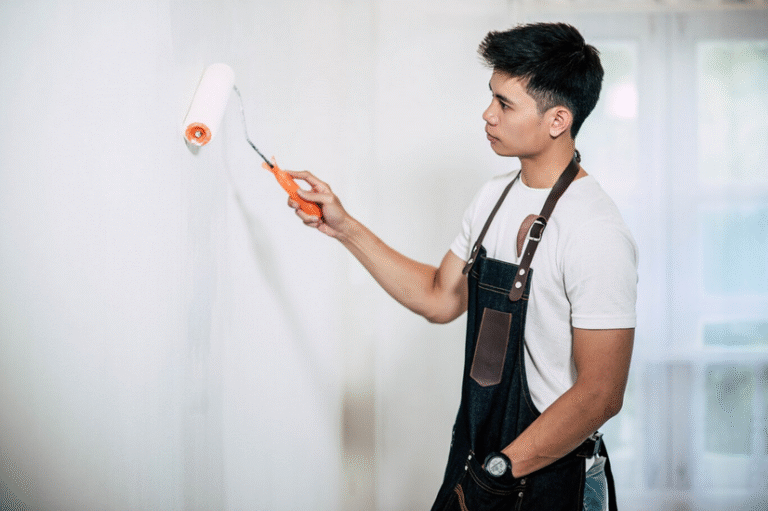

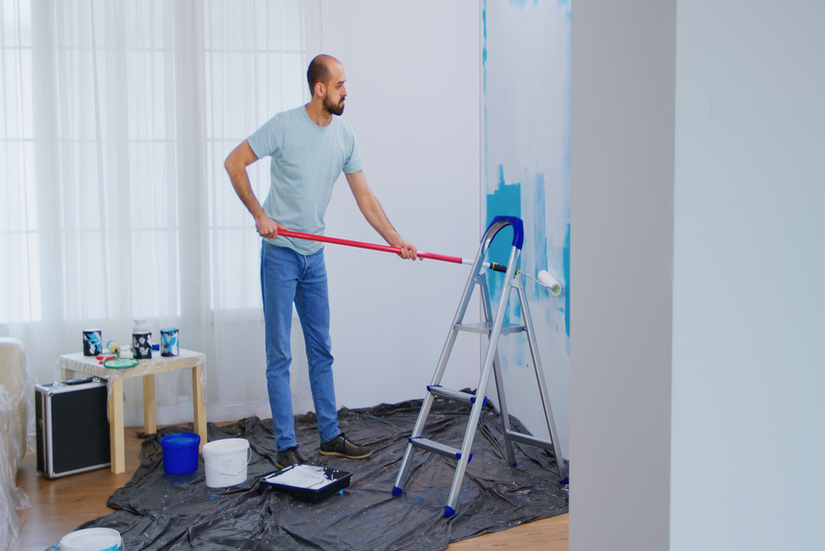
Ever seen a beautifully painted wall crack and peel in months? That’s usually due to skipping prep. Think of painting like playing sports, you can have the best gear, but if you haven’t warmed up, injuries happen. Walls need the same foundation.
When you prep walls for painting, you’re building that warm-up routine. A smooth surface ensures paint adheres properly.
Without it, you get patchy coverage, bubbles, or paint pulling off in strips. Grease, dust, and moisture, all these uninvited guests love to wreck your finish.
On kitchen walls, for instance, the grease from cooking clings tightly. You can’t just slap on paint and hope for the best.
You need to clean it first. In living rooms, cracked plaster or holes from picture hooks mean a lumpy finish later. You’ve got to fix them before they show through.
Prep isn’t optional, it’s the secret behind that ‘just-painted’ glow that stays for years. It’s about respect: for your craft, the space, and the people who live or work there. So, let’s break down each step, cleaning, repairing, and priming, so your next job not only looks good, but lasts the distance.
Assessing The Wall Surface
Before grabbing a brush, slow down. Walk around the space. Look at walls under different lights, natural light, bulbs, and even shadows. What stands out?
- Cracks and holes: Hairline cracks can expand; larger ones need filling and reinforcing.
- Peeling or flaking paint: It won’t bind with new coatings.
- Stains and grease: Often on kitchen walls, stubborn spots need attention.
- Damp spots: Especially near windows or bathrooms. Moisture weakens paint adhesion.
- Uneven texture: Old roller marks or patched areas show more under certain lights.
Try the tape test: press a piece of low-tack painter’s tape onto the wall. Pull it off. If chunks of paint come with it, that’s a red flag.
Test a small section by wiping with a damp cloth; a damp cloth wave will reveal whether the surface soaks up the water or beads it. Beading indicates glossy or unclean spots that need deglossing or cleaning.
This stage sets your project’s tone. If you skip it, you’re lucky to catch problems till the final coat when it’s too late. Investing time now saves headaches and callbacks later.
Surface Cleaning: The Foundation Of Prep
If walls could talk, they’d say thank you for a good cleaning. Cleaning walls before painting removes dust, oils, and grime that stop paint from bonding.
Step-by-Step Cleaning Process:
- Dust and vacuum: Start with a dry pass using a vacuum or microfiber cloth to pick up surface dust.
- Sugar soap wash (or mild grease-cutting detergent):
- Mix warm water with one part sugar soap.
- Sponge walls with a damp cloth, wringing regularly.
- Focus on kitchen walls or spots with cooking grease.
- Rinse with plain water afterward to remove residue.
- Tackling tough stains: For nicotine, mildew, or stubborn oil, mix one part bleach to four parts water. Wear gloves, ventilate, and rinse thoroughly.
- Change water frequently: You don’t want grime going back on.
- Let it dry completely, most surfaces take 2–4 hours, depending on humidity. No rush.
This stage is about removing invisible roadblocks. Even if your walls seem “clean,” they might be hiding residues or contaminants. For example, old wood smoke left a sticky film on walls that sucked up new paint like a sponge. A proper wash and rinse fixed that.
You’ll often hear seasoned painters say: “A wall is 80% paint and 20% prep.” That 20% is your cleaning step, the one that keeps your finish crisp.
Removing Old Paint: Strip Or Paint Over?
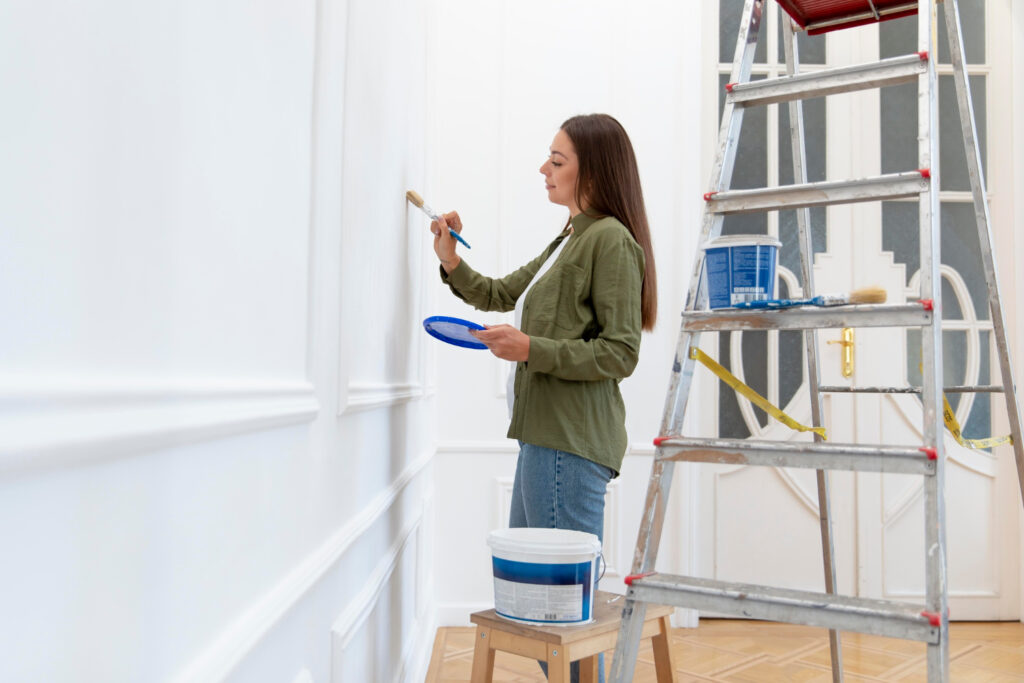
Got old, chipped paint on your walls? Time for a decision: strip it, or paint over it?
When to strip:
- Flaky, peeling layers
- Lead paint in older homes (get it tested)
- Oil-based paint beneath water-based options (will peel)
How to strip:
- Manual scraping: Use a flexible scraper; work from the bottom up. A sanding block later smooths edges.
- Sanding: Softens sharp edges and fades remaining sheen.
- Chemical strippers:, Use only in well-ventilated areas with protective gear. Good for thick, stubborn layers.
When you can paint over:
- Slight discolouration or sheen differences
- Well-adhered layers in sound condition
Tip: After applying primer, check for bubbles when the walls dry. If paint lifts easily, it’s stripping time.
Stripping is messy and slow, but it’s worth it. Loose paint translates to pricey redo jobs and unhappy clients. Invest the elbow grease now and enjoy compliments later.
Repairing Holes, Cracks, And Surface Imperfections
Once clean, it’s time to patch it up. Think of cracks and holes as wrinkles, leave them, and they’ll show no matter how many coats you apply.
Tools & Materials:
- Filler (interior wall spackle)
- Joint compound and mesh tape for deep cracks
- Sandpaper (120–220 grit)
- Putty knives, sanding block, and dust sheets
Filling process:
- Small holes: Fill with spackle, level off with a putty knife, let dry, sand smooth.
- Large holes: Layer of filler, embed mesh tape, and a top skim for reinforcing
- Cracks: Open slightly with a knife, dust out, fill, and tape if wide over 1–2 mm
- Sand each patch flush, the test is your hand swipe: if it feels smooth, it looks smooth.
Check your work with angled lighting, a handheld lamp reveals dips and bumps immediately.
You want a uniform, smooth surface: fresh filler meets existing wall without a hint of ridge or divot. That’s what stops shadows and odd-looking seams post-painting.
Sanding and Smoothing For Flawless Results
Some painters skip sanding, a big mistake. It’s like turning up to a boxing fight without gloves.
Why Sand?
- Helps the new paint grip properly
- Smooths roller lines and filler edges
- Removes lingering gloss
Sanding technique:
- Use 120–180 grit for filler areas
- 220 grit for final finishing
- When de-glossing, go with a light hand, you’re scuffing, not removing plaster
Tools:
- Sanding block with replaceable pads
- Pole or power sander for larger areas
- Eye and dust protection are mandatory
Dust control:
- Vacuum occasionally during sanding
- Wipe walls with a slightly damp cloth
- Finish with a tack cloth to pick up tiny dust specks
Skipping this means the paint won’t lie flat. Light reflection will pick up flaws immediately. The smoother your prep, the slicker your finish.
Masking & Protecting Adjacent Areas
Clean, smooth; now let’s protect.
- Masking tape on trim, architraves, and window frames
- Outlet switches:unscrew and tape, or use switch-size foam pads
- Cover floors and skirting with a dust sheet or plastic
- Use painter’s plastic over furniture within a two-metre radius
Paint comes with splatter. Misplaced drops stick like flypaper. Prep zones before priming and painting. Remove tape when the primer is tacky, not dry, it ensures clean edges, not peeling paint.
Think of it as zoning your battlefield; you don’t want your paint going outside the lines.
Choosing And Applying Primer
Primer is the unsung hero of painting, it evens out surface absorbency and hides stains.
Why use primer:
- Blocks grease, stains, and soot
- Ensures adhesion of filler patches and bare plaster
- Provides subtle colour undercoat, especially when switching shades
Primer types:
- Water-based acrylic primer: general use, low odour
- Stain-blocking primer: perfect for kitchens, laundry rooms
- Latex drywall primer: for new plaster or dust-heavy surfaces
- Oil-based primer: for smoke or tannin discoloration
Primer application:
- Stir well before use
- Roll on with a 10–15 cm roller nap
- Use a brush for edges and corners
- Let it dry fully before light sanding
- Wipe down with a tack cloth post-sand
You want a consistent “matte velvet” feel on walls after priming. If some patches appear glossier, they’ll show up after topcoat. Fix them now.
Final Walkthrough & Pre-Paint Checklist
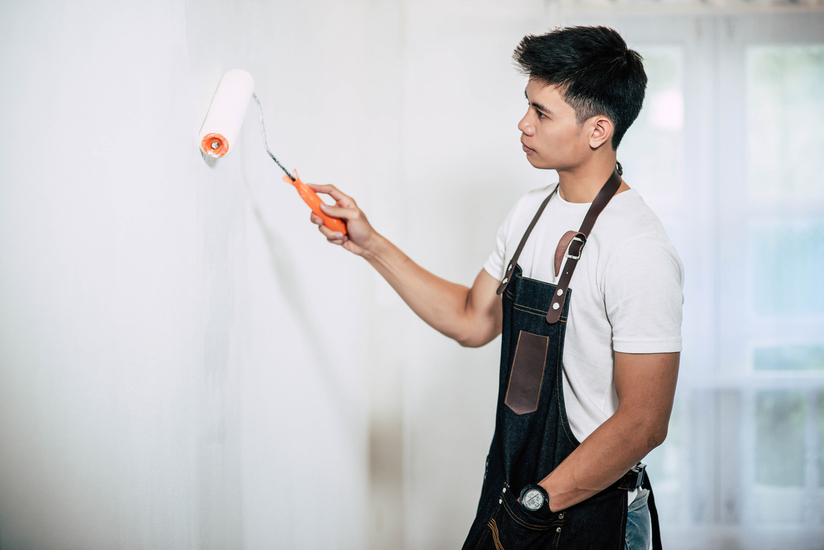
Before laying that paint, take five minutes for a walkthrough. Use light from an angle and a gentle hand-test of patches.
Checklist:
- Surface clean and dry
- Wall smooth, no bumps or ridges
- Edges masked, floors covered
- Primer dry, uniform sheen
- No dust or debris
If you spot a scuff or dust flake, sand lightly and vacuum. Every little imperfection shows up under bright white paint. This is the final filter before the big finish.
Bonus Tips from A Pro Painter
- Keep a sanding block handy, even mid-paint, edges love to swell
- Humidity kills drying time. Don’t paint in steamy conditions
- Kitchen walls deserve a second coat of primer before
- Always label mixed paint cans by room and date, future touchups get easier
Practice before You Paint With Tradefox
New to all this? Or just want to sharpen your craft? Check out Tradefox, a simulation platform for painters and decorators-in-training. You can go through prepping, patching, sanding, and priming, all in virtual rooms.
Mess up? No real-world cleanup, no ruined walls, just skills. Beginners especially get a jumpstart, and pros can rehearse tricky rooms before stepping in boots-first.
Conclusion
Properly prepping your walls is the unsung secret behind every stunning paint job. Whether you’re tackling a kitchen wall makeover or decorating interior walls across multiple rooms, taking the time to clean, repair, sand, mask, and prime transforms the end result. Good prep means fewer touch-ups, less peeling, and a finish that lasts.
Do it right, from cleaning to priming, and your walls speak volumes. Now grab your tools, sharpen your skills (maybe virtually with Tradefox), and prep like a pro. The paint is the easy part.