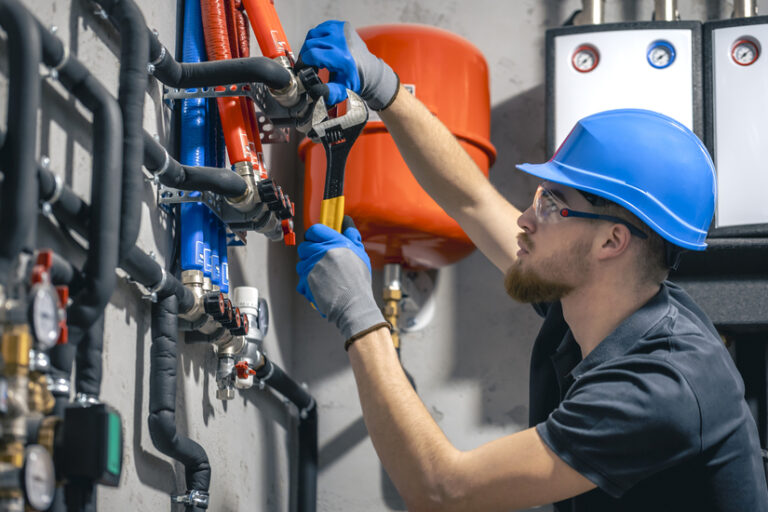

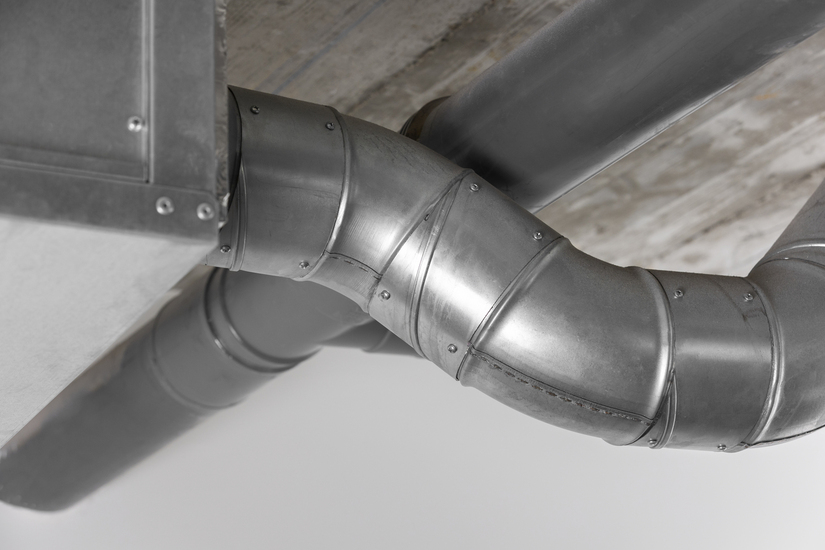
Pipe insulation might seem like one of those small, boring jobs, but in reality, it’s one of the most important parts of any heating system.
In the UK, with winters that can go below freezing, inadequate insulation doesn’t just cost money, it can cause burst pipes, wasted energy, and unnecessary system stress.
For plumbers, electricians, and heating engineers, understanding how to choose the right insulation thickness is key.
This guide provides clear tables, practical tips, and a UK-focused perspective to help tradespeople get it right the first time.
Why Pipe Insulation Matters?
The purpose of pipe insulation goes far beyond just covering pipes. Proper insulation gives three main benefits:
- Preventing freezing : Pipes exposed to cold environments or unheated spaces are vulnerable during UK winters. A frozen pipe can burst and cause costly damage and downtime.
- Energy efficiency : Insulated pipes lose less heat, so heating systems run more efficiently, use less energy, and save on bills.
- Pipe and system protection : Correct insulation protects pipes and heat exchangers from thermal stress, reducing maintenance and extending their life.
In many cases, even short runs of uninsulated pipe can cause big problems. The risk is highest for heating systems that transport hot water over long distances or through unheated lofts, basements, or garages.
Frost Protection Mechanisms
It’s not just about how thick the insulation is, you need to think about how it works in conjunction with your system design.
Pipes that are exposed to freezing temperatures rely on a combination of built-in frost protection & insulation to keep them safe.
Built-in frost protection might include putting pipes inside, adding a circulation loop, or just throwing some heat tape in the absolute worst-case scenario
The insulation itself acts as a thermal barrier, keeping a lid on how fast water cools and stopping the temperature from getting any lower than the freezing point.
But even with good insulation, if your system has gaps or it’s generally pretty poorly insulated, minor temperature drops can easily cause pipes to freeze and then, bang… you’re left with busted pipes.
So the key is to get the insulation right & work out a system design that actually makes sense together
Pipe Bore Sizes & Recommended Insulation
In the UK, pipe insulation thickness is generally determined by bore size and the expected environmental conditions. Below is a practical guide for common domestic and commercial pipe sizes:
| Pipe Bore (mm) | Domestic Heating | Commercial Heating | Frost Protection Recommended? |
|---|---|---|---|
| 15 | 12 mm | 19 mm | yes |
| 22 | 19 mm | 25 mm | yes |
| 28 | 19 mm | 25 mm | yes |
| 35 | 25 mm | 32 mm | yes |
| 42 | 32 mm | 32 mm | yes |
| 54 | 32 mm | 40 mm | yes |
| 67 | 40 mm | 50 mm | yes |
| 76 | 40 mm | 50 mm | yes |
| 89 | 50 mm | 63 mm | yes |
Domestic heating systems typically require slightly thinner insulation than commercial systems due to lower flow rates and smaller pipe runs. However, even domestic systems benefit from full coverage to prevent freezing in unheated spaces.
Factors Affecting Insulation Thickness
1. Temperature & Frost Risk:
Think north of the UK, or pipes stuck out in the elements, they’re gonna be at risk of getting iced up. So, the insulation needs to be up to the job.
2. Where The Pipe Is:
Lofts, garages, and basements are always colder than the rest of the house. If your pipe is in one of these spots, you may need to add a bit more insulation to stop the cold from creeping in.
3. System Design:
If your heating system is well and truly circulated with – say – heat tape or looping, you might get away with a bit less insulation, but only if you have some decent frost protection sorted
4. Energy Efficiency:
The thicker your insulation, the less heat it will lose, which saves you cash on your heating bills and makes the system more efficient
Tradespeople, you need to take all of these things into consideration when deciding on the right insulation thickness. If you leave one out, the whole thing falls apart.
Efficiency Gains From Proper Insulation
The benefits of correctly installed insulation go beyond preventing freezing. For example:
- A 22mm hot water pipe, 10 meters long, uninsulated, can lose up to 1.5 kWh of energy per day during winter.
- Proper insulation can reduce this loss by up to 75%, cutting energy consumption and heating costs.
- Heat exchangers maintain more stable temperatures, improving system efficiency and reducing strain on pumps and boilers.
Even minor improvements in insulation thickness can have a measurable effect on energy efficiency, particularly in commercial systems with multiple heat exchangers.
Preventing Burst Pipes
Burst pipes are one of the most disruptive and expensive problems in building maintenance. Proper insulation dramatically reduces this risk:
- Insulation prevents the water temperature from dropping below freezing.
- Complementary frost protection mechanisms, like heat tape or recirculation loops, enhance system reliability.
- Coverage must be continuous, including bends, valves, and junctions, as these are the most vulnerable points.
Failing to insulate even a small section of a pipe can result in a burst during sudden cold snaps, emphasizing the importance of comprehensive coverage.
Special Considerations For Heat Exchangers
Heat exchangers are particularly sensitive to temperature fluctuations. Insulating the connecting pipes provides multiple benefits:
- Minimizes energy loss
- Reduces condensation
- Protects against thermal stress
- Supports consistent flow temperature
In commercial applications, even a small improvement in pipe insulation around heat exchangers can significantly enhance system efficiency and lifespan.
Installation Tips For Tradespeople
Correct installation is as important as choosing the right thickness:
- Check Pipe Diameter First : Always match insulation to bore size.
- Cover Entire Pipe : Avoid gaps, especially at joints and bends.
- Secure Properly : Loose insulation reduces effectiveness.
- Consider Access Points : Valves and junctions need careful insulation.
- Review System Design : Pipes near heat sources may require less insulation, but exposure must be assessed.
These tips ensure frost protection, energy savings, and reduced risk of burst pipes.
UK Regulations & Standards
UK standards guide pipe insulation practice dictates the following rules:
- Approved Document L : Conservation of fuel and energy, including minimum insulation thickness.
- BS EN 12828 : Design and installation of heating systems with insulation guidelines.
- CIBSE Guides : Detailed recommendations for energy efficiency and frost protection.
Compliance not only ensures legal conformity but also guarantees better-performing heating systems.
Tools & Resources
Tradespeople looking to test insulation and system designs can benefit from tradefoxapps.sitepreview.me. This simulation app allows plumbers, electricians, and heating engineers to:
- Experiment with system designs safely
- Calculate optimal pipe insulation thickness
- Test frost protection mechanisms
- Evaluate energy consumption and efficiency gains
It’s a safe, practical way to build skills and confidence without risking damage to real-world systems.
Final Thoughts
Pipe insulation in the UK is about more than covering pipes, it’s about smart system design, frost protection, and energy efficiency.
Selecting the right thickness based on pipe bore size, environmental exposure, and system design protects pipes, reduces energy consumption, and improves system performance.
For tradespeople seeking to refine skills or experiment with insulation and heating systems, tradefoxapp is an invaluable tool.
Properly insulated pipes save energy, prevent freezing, and ensure peace of mind, making it a small investment with huge returns.