

Workplace equipment doesn’t fail in neat, tidy ways. A frayed cable, a missing guard, or a loose bolt can quietly set the scene for a serious accident. That’s why the Provision and Use of Work Equipment Regulations 1998 (PUWER) are at the heart of UK workplace law.
The regulations require employers not just to provide safe tools and machinery but to inspect, maintain, and record them actively.
But one of the biggest areas of confusion is inspection frequency. How often should checks be done? Who is a competent person? And what records will the HSE accept if they come knocking?
This guide explains it all. From visual to thorough inspections, to the evidence trail you need to keep, it’s a practical guide for anyone responsible for compliance.
Quick Refresher: What PUWER Covers?
PUWER applies to all equipment used at work, not just heavy machinery. From a handheld drill to a CNC milling machine, everything is covered. The law requires you to ensure that the equipment is:
- Suitable for its intended use.
- Safe to operate, maintain, and inspect.
- Operated only by trained people.
It’s worth clarifying PUWER against its better-known cousin, LOLER. While LOLER focuses on lifting equipment and lifting operations, PUWER covers all work equipment. Miss a PUWER duty and you’re still on the hook even if LOLER doesn’t apply.
Inspection Frequency: The Basics
One of the most annoying things about PUWER is that it doesn’t give you a neat inspection timetable. There’s no legal table that says “X machine = every 3 months”. Instead, it demands a risk-based approach.
The HSE expects you to consider:
- Type of equipment – A hand tool carries different risks than a woodworking saw.
- Work environment – Dust, moisture, or outdoor use accelerates wear.
- Intensity of use – A drill used daily on site will need more frequent checks than one in a rarely used store room.
- Manufacturer’s recommendations – These often provide minimum benchmarks.
In practice, this means high-use or high-risk kits should have daily visual checks, with formal, thorough inspections scheduled monthly, quarterly, or annually, depending on risk. The absence of fixed dates isn’t a loophole, it’s flexibility, but only if used responsibly.
Visual Inspections
Think of visual inspections as the first line of defence. They’re quick, informal checks to catch the obvious before it causes harm.
Examples include:
- Damaged or frayed electrical cables.
- Missing or loose guards on machinery.
- Obvious leaks, cracks, or wear.
These are done by the equipment operator. For a circular saw in a joinery shop, that’s the joiner at the start of each shift. On a construction site, it’s common to expect daily checks on portable electrical tools.
The point isn’t to write a long report. It’s to stop unsafe equipment from ever being turned on. Done properly, these inspections save time and money by catching faults early.
Thorough Inspections

Full inspections go deeper. They’re systematic, recorded, and often done at longer intervals. Unlike a quick visual check, they may involve removing guards, testing safety systems, or measuring wear on components.
A full inspection could include:
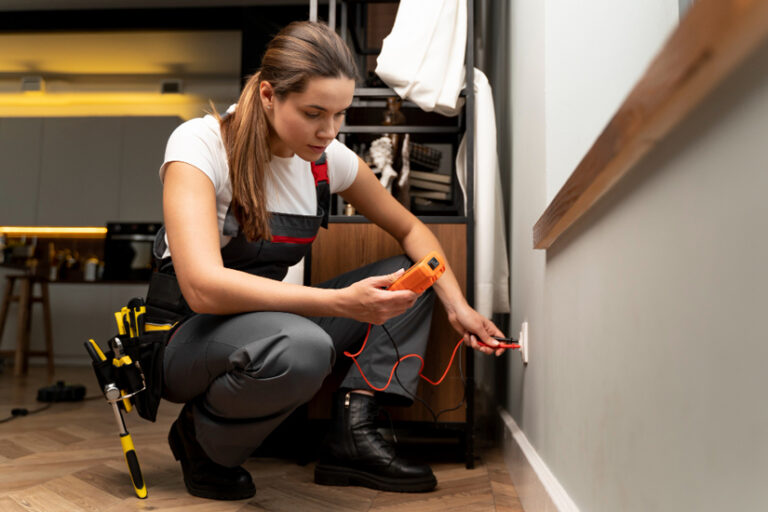
- Checking internal wiring or electrical resistance.
- Measuring brake function on machinery.
- Verifying emergency stops actually cut power.
- Ensuring guards and safety devices work under stress.
These are done by supervisors, in-house maintenance staff, or external inspectors, depending on the equipment.
Frequency varies. Some woodworking machinery in dusty workshops may need 6-monthly full inspections, while lower-use workshop kits may only need annual checks.
PUWER Reg 6 specifically highlights equipment exposed to conditions that cause deterioration, dust, vibration, moisture, as needing more frequent inspection.
An often overlooked trigger is post-repair or modification. Any time equipment is altered, a full inspection is required before it goes back into use.
What Does A ‘Competent Person’ Really Mean?
“Competent” is one of those regulatory terms that causes headaches because PUWER doesn’t define it with hard lines. In essence, competence means having sufficient knowledge, training, and experience to identify defects and assess safety.
That doesn’t always mean hiring an external engineer. For some equipment, an in-house technician with manufacturer training or years of hands-on experience will be competent.
For a more complex kit, say, a CNC machine or high-voltage system, independent specialists may be necessary.
Evidence of competence matters. This could include:
- Formal qualifications (e.g., City & Guilds, NVQs).
- Manufacturer or supplier training certificates.
- Documented history of working with specific equipment types.
Another subtle but vital factor is impartiality. For routine checks, a trained operator might be fine. For higher-risk equipment, competence also means independence, someone not directly invested in daily use, to avoid blind spots.
Record-Keeping & Evidence You Must Keep
Inspections that aren’t written down might as well not exist in the eyes of the HSE. Records serve two purposes: they prove compliance and they provide a reference point for tracking issues over time.
A solid PUWER record should include:
- Equipment ID and location.
- Date and type of inspection (visual or thorough).
- Details of defects found.
- Corrective actions taken.
- Inspector’s name and signature.
Formats vary. Some firms stick to logbooks, others use digital systems that can flag upcoming inspections automatically. Either way, the system should be consistent and accessible.
As for retention, the HSE doesn’t prescribe a hard timeline, but good practice is to keep records until they’re replaced by a newer entry.
For high-risk or critical equipment, many firms keep the full life history. In the event of an accident, those records often become the first thing investigators request.
Common Pitfalls Employers Make
Despite good intentions, many companies stumble in predictable ways:
- Over-reliance on annual servicing – thinking one big inspection a year ticks all boxes, while neglecting daily checks.
- Assuming competence without proof – “He’s been here 20 years, so he must be competent.” That’s not evidence.
- Weak documentation – tick-box forms with no real detail.
- Ignoring “low-risk” kit – ladders, hand tools, or portable lights are often skipped, but still fall under PUWER.
- Failure to act on defects – recording a fault but not fixing it defeats the purpose.
Each of these pitfalls creates vulnerabilities, both in terms of safety and legal defence if an accident occurs.
Best Practice Tips For PUWER Compliance

Avoiding those pitfalls isn’t complicated, but it does require discipline. Best practice often looks like this:
- Build inspection schedules into the routine, not as an afterthought.
- Train all staff to carry out basic visual checks.
- Use risk assessments to set inspection intervals.
- Keep inspection records centralised, ideally digital.
- Audit the system regularly, and make sure inspections are happening as scheduled.
These steps may feel bureaucratic at first, but they create resilience. When everyone knows their role, inspections stop being a chore and become part of the safety culture.
Tools & Resources For Training And Simulation
Competence isn’t just about ticking a training box. It’s about developing confidence and skill in spotting defects before they cause harm. One emerging tool in this space is simulation.
Platforms like Tradefox allow tradespeople, electricians, and maintenance teams to practise real-world scenarios, like identifying faulty kit or responding to a defect, without the risks of live equipment.
For apprentices and seasoned professionals alike, that kind of training builds competence that stands up under PUWER scrutiny.
Conclusion
PUWER inspections aren’t red tape, they’re a lifeline. Visual checks keep daily risks in check. Thorough inspections dig deeper, ensuring equipment remains safe over time.
Competence, whether in-house or external, makes the difference between a box ticked and a hazard caught.
What ultimately keeps employers on the right side of both law and safety is evidence. Regular inspections, recorded properly, create a paper trail that proves compliance and protects staff.
Handled well, PUWER isn’t about bureaucracy, it’s about making sure every tool, from the simplest ladder to the most complex machine, is fit for safe use tomorrow as well as today.