
Every build starts the same way, bare ground and big expectations. But between the initial site visit and the first spade in the soil, there’s a process that’s often underestimated: clearing the site properly.
It’s not glamorous. There’s no architectural flair, no shiny cladding or clever steel detailing. But if you get site clearance wrong?
Expect chaos later. Delays, fines, even accidents. It’s one of those jobs that sets the tone for the entire project.
This guide breaks the whole thing down, step by step, for UK construction professionals, no fluff, no generic checklists. Just the real process, explained in a way that reflects how things work on-site.
Step 1: Start With A Thorough Site Survey And Risk Assessment
Before a single tree is touched or a shed taken down, someone needs to understand the site inside and out. That means a proper survey.
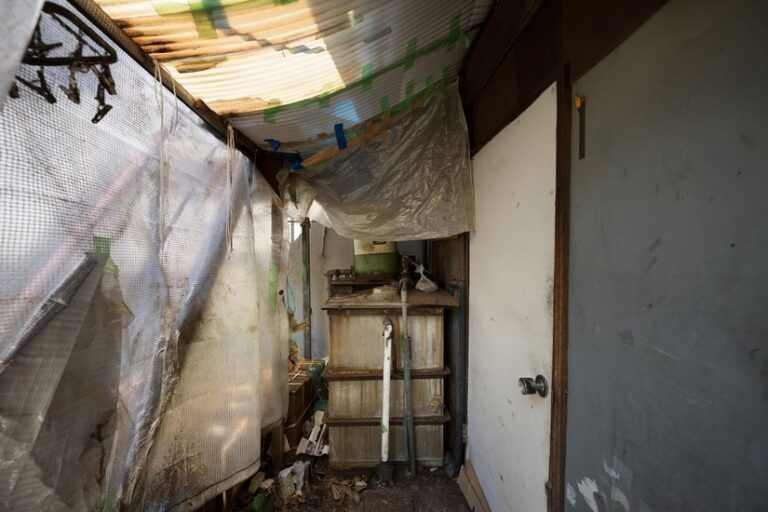
Start with the basics: What’s already there? Are there overhead lines? Underground utilities? Asbestos hidden in that old outbuilding? A surprising number of projects are delayed by things that could’ve been spotted early with a decent walkaround and a few phone calls.
Bring in the right people. A topographical surveyor can help with levels and drainage. An ecologist might be needed if there’s a badger sett or bats in the eaves. Don’t forget utility providers, checking for live services is non-negotiable.
And yes, the paperwork matters. Under the Construction (Design and Management) Regulations 2015, risk assessments aren’t optional. HSE expects a clear trail from planning through to execution. It protects workers, neighbours, and anyone who steps onto the site.
No one likes surprises once the diggers arrive. Do the legwork upfront, and the rest of the process will flow much smoother.
Step 2: Secure The Site And Set Clear Boundaries
Next up: lock it down.
Any site, whether rural, urban, or wedged behind a terrace, needs to be secured before heavy work begins.
That means fencing, signage, and if needed, manned security. Whereas fencing is the standard, hoarding might be necessary for city builds or sensitive locations.
Think about access, too. Where are vehicles coming in? Where are materials being stored? A well-thought-out layout at this stage can prevent a lot of reversing, shouting, and near misses later on.
Welfare facilities are also part of the early site setup. Toilets, handwashing stations, and a dry break area are all part of legal requirements under HSE’s Construction Phase Plan. Skimp here, and it’s not just morale that suffers. Inspectors take this seriously.
Make sure you’ve checked for any planning constraints, listed buildings, conservation area restrictions, or public footpaths nearby. If you’re within a few metres of a highway, you’ll need to liaise with the local council.
A well-secured site isn’t just about theft prevention. It’s about safety, professionalism, and keeping the project legally sound from day one.
Step 3: Disconnect Existing Utilities The Right Way
One of the most overlooked (and dangerous) phases of site clearance? Disconnecting services.
It’s tempting to get cracking with machines once the fences are up, but if there’s still live electricity or a gas feed running through an old shed, the risks are serious. Fatal, even.
Start with a full utility trace. This may include GPR (Ground Penetrating Radar) surveys or liaising directly with DNOs (Distribution Network Operators) and gas providers. Electric, gas, water, telecoms, they all need to be properly isolated by qualified personnel.
Be aware: some disconnections can take weeks to arrange. Particularly electricity. Build that into your timeline from the start. You don’t want your groundworks crew standing around because UK Power Networks haven’t turned up yet.
Label everything clearly. Remove old junction boxes, redundant meters, and loose wiring. Leave no ambiguity.
Also worth mentioning: if you’re planning demolition, the HSE expects proof that all services were safely cut before structures come down. So keep those records tidy. They’re not just for your files, they could be your legal protection.
Step 4: Strip Out Structures, Debris, And Waste, Systematically

Now we’re into the real graft. This is where the diggers fire up, the skips arrive, and the mess starts to vanish.
Demolition or removal should always follow a logical order, typically starting with unstable or hazardous structures first. Old garages, sheds, greenhouses, and even remnants of previous builds all need dealing with methodically.
Use mechanical plant where practical (think 360 excavators with grapples or peckers), but don’t discount the value of manual strip-outs, especially where you’re dealing with confined spaces or older buildings that may have delicate features (or hidden dangers).
Hazardous materials? Flag them fast. Asbestos needs licensed handling, and even things like old fuel tanks or paint stores can be regulated. Don’t chuck these into a skip and hope for the best.
Waste management is a whole operation on its own. Stick to licensed waste carriers. Segregate loads, timber, hardcore, general waste, and metals. Under the Environmental Protection Act 1990, it’s your legal responsibility to dispose of construction waste properly.
In most cases, skips will get the job done. But for larger sites, grab lorries or RoRo bins offer more flexibility and quicker turnaround. Book them in advance and avoid wasting days waiting for collections.
Remember: every load removed is money. Efficient, sorted waste isn’t just tidier, it’s cheaper.
Step 5: Vegetation Clearance, More Than Just Cutting Grass
You’d be surprised how much green waste can hold up a build.
Removing trees, brambles, and overgrown shrubs might seem like a quick job. But if you’ve got mature trees or protected species on-site, things get complicated fast.
Start by checking for Tree Preservation Orders (TPOs). Your local council’s planning department can confirm what’s protected. Removing a tree under TPO without permission? That’s a fine and a delay you don’t want.
Use the right kit. For light brush and grass, flail mowers or brushcutters will do. For trees and stumps, bring in the professionals, chainsaws, stump grinders, and tree surgeons. Safety is critical here.
And don’t forget about wildlife. Active bird nests, badger setts, and bats are all legally protected in the UK. You’ll need an ecologist and possibly a licence before moving forward.
Green waste should be chipped and reused where possible. If not, it needs removing like any other site material, preferably through a green waste recycling service.
Cutting corners in this phase isn’t just unwise, it could put the entire project on pause.
Step 6: Ground Preparation And Levelling
Now the site looks more like a blank canvas, but don’t get ahead of yourself. The ground still needs preparing before any construction begins.
First, strip off the topsoil. This isn’t waste, it’s valuable, nutrient-rich soil that can be reused or sold if clean. Store it in a separate bund on-site if there’s space, or have it carted off responsibly.
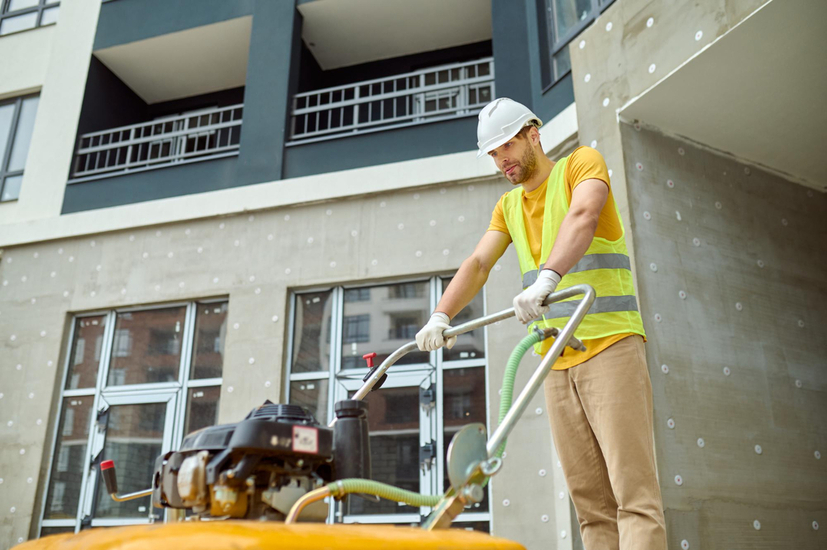
Then comes grading and levelling. The aim here is stability. Machinery like bulldozers or tracked excavators will take care of the bulk work, but laser levels and compactors finish the job properly. Watch out for soft spots or old voids, they’ll need digging out and backfilling with compacted hardcore.
Type 1 MOT is the most common material for forming a stable sub-base. It’s well-draining, compactable, and relatively cheap. Roll it properly. A lazy compaction job leads to sinkage later, and that’s a whole world of regret.
If there’s going to be a delay before the next phase, consider temporary drainage. Simple silt traps or gravel-filled trenches can save a lot of hassle if the heavens open.
Temporary access roads might also be necessary, especially on rural or winter builds. Stone tracks prevent vehicles from churning up the fresh ground and keep the site functional regardless of weather.
Step 7: Final Site Checks And Safety Sign-Off
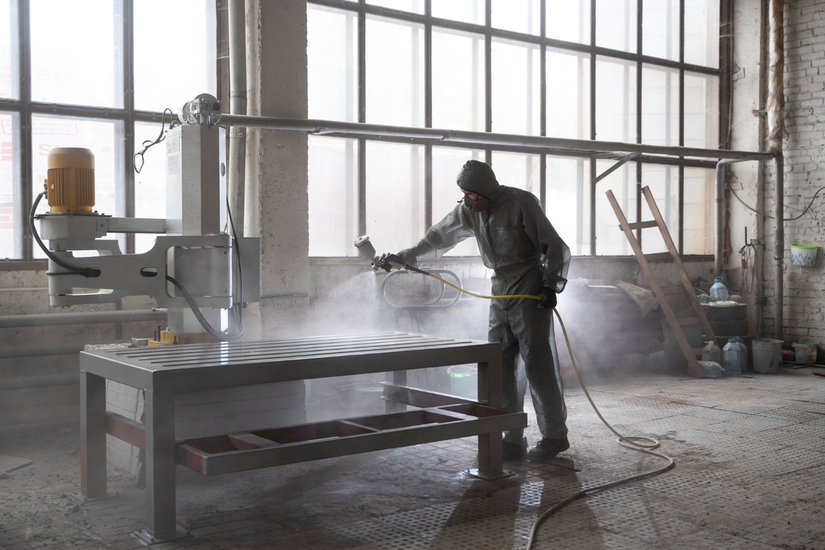
Just before you declare the site ready for construction, take a breath. Do a full walkover.
What you’re looking for:
- Leftover waste
- Unprotected edges or excavations
- Loose fencing
- Exposed cables or service stubs
- Incomplete signage or damaged access points
Update your site drawings and risk assessments to reflect the current condition. Any handover to the main contractor or groundworks crew should be documented clearly, ideally with photos.
If you’re operating under a Principal Contractor role, you’ll need to confirm everything is aligned with the Construction Phase Plan and HSE requirements. That includes keeping a tidy site log and up-to-date emergency contact details.
It’s tempting to rush this stage. Don’t. A clean, safe site from day one sets the tone for every trade that follows.
Smart Practices To Keep Things Efficient
Efficiency isn’t just about working fast, it’s about working clever.
- Book your waste removal in sync with demolition days
- Check weather forecasts before moving topsoil
- Use skilled machine operators, poor drivers slow everything down
- Keep teams briefed with short daily toolbox talks
- Don’t underestimate small kits, skip loaders, and telehandlers save time
- Avoid relying on one skip; rotating bins speeds things up
Good logistics save money. And sanity.
Upskill the Team Before They Step On-Site
Here’s something forward-thinking sites are doing: getting operatives trained before they’re near a digger or demolition zone.
Tradefox is a practical simulation app made for tradespeople, electricians, plumbers, and site operatives. It lets users sharpen their technical skills in a virtual space, completely risk-free. Great for apprentices or even seasoned tradespeople looking to keep sharp.
With clearance work involving everything from machinery to manual handling, training like this reduces incidents and boosts confidence before boots hit the ground.
Bottom Line
Clearing a construction site isn’t just the warm-up act. It’s the groundwork, literally and figuratively, for everything that follows.
Miss a buried cable, ignore protected wildlife, or skip a proper survey, and you’re inviting problems that cost time and money. But get it right, and you’ve set the build-up for a smoother, safer, faster journey.
So plan it, respect the process, and put as much pride into clearing the site as you do building on it. Because in construction, strong starts matter just as much as strong finishes.