
Ever tried budgeting for tile installation and ended up scratching your head at the range of quotes you got? One installer tells you £900, the next says £1,500, for the exact same space. What gives?
Tile installation isn’t just “stick tile to the floor.” It’s a careful process with a web of hidden costs, some obvious, others not so much.
Material price? Sure. But what about subfloor prep, adhesive types, edge trims, or whether your hallway floor is even remotely level? And then there’s the labour. You’re not just paying for someone to lay tile, you’re covering their hourly wages, benefits, indirect labor costs, and the overhead costs of running a trade business.
This guide breaks it all down. We’ll go beyond the surface (pun intended) and into the numbers, what things cost, where money disappears, and how to understand labor cost from a contractor’s point of view. It’s everything you wish your tiler had explained up front.
Tile Material Costs: What You’re Paying For?
Let’s start with the obvious expense: the tile itself. But even here, things aren’t as straightforward as you’d think.
Tile Types & Average Cost per Square Foot
Tiles vary wildly in price, not just by material, but by size, finish, and sourcing:
- Ceramic Tiles – Affordable, beginner-friendly. ~£1–£4 per sq ft.
- Porcelain Tiles – More durable, more water-resistant. ~£2–£7 per sq ft.
- Natural Stone (e.g., slate, travertine) – Gorgeous but pricey. ~£5–£14 per sq ft.
- Mosaic Tiles – Often sold in sheets, look great, tricky to install. ~£4–£10 per sq ft.
- Wood-Effect & Decorative Tiles – Popular for stylish homes. ~£3–£8 per sq ft.
So let’s say your kitchen floor is 150 sq ft. Even with basic porcelain, you’re looking at £300–£500 in tile alone. Want marble? You’re now pushing £1,500 before you’ve even paid someone to touch it.
Why Price Varies Beyond Looks
- Thickness – Thicker tiles often mean more adhesive (and more cost).
- Finish – Glossy tiles, anti-slip surfaces, or patterned faces increase cost.
- Trims & Accents – Edge pieces, corner tiles, and borders all add up.
- Import Costs – That beautiful Italian porcelain? Shipping isn’t free.
If you don’t factor in the true costs of materials, your quote might seem inflated, but it probably isn’t. It’s just comprehensive.
Labour Costs – What Are You Paying the Tiler For?
Labour is usually the largest part of your tile installation cost, and where things get murky. People often ask, “What’s the going rate?” The better question is: What’s included in that rate?
How Tilers Charge (UK Averages):
- Per square foot: £2–£6
- Per day: £150–£250 depending on experience and region
- Project-based quote: Often includes labour, some materials, and clean-up
- Import Costs – That beautiful Italian porcelain? Shipping isn’t free.
Let’s break it down.
Imagine you’re quoted £1,000 to tile a 200 sq ft kitchen floor. That’s £5 per sq ft. Sounds high? Maybe. But that figure isn’t just going into someone’s pocket.
It covers:
- Wages and benefits – Not just the tiler’s time, but any staff, and potentially health insurance or pensions
- Indirect labor costs – Travel, fuel, downtime, and admin hours
- Paid time – Sick days, training, consultations, measurements
- Overhead costs – Tools, van maintenance, certifications, insurance
- Profit margins – Yes, professionals need those too (usually 10–20%)
Once you calculate labour expenses properly, you’ll see that a skilled tradesperson’s hourly rate might be £30–£50, but their actual take-home pay can be closer to £15–£20 per hour once everything else is covered.
Why Labour Varies
- Layout complexity – Diagonal herringbone takes 3x longer than straight-lay
- Tile type – Mosaic and stone take more time (and skill)
- Condition of substrate – Old adhesive? Uneven screed? That’s hours of prep
- Room shape – Open-plan = easy. Cloakroom toilet = a puzzle
Understanding what your installer’s rate includes is crucial to evaluating whether you’re paying fairly or getting shortchanged on quality.
Extra Costs & Hidden Fees You Might Overlook
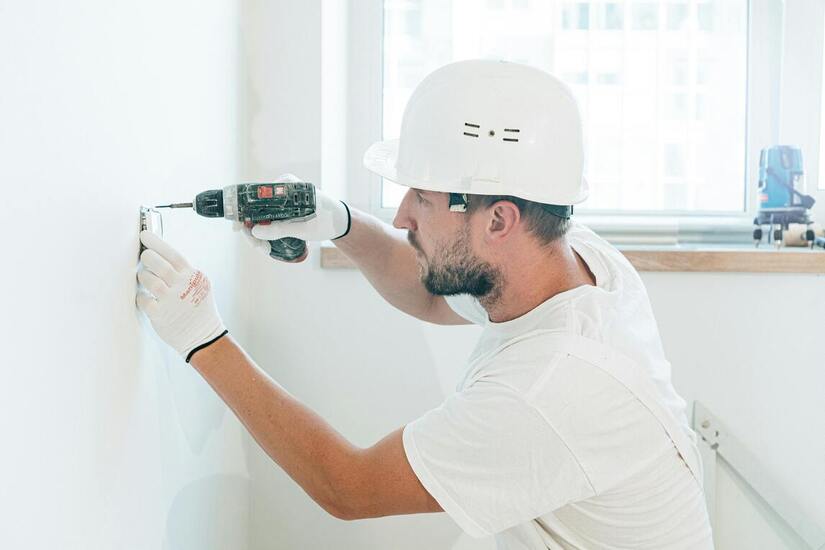
This is the part most people miss. A job that starts at £800 can quietly creep toward £1,400 when extras pop up. Here’s where.
1. Subfloor Preparation
If your floor isn’t level, or worse, it’s timber that moves, you’re looking at:
- Self-levelling compound: £30–£50 per bag (often 2–4 bags needed)
- Plywood overboarding: £15–£30 per sheet
- Waterproof membranes or DITRA mats: £10–£15 per sq ft for wet areas
- Choose fewer decor pieces, but let them have strong presence
- Opt for wall-mounted lighting to free up surface area
2. Adhesive & Grout
These are often not included in labour quotes:
- Standard adhesive: ~£10–£15 per bag
- Flexible adhesive (for timber floors): ~£15–£20
- Grout: ~£10 per bag
- Epoxy grout: Costs more, harder to apply, lasts longer
- Opt for wall-mounted lighting to free up surface area
For a mid-size floor, you’re looking at £100–£200 just for sticking things down.
3. Edge Finishes & Trims
Metal trims for external corners, silicone caulk for expansion joints, and matching grout colours, each add £10–£50.
4. Removal & Disposal
Removing old tile or flooring? Expect:
- Labour charge: £100–£200
- Waste skip hire: £50–£150
- Tip fees or disposal charge: ~£30+
5. Regional Surcharges
Live in Central London? You may face:
- Parking permits, congestion charges, or ULEZ fees
- Plus: higher hourly wage expectations due to the cost of living
Ask your tiler: “Is this quote all-in?” If it’s vague, assume extras will appear.
Case Studies: Real-World Tile Installation Cost Examples
Let’s put the numbers into action. Here are three real scenarios with estimated total labour cost, materials, and extras.
Small Bathroom Floor – 5m² (~54 sq ft)
- Ceramic tiles: £80
- Adhesive & grout: £60
- Labour (1 day): £200
- Subfloor levelling: £80
- Total: ~£420
Mid-Size Kitchen Floor – 14m² (~150 sq ft)
- Porcelain tiles: £350
- Adhesive & grout: £100
- Labour (2.5 days): £500
- Plywood base + trims: £120
- Old tile removal & disposal: £180
- Total: ~£1,250
Mosaic Feature Wall – 6m² (~65 sq ft)
- Mosaic tile sheets: £300
- Labour (precision install, 2 days): £400
- Epoxy grout & trims: £120
- Total: ~£820
Each project varies. The key? Understand what’s inflating the price, labour hours worked, layout complexity, or the materials chosen.
What Pushes Costs Up or Down?
Things That Lower the Bill:
- Simple layouts (square tiles, straight set)
- Clean, flat substrate
- Large-format tiles (fewer grout lines = faster work)
- No tile removal needed
- Doing the prep work yourself
Things That Inflate the Cost:
- Natural stone or mosaic
- Complex patterns (chevrons, borders, mix-sizes)
- Sloped or uneven surfaces
- Small bathrooms with lots of cuts
- Premium adhesives, waterproof membranes
Remember, paying £500 more for a pro job that lasts 20 years is better than redoing it in two. Don’t just chase the lowest quote, look at the bottom line, which includes long-term durability.
Smart Tips To Get A Fair Quote
Here’s how to avoid tiling nightmares:
- Get itemised quotes – Ensure materials, labour, prep, and extras are broken down.
- Ask about exclusions – Especially adhesive, grout, disposal, and prep.
- Understand how they calculate labor cost – Are they charging per m², per day, or full project?
- Check previous work – Look for consistency and edge finishing.
- Clarify timelines – Especially for bathrooms, no one wants a week with no toilet.
Bonus tip? Practise your hand with Tradefox, a brilliant simulation app where tradespeople can test and hone their skills before ever touching a client’s project. Electricians, plumbers, tilers, it’s like muscle memory for your trade.
DIY Vs Pro: Know When To Pay Up
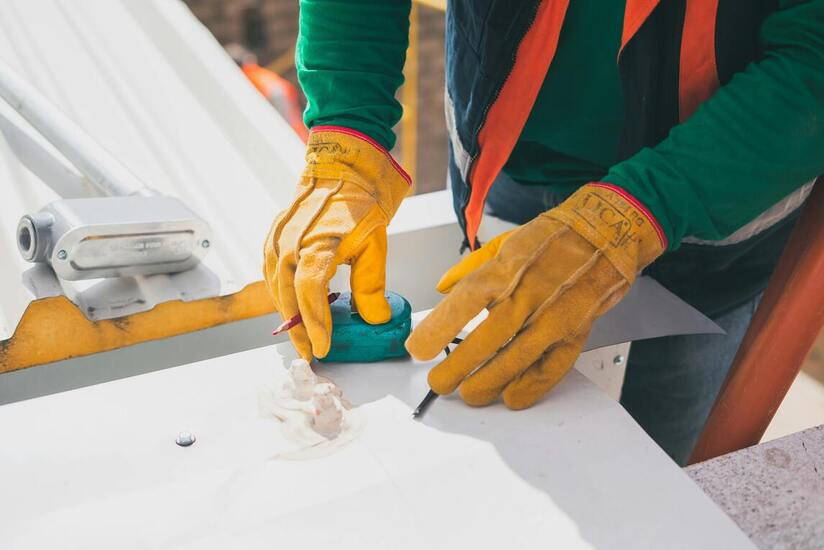
There’s always the temptation to save money with a DIY job. And in some cases, fair enough.
Go DIY If:
- It’s a splashback or a small area
- You’ve practised on spare boards
- You’re using large tiles on a simple layout
- You have the patience (and time) to learn
Call A Pro If:
- You’re tiling a wet room
- Subfloor needs levelling
- You’re using expensive materials (marble, mosaic)
- Layout involves pipes, angles, or underfloor heating
The biggest mistake DIYers make? Underestimating prep. A single high spot or poor adhesive mix can ruin the entire finish.
Paying for expertise is sometimes the most cost-effective option.
Final Thoughts
Tile installation isn’t just about cost per square foot. It’s about long-term value, avoiding hidden labor expenses, and getting a finish you’re proud of.
Think of it this way: you’re not just paying for tile, you’re investing in every detail, from substrate prep to grout lines.
Understand the true costs, ask the right questions, and choose tradespeople based on trust, not just price.
Good tiling lasts decades. Bad tiling? You’ll notice every step.