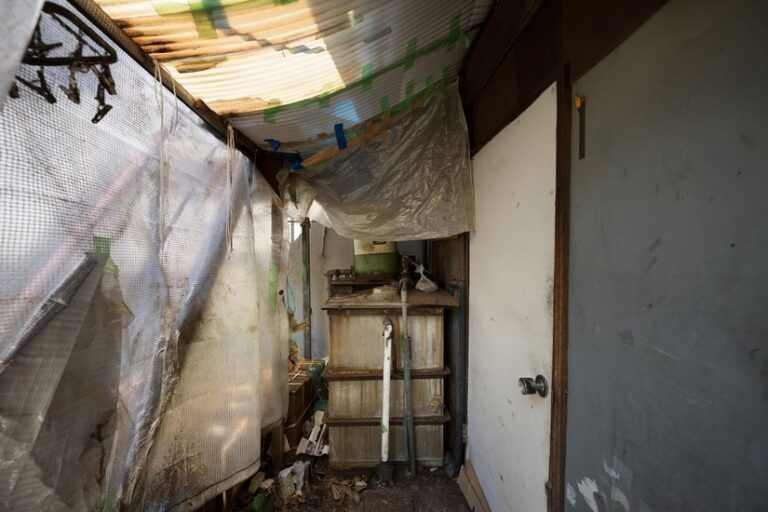


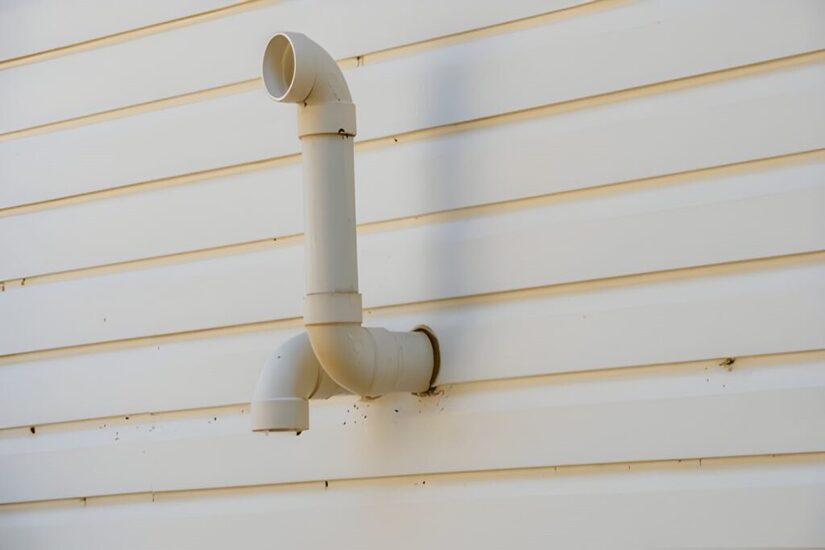
When you take a good look at the outside of a UK property, you’ll often spot a humble flue terminal jutting out through the wall or roof. That unassuming little vent is what keeps your boiler breathing easily & safely.
But the seemingly tidy spacing and positioning of that flue is way more than just a matter of aesthetics.
It’s got safety written all over it, & the difference between a sensible installation and one that’s going to trip up an inspection
Incorrect flue clearances are up there with the most common mistakes that Gas Safe inspectors come across during their checks.
It’s not usually because gas engineers are forgetting to follow the rules, but because the guidelines can be so mind-bogglingly complex, a sea of numbers & diagrams scattered all over standards like BS 5440-1: 2023 & Building Regs Part J
This article helps untangle the whole lot, what clearances actually matter, how to eyeball them & spot any issues, and what types of mistakes trigger the most flags from inspectors.
What Flue Terminals Actually Do?
The flue terminal is the spot where a boiler’s flue system finally lets go of all the combustion gases. The great outdoors is a lot safer than letting them swirl back inside your house.
Every single gas appliance that burns fuel produces some nasty exhaust gases, and we need to make sure those get dispersed without sneaking back in.
A good position for the terminal to be in, and this is a big one:
- Getting all the combustion gunk out in one go. That’s what efficient discharge is all about
- Making sure there’s enough air in there for the burn. That’s proper air supply in a balanced flue system.
- No way the exhaust gases are going to sneak back in. We call that recirculation, and that’s a no-no
- Keeping it safe for people and all the things that go wrong. That’s a safe distance from windows, air bricks, the boundary, and all other flammable things
If you put the flue terminal too close to a window or an air brick, or even just right up against the boundary, you risk letting gas fumes back in, and that’s a big no-no under the Gas Safe rules.
Carbon monoxide exposure is serious business, you don’t want to be messing around with that. Take care with your terminal position.
UK Regulations That Set The Rules
In the UK, the main regulations governing flue terminal placement are:
- BS 5440-1 : 2023 is the current British Standard outlining flue system design and terminal positions.
- Building Regulations Part J covers combustion appliances and fuel storage systems.
- Gas Safe Technical Bulletins provide practical interpretations and updates based on real-world findings.
Together, they dictate how far a flue terminal must be from doors, windows, soil pipes, roofs, and even ground level.
Flue Terminal Clearance Table
| Location | Minimum Clearance | Notes |
|---|---|---|
| Directly below an openable window or air vent | 300 mm | To prevent the recirculation of flue gases |
| Horizontally from an openable window (1–3 yrs) | 300 mm | Applies to both sides of the opening |
| Below the eaves or balcony | 200 mm | Ensure flue gases don’t collect |
| From the vertical drain or soil pipe | 150 mm | Avoid heat or condensate impact |
| Above ground, balcony, or flat roof level | 300 mm | Prevent obstruction or splashback |
| From the boundary line | 600 mm | Maintain dispersal into free air |
| From another terminal (same wall) | 300 mm | Avoid cross-contamination of gases |
| Facing another terminal (opposite wall) | 1200 mm | Maintain proper separation |
| From an internal/external corner | 300 mm | Reduce the risk of trapped exhaust gases |
Note: Condensing boilers often require slightly greater clearance below openings due to visible pluming.
Why So Many Installations Still Fail?
Even installers with years of experience under their belt still manage to get caught out on the finer points. Common no-go’s end up being pretty straightforward:
1 – Window Proximity
Where flues are crammed in just below a kitchen window, we usually find that the measurements come out way short, 200–250mm instead of the required 300mm. Not exactly a pass.
2 – Conservatories, Loft Conversions & Forgetting About The Extensions
You’d think a job would be complete when it’s done.
But homeowners can make all sorts of changes down the line, adding a conservatory, a loft conversion, or even just a new vent above the flue, and before you know it, what was compliant becomes non-compliant.
Orienting A flue right
The terminal of a flue has to discharge out into open air, not chucked down a narrow alley or into some enclosed courtyard where the exhaust fumes just get stuck.
Condensate Problems
And, of course, there’s the problem of condensate damage.
If a flue is set at the wrong angle, you can end up with condensate splashing against the walls or nearby structures, and before long, you’ve got staining or corrosion to show for it.
And usually it’s the first sign that there’s a problem that an inspector will pick up on, like if the clearances or gradient are all wrong.
Manufacturer Variations & BS 5440
The thing is, every boiler manufacturer has their own variation on the standard spec. Some say fine, so long as your side clearances are 300mm, others demand 300mm.
Not even bothering to look at the manual is one of the simplest mistakes you can make.
The Role Of Visual Checks (Before And After Installation)
A visual inspection is the first and fastest way to spot flue terminal issues. It’s not about memorising every number, it’s about knowing what looks wrong at a glance.
Before Installation:
- Check potential terminal positions relative to windows, vents, and eaves.
- Note any obstacles like carports, fences, or pipes that might block discharge.
- Confirm boundaries, many installers forget to measure the 600mm distance from the property line.
After Installation:
- Look for any signs of gas re-entry risk : windows too close, plumbing towards openings, or terminals under decking or covers.
- Verify that the terminal shield or guard (if fitted) doesn’t obstruct the exhaust.
- Ensure the flue slope is correct, with a slight upward pitch to drain condensate back to the boiler.
Here’s a quick visual inspection checklist worth keeping on hand:
| Check Item | Pass Criteria |
|---|---|
| Terminal Distance From Openings | ≥ 300mm |
| Distance From Boundaries | ≥ 600mm |
| Flue Discharge Area Unobstructed | Yes |
| Terminal Not Under Balcony/Eaves | ≥ 200mm |
| No Evidence Of Fume Staining | Non Visible |
| Terminal Guard Fitted Correctly | Secure, No Obstruction |
| Condensate Draining Away From Terminal | Confirmed |
Special Situations: Roof, Vertical, And Balcony Terminals
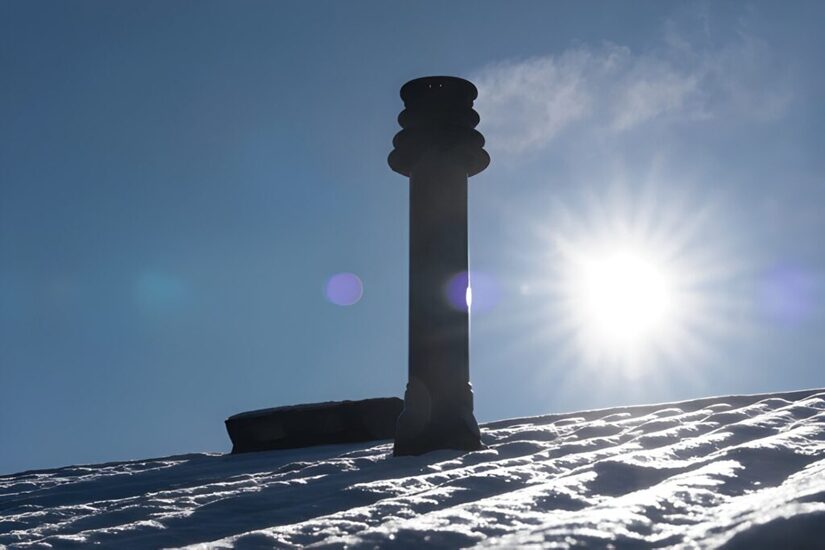
Horizontal wall terminals are most common, but the regulations also cover vertical or roof flues.
- Vertical flues must exit a minimum of 300mm above the roof surface, and at least 600mm from any roof windows or openings.
- Balcony or carport installations are generally not permitted unless they open on at least two sides and the terminal discharges freely to air.
- Terminals under canopies require special consideration, flue gases must not accumulate or reflect downwards.
Condensing boilers with plume management kits may discharge gases at a higher or redirected level, but all standard clearance rules still apply.
Flue Terminal Guards And Markings
Guards aren’t mandatory on every installation, but they’re essential if the flue outlet is within reach, especially under 2.1m above ground.
They prevent accidental contact with hot exhaust and reduce the risk of obstruction from debris, clothing, or vandalism. Always ensure guards are manufacturer-approved, corrosion-resistant, and do not block the terminal airflow.
Labels and markings are also often missed, the terminal should indicate its outlet position clearly, helping identify the appliance during inspection.
How To Stay Compliant: Simple QA Habits
Consistency is what keeps installers out of trouble. A quick QA process helps:
- Double-check measurements before drilling any holes.
- Consult the appliance manual every time, no exceptions.
- Photograph the flue position after installation for your records.
- Add visual clearances to your commissioning checklist.
Many Gas Safe engineers now use digital tools or site apps to log these checks, ensuring you’ve got evidence if an inspection ever raises questions.
TradeFox: Safe Practice Through Simulation
If you want to sharpen your understanding of on-site compliance and installation safety, TradeFox is a brilliant way to do it.
It’s a simulation app designed for tradespeople, from electricians to heating engineers, letting you practise real-world situations and learn from mistakes without any actual hazard.
Final Words
Flue terminal clearances might look like a small detail, but they’re a frontline defence against gas leaks and carbon monoxide hazards.
The numbers matter, but so does the judgment, reading a site, spotting risk, and staying up-to-date with evolving standards.
Whether you’re installing a single boiler or managing dozens of units, a few careful measurements now save you a world of rework later. And that’s the real mark of a professional, not just fitting it, but fitting it right.