
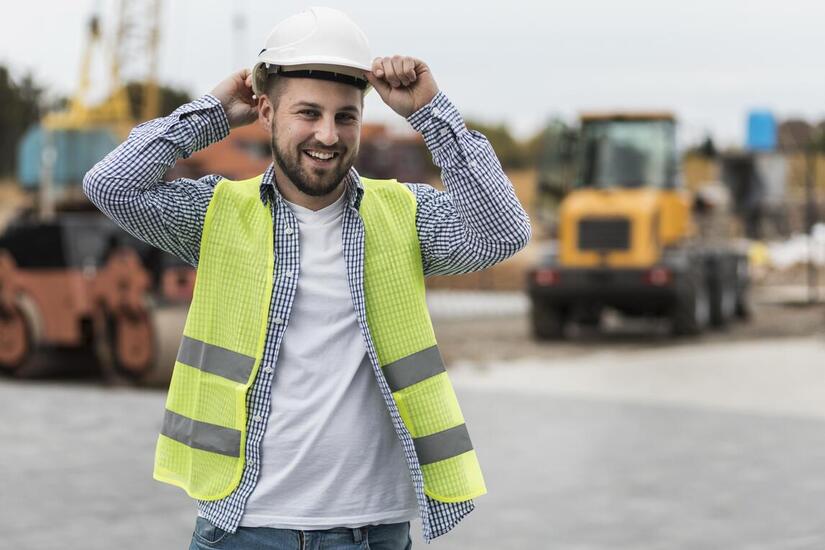
Every scaffold that holds, every trench that doesn’t cave in, and every site operative who walks off their shift unharmed, none of that’s down to luck. It’s the result of a site culture that treats safety not as a chore, but as a foundation stone.
In the UK, construction accounts for a significant portion of workplace injuries and fatalities. It’s a demanding, dynamic industry, often operating at height, under pressure, and surrounded by hazards.
That’s why site safety is more than policy, it’s the difference between going home or going to the hospital.
This guide breaks down what construction site safety truly means. From legal responsibilities to boots-on-ground practices, it’ll walk through the pillars that keep sites running safely and legally. Whether you’re on the tools or signing off the budget, if you’re involved in construction, this matters.
What Does “Construction Site Safety” Actually Mean?
Let’s start with the basics. When we talk about construction site safety, we’re talking about protecting people, workers, visitors, even the public, from harm while building work takes place.
But safety isn’t just about hard hats and high-vis. It’s about proactively recognising hazards and reducing risk.
That covers everything from physical dangers like open edges and moving plants, to long-term health risks like silica dust or vibration exposure.
Now, in the UK, site safety has a firm legal footing. The Health and Safety at Work etc. Act 1974 lays the groundwork. But it’s the Construction (Design and Management) Regulations 2015, or CDM for short, that really define how safety is planned and managed on construction sites.
Still, even the best regulations fall flat without buy-in. Safety only works when it’s taken seriously at every level. It’s a mindset as much as a manual. Not just reacting when someone gets hurt, but building conditions where incidents are prevented in the first place.
Key Legal Duties And Who Holds Them
UK site safety isn’t a free-for-all. The CDM Regulations 2015 spell out clear legal duties, and they don’t just land on the builder’s desk.
Let’s break it down:
- Clients – They kick things off. Whether it’s a housing developer or a private homeowner commissioning major works, the client must make sure the project is set up with safety in mind.
- Principal Designers – If there’s more than one contractor involved, this role ensures safety is baked into the design stage. We're talking access, structural risks, and future maintenance, all considered upfront.
- Principal Contractors – These are the main people running the show on site. They're responsible for managing risks during construction, coordinating trades, and setting the tone for how seriously safety is taken.
- Contractors & Subbies –All have a duty to plan their work safely, provide proper supervision, and ensure their teams are competent.
- Workers – Yes, even the brickie on day one has responsibilities, like wearing PPE properly, following site rules, and reporting unsafe conditions.
And if someone drops the ball? The HSE (Health and Safety Executive) doesn’t mess around. They’ve got the authority to issue improvement notices, stop work, or take prosecutions straight to court.
Risk Assessments: The Backbone Of Site Safety
No one’s expecting builders to become bureaucrats, but without proper risk assessments, site safety becomes guesswork.
A risk assessment is exactly what it sounds like: spotting things that could go wrong, figuring out how likely they are, and working out how to control them. It’s not about eliminating all risk, that’s rarely realistic, but it is about making informed decisions.
Here’s the usual process:
- Identify hazards, tools, materials, tasks, and environmental conditions.
- Evaluate who could be harmed and how.
- Decide on control measures.
- Record findings and share them.
- Review and revise as the job evolves.
On real-world sites, these link directly to method statements (how the task will be safely carried out) and toolbox talks (short briefings that keep safety fresh in everyone’s mind).
The thing is, risk assessments aren’t set-and-forget. They need reviewing when the weather changes, the job shifts, or new trades come on site. Treat them as living documents, not just compliance paperwork.
Essential Site Safety Measures And Practices
You can have the best safety plan on paper, but if boots on site don’t follow through, it means nothing. That’s where practical safety measures come in, the visible systems and routines that keep sites ticking safely.
Let’s run through the essentials:
- Site inductions – Everyone stepping onto the site must go through this. It covers hazards, emergency procedures, welfare locations, and who’s in charge.
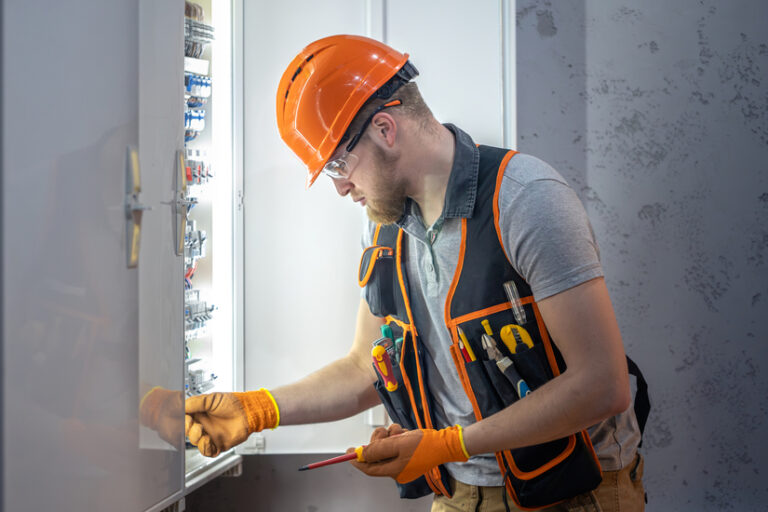
- PPE (Personal Protective Equipment) – Think steel-toe boots, hard hats, gloves, high-vis vests, eye protection. It’s not optional. And it has to be suitable for the task.
- Signage – Simple, clear, and mandatory. Danger notices, exclusion zones, traffic flow, and hearing protection zones, all must be visible and maintained.
- Barriers and edge protection – Especially around excavations, open floors, or scaffolds. Falls remain the number one killer on UK sites.
- Permits to work – For risky jobs like hot works, confined space entry, or electrical work. No permit, no work.
- Welfare facilities – The law says sites must provide clean toilets, washing areas, drinking water, and shelter. You wouldn’t run an office without a loo, construction is no different.
- First aid arrangements – Trained personnel and stocked kits must always be within reach.
Getting these right isn’t glamorous. But it’s the everyday discipline that keeps lives safe and projects on track.
High-Risk Activities That Require Extra Controls
Not all construction tasks carry the same weight when it comes to risk. Some jobs demand a whole other level of planning and control, and rightly so.
Here’s where extra scrutiny kicks in:
- Working at height – Anything from ladders to multi-storey scaffolding. Falls from height are still the biggest killer. Safe access, stable platforms, and edge protection are non-negotiable.
- Lifting operations – Cranes, hoists, and plant movements require lifting plans, qualified operators, and signalers. Under LOLER (Lifting Operations and Lifting Equipment Regulations), it’s the law.
- Demolition work – Dismantling structures isn’t just messy, it’s unpredictable. Debris, hidden asbestos, unstable walls. Planning is critical.
- Excavation and trenching – Collapse is fast and often fatal. Shoring, trench boxes, and clear edge protection are essential.
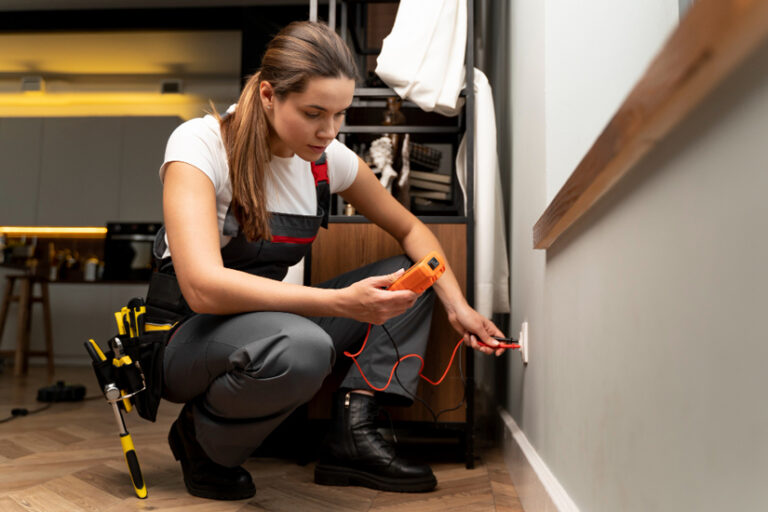
- Electrical work – Needs proper isolation, lock-out/tag-out procedures, and competent sparkies. Never assume power is off.
- Confined spaces – Tanks, manholes, ductwork. Limited air, difficult exits. Requires special access plans, atmospheric testing, and standby rescue crews.
Each of these isn’t just “another job” on the site schedule. They demand training, control, and constant attention. One shortcut can lead to life-altering consequences.
Training, Supervision, And Competence
You can’t enforce safety with signs alone. People need to know what they’re doing, and why it matters.
That’s where competence comes in. In the UK, most operatives will carry a CSCS card proving they’ve met safety standards. Supervisors often complete SSSTS or SMSTS courses. Then there’s task-specific training, like manual handling, asbestos awareness, or working at height.
But certificates only go so far. On-site training, toolbox talks, inductions, shadowing experienced workers, is where knowledge becomes habit.
Supervision is key. Not just top-down barking orders, but genuine guidance. Someone is watching the job, spotting unsafe shortcuts, and stepping in before things go south.
Experienced tradespeople can lead by example. But they also need to be open to feedback. Even the old hands get things wrong now and then.
Technology & Tools Helping Improve Site Safety
It’s not all clipboards and whistles anymore. Site safety is going digital, and fast.
Smartphones and tablets now let supervisors file incident reports instantly. Digital sign-in systems track who’s on site and whether they’ve done the induction. Wearables can monitor fatigue, posture, or even alert managers if someone falls.
And then there’s Tradefox, a training app that simulates real-world trade scenarios.
It’s tailor-made for UK tradespeople, especially electricians, plumbers, and apprentices, to learn safely, before ever setting foot on a live site.
No risk, no injuries, just practical experience delivered in a controlled, realistic way.
Technology won’t replace solid leadership, but it’s making site safety faster, smarter, and more engaging.
What Happens When Safety Is Ignored?
Every site manager’s had a close call. A scaffold collapse that almost was. A trench that shifted just as someone stepped away.
But when safety’s ignored? It’s not “if something goes wrong”, it’s “when.”
In the UK, the consequences are steep:
- Fines and prosecutions, HSE regularly takes companies to court over breaches
- Stop notices, projects can be shut down on the spot
- Director disqualification, personal liability is real
- Injuries and fatalities, life-altering outcomes for workers and families
- Reputation damage, clients and partners will think twice
Look up past HSE prosecution cases. You’ll see real stories. Real people. And many times, the incident was entirely preventable.
It’s never just about money, it’s about responsibility. If someone gets hurt because safety was skipped, no excuse holds up.
Building A Culture Of Safety
Regulations and checklists are vital, but they’re not enough on their own.
What makes a site truly safe is culture. That means:
- Encouraging people to speak up
- Reporting near misses without fear
- Supporting those who take safety seriously
- Leading by example, top to bottom
When safety becomes part of daily site life, not just paperwork, it sticks. And that’s when the real difference happens.
Final Thoughts
It’s easy to see the steel and concrete and think that’s what builds a project. But scratch the surface, and you’ll find safety underneath it all.
Every good job site is built on communication, preparation, and respect for the work and for each other. Safety isn’t just about being compliant; it’s about being human.
When everyone plays their part, workers, managers, clients, projects get done on time, on budget, and with everyone heading home safe.
That’s the kind of result worth building.