

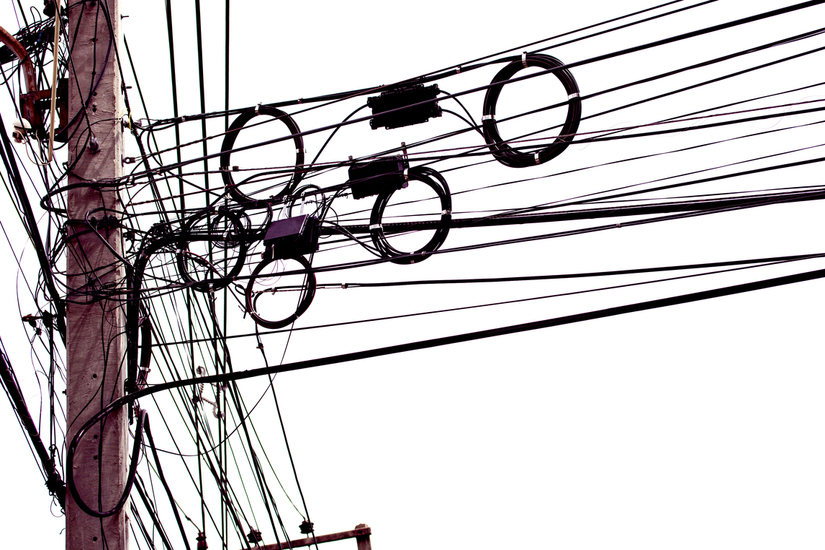
Walk into the loft of an older UK house and you might be greeted by a sight that makes electricians shake their heads: cables twisted, looped, and bundled together like a bad plate of pasta. That’s what most people mean when they talk about spaghetti wiring.
It’s not an official technical term, but anyone who’s seen it knows exactly why the name stuck. Wiring that’s messy, tangled, and often unsafe.
On the surface, it might look like nothing more than poor housekeeping. In reality, it often signals deeper issues, bodged DIY work, outdated installations, or years of piecemeal additions without proper planning.
For homeowners, landlords, and even tenants, spaghetti wiring isn’t something to brush off. It’s messy, it’s dangerous, and it can end up costing far more to fix than to prevent.
Defining Spaghetti Wiring
Spaghetti wiring is an informal description, but the picture it paints is accurate. It refers to a cluster of electrical cables installed without proper organisation, routing, or labelling.
Instead of running neatly along cable trays or clipped in order, the wires are bunched together, looping and crossing over each other with no clear logic.
This type of setup is especially common in older homes that have been modified over decades.
A loft conversion added in the 80s, a kitchen refit in the 90s, a DIY extension more recently, all wired by different people, with no central plan. The result is chaos behind the walls and under the floorboards.
By contrast, professional installations carried out to BS 7671 (the UK’s IET Wiring Regulations) look neat, labelled, and easy to follow. And that difference isn’t just cosmetic, it’s a matter of safety.
How Does Spaghetti Wiring Happen?
Spaghetti wiring rarely appears overnight. It usually builds up slowly, one decision at a time.
DIY electrical work is often at the root. A homeowner might decide to add a socket, run a cable, or extend a lighting circuit without fully understanding load demands or safety standards. It might “work” for now, but the shortcut leaves a trail of confusion.
Property extensions and alterations are another culprit. Many UK homes have been extended piecemeal, with lofts, conservatories, side returns, and kitchen knock-throughs.
Each project introduces new wiring. If different trades handle each stage with different standards, the system becomes a patchwork of methods and eras.
Commercial and rental properties are also prone to spaghetti wiring. Quick fixes are common where landlords or business owners want things “up and running” fast, without budgeting for a full rewire.
And then there’s poor labelling. Even when the wiring itself is safe, failing to update the consumer unit or circuit diagrams leaves the system undocumented. The next electrician faces a maze of unmarked wires, with no way of knowing what belongs where.
In short, spaghetti wiring tends to happen when speed and cost-cutting trump planning and compliance.
Why Spaghetti Wiring Is A Problem?

Some people look at spaghetti wiring and assume it’s just untidy. That’s partly true, it does look messy. But the mess hides real risks.
Safety hazards are the biggest issue. Tangled wires can lead to overheating if circuits are overloaded. In the event of a fault, it becomes almost impossible to quickly identify and isolate the affected circuit. That delay alone can increase the risk of fire or electric shock.
Maintenance headaches come a close second. When an electrician faces a nest of wires, tracing the source of a fault takes far longer.
More time equals more cost. Worse still, hidden junction boxes or poorly spliced connections can go unnoticed until they fail.
Then there’s the legal side. In the UK, BS 7671 and Part P of the Building Regulations demand that electrical work is carried out safely and to a professional standard. Landlords face extra scrutiny through mandatory
Electrical Installation Condition Reports (EICRs) must be carried out every five years. If spaghetti wiring is uncovered and judged unsafe, it can lead to failed reports, costly remedial works, and even invalid insurance claims if accidents occur.
So while it may look like an untidy nuisance, spaghetti wiring is really a red flag for deeper, systemic problems.
Warning Signs Of Spaghetti Wiring In A Property
Spotting spaghetti wiring isn’t always straightforward, it hides behind plasterboard and floorboards. But there are clues:
- Overcrowded consumer units: too many wires crammed into one breaker or terminal.
- Messy junctions: tangled, unlabeled wires visible in lofts, garages, or underfloor spaces.
- Inconsistent labelling: consumer unit markings don’t match the circuits they’re supposed to control.
- Multiple connector blocks: excessive reliance on makeshift joins instead of continuous runs.
- Unusual behaviour: flickering lights, tripping breakers, or unexplained power loss.
- Heat or burning smells: a late-stage warning that wires may already be overheating.
For buyers viewing a property, signs of spaghetti wiring are worth flagging during surveys. For landlords, they’re a reminder to keep wiring up to standard before EICR deadlines.
How Spaghetti Wiring Should Be Fixed
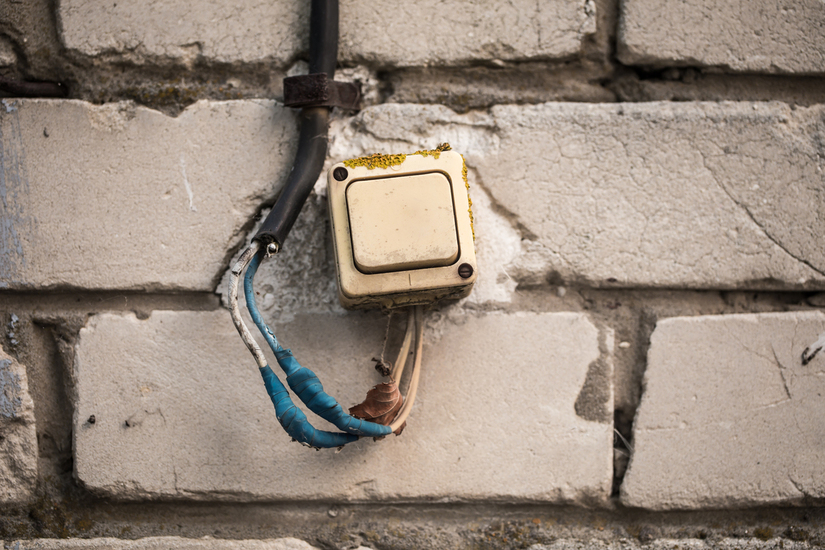
Once spaghetti wiring is identified, the solution depends on severity.
The first step is always a professional inspection. A registered electrician (NICEIC or NAPIT certified) can test, map, and label circuits properly. Testing ensures the wiring is safe, while mapping makes future maintenance far simpler.
For light cases, a partial rewire may suffice. This involves tidying up messy sections, re-routing cables neatly, and updating the consumer unit. Proper cable clips, trunking, and trays restore order and accessibility.
But for older properties, especially those with pre-1970s cabling or decades of ad hoc additions, a full rewire is often the only safe option.
Though disruptive, it ensures compliance with BS 7671, removes hidden faults, and brings everything up to modern safety standards.
Equally important is labelling and documentation. Every circuit should be clearly identified at the consumer unit.
Electricians should provide either an Electrical Installation Certificate (EIC) for new works or an updated EICR confirming the condition of the system.
The key point is that spaghetti wiring isn’t something to “live with”. It’s not a cosmetic flaw, it’s a symptom of disorganisation that can mask dangerous faults.
Preventing Spaghetti Wiring In The First Place
Prevention is always easier and cheaper than a cure.
- Use only registered electricians for new installations and modifications.
- Keep records updated: when a new circuit is added, update the consumer unit and paperwork.
- Avoid DIY jobs unless you’re qualified and competent.
- Plan ahead when renovating or extending, design the electrical layout with the project, not as an afterthought.
- Schedule periodic inspections, particularly for older homes or rental properties.
Good electrical work looks boring in the best way: tidy runs, neat labelling, everything where it should be. Spaghetti wiring, by contrast, is a sure sign that corners were cut.
What To Do If You Suspect Spaghetti Wiring
The rule of thumb is simple: don’t ignore it.
- Don’t attempt a DIY tidy-up. Tangled wires may still be live, and unpicking them without isolating them correctly is dangerous.
- Call a registered electrician. They’ll be able to trace and test safely.
- Book an EICR. Especially important for landlords and anyone buying property.
- Take early action. The longer spaghetti wiring is left, the more likely faults or failures become.
- Ability to read blueprints and follow building codes
Electrical work is one area where “out of sight, out of mind” can be a very costly mistake.
Conclusion
Spaghetti wiring isn’t just an eyesore. It’s a symptom of poor planning, rushed work, and long-term neglect.
And in the UK, where regulations demand safe, traceable, and accessible installations, it’s a problem that can’t be ignored.
Tradespeople wanting to sharpen their practical skills before tackling tricky situations can benefit from tools like tradefoxapps.sitepreview.me, a safe simulation platform for electricians and plumbers alike.
Ultimately, the choice is clear: messy wiring today could mean fire or failure tomorrow. Order, clarity, and compliance aren’t luxuries, they’re the backbone of safe electrics.