


Electrical guides.
From first fix to final test, explained the UK way.
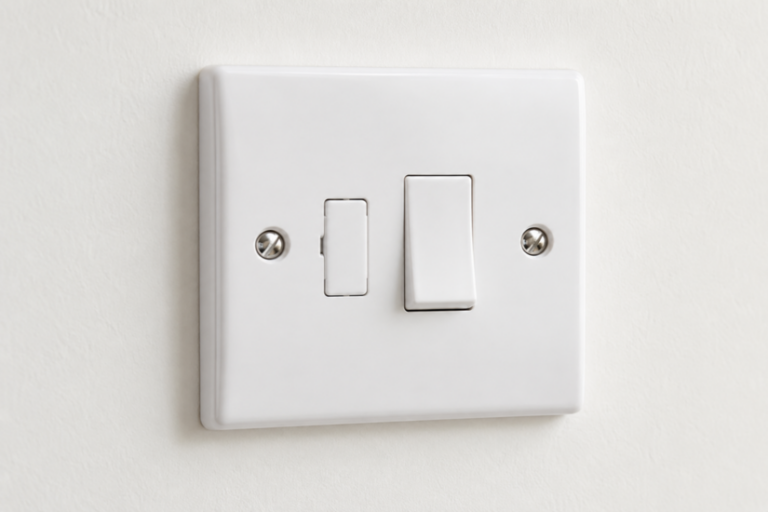 Fused spur (FCU) explainedWhat a fused connection unit does, where it’s used and common wiring mistakes.
 Insulation resistance testingHow the test works, test voltages and what the readings mean.
 Earthing systemsTN-S, TN-C-S and TT explained for UK installations.
Circuits, wiring and accessories
Testing and inspection
Earthing, bonding and PEN faults
Protection and fault finding
Regulations and safe working
Electrical work can kill. These guides explain how things work. They don’t replace training, supervision and proper test equipment.
Learn it hands-on.
60+ simulations covering safe isolation, wiring, installation and testing.
Start the Electrician courseCalculators.
Free electrical calculators with textbook equations and the working shown.
See all 94 electrical calculators ›87 high-voltage calculators ›
Questions.
Do I need an electrician to do electrical work at home?
Not for everything, but in England some domestic work is notifiable under Part P of the Building Regulations, including new circuits, replacing a consumer unit and certain work in bathrooms. Notifiable work must be done by an electrician registered with a competent person scheme, or notified to building control before work starts.
How often do I need an EICR?
Private landlords in England must have an EICR at least every five years. For owner-occupied homes the IET recommends an inspection every ten years, or when you buy a property.
What’s the difference between an RCD and an RCBO?
An RCD trips when it detects current leaking to earth, protecting against electric shock. An RCBO does the same job and also gives overload and short-circuit protection, like an MCB, for a single circuit.
All electrical articles.