


Tiling guides.
From substrate to grout line.
 Porcelain vs ceramic tilesThe differences and where each one works.
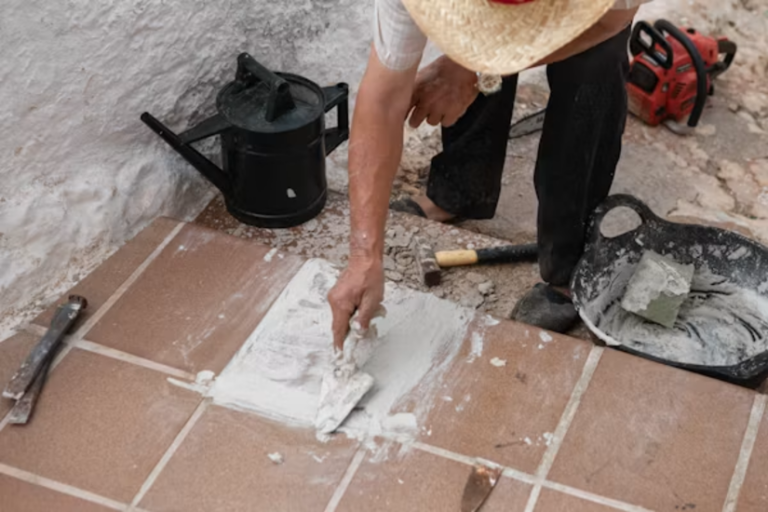 Tile adhesive thicknessBed depth, trowel notch sizes and coverage.
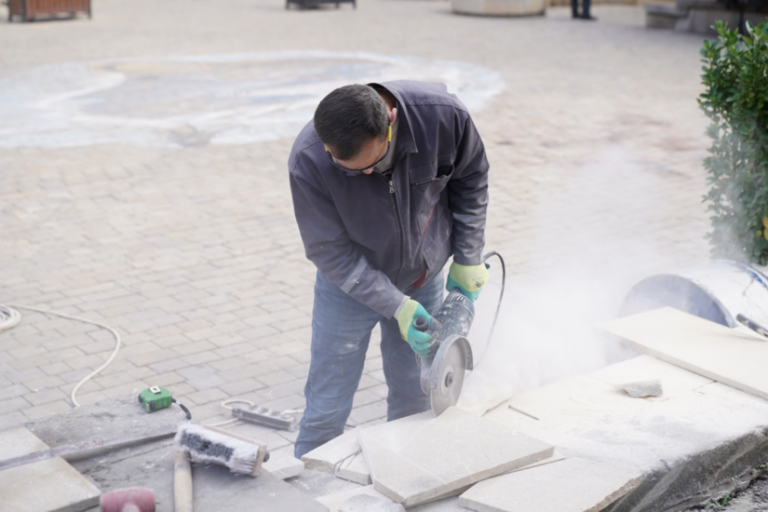 Tile sawsWet saws vs manual cutters and when to use each.
Choosing tiles
Substrates and adhesive
Cutting and drilling
Grouting and finishing
Calculators.
Free tiling calculators with textbook equations and the working shown.
AreasWall tiling area less openings (up to four walls)Open ›Tile quantitiesTiles per square metre including joint widthOpen ›Layout geometryDiagonal (45°) layout: tile diagonal and edge half-tilesOpen ›Adhesive and groutGrout quantity (manufacturer formula, kg/m²)Open ›PreparationSelf-levelling compound quantity and bagsOpen ›FinitionTile trim lengths to buyOpen ›
Questions.
What’s the difference between porcelain and ceramic tiles?
Porcelain is denser and absorbs very little water (0.5% or less), so it’s harder-wearing and suits floors and wet areas. Ceramic is softer and easier to cut, which makes it a good choice for most walls.
What is a rectified tile?
A rectified tile has had its edges ground after firing so every tile is the same size with square edges. That allows very narrow grout joints.
Do I need a levelling system for large tiles?
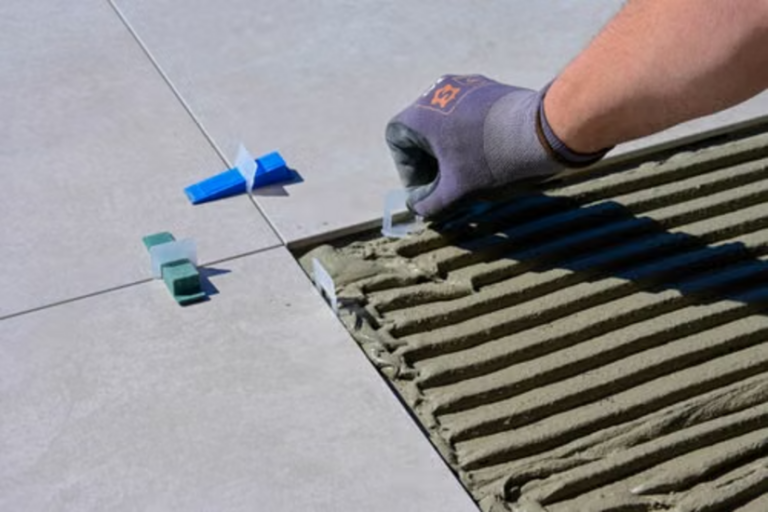
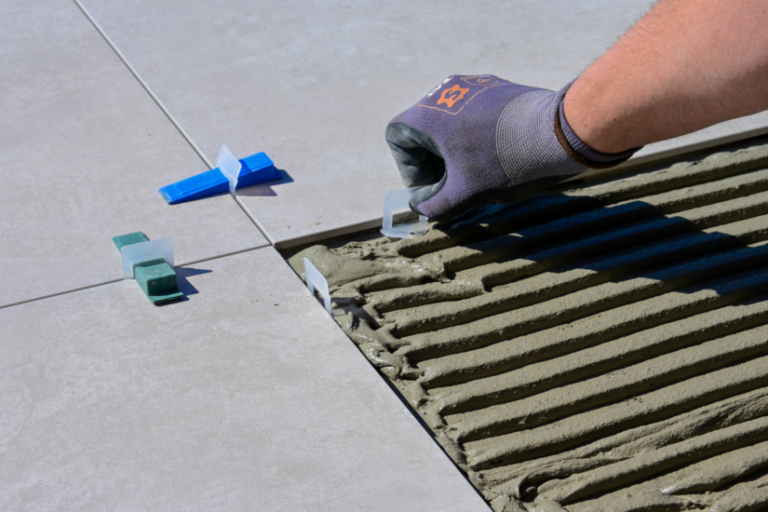
It isn’t compulsory, but large-format tiles are more prone to lippage, where one edge sits proud of the next. Levelling clips and wedges help hold the edges flush while the adhesive sets, on top of a flat substrate and full adhesive coverage.
All tiling articles.